


Latest news
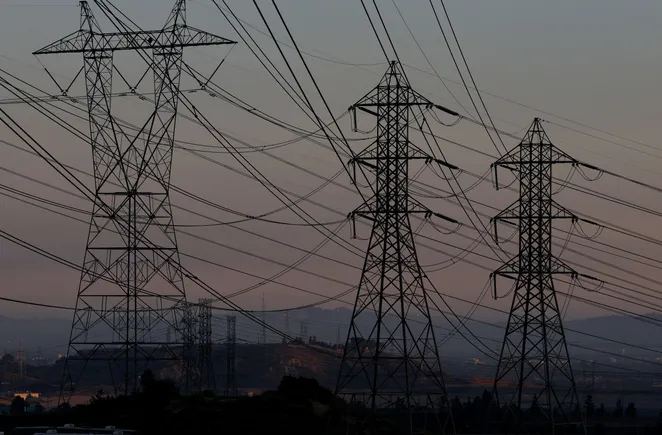
Western grid operators weigh overhaul of stability safeguards as south-to-north flows reshape market
Speakers at the Market Seams workshop hosted by CAISO and SPP on Tuesday highlighted a historic reversal in Western energy flows—now increasingly moving south to north—and called for systemic changes, including a re-evaluation of the WECC-1 Remedial Action Scheme, improved generation forecasts, and enhanced cross-seam data sharing to maintain grid stability.
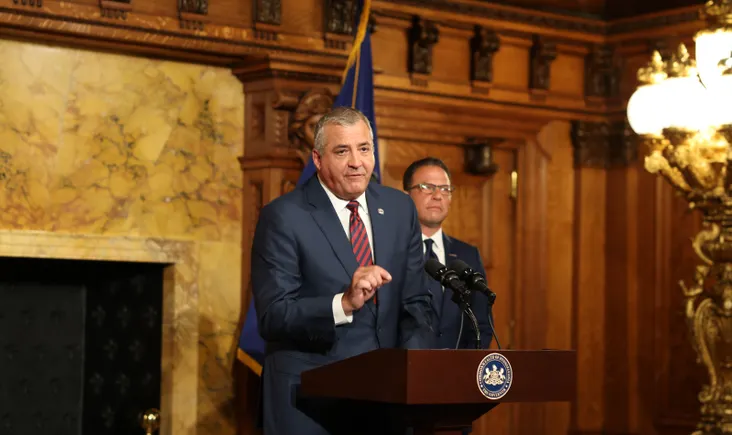
Pennsylvania will fast-track data center permits for projects that source electricity from new, firm clean power and agree to cover all associated costs, under an executive order signed by Governor Josh Shapiro. The move targets speculative developments and could impact existing utility contracts and transmission investment plans.
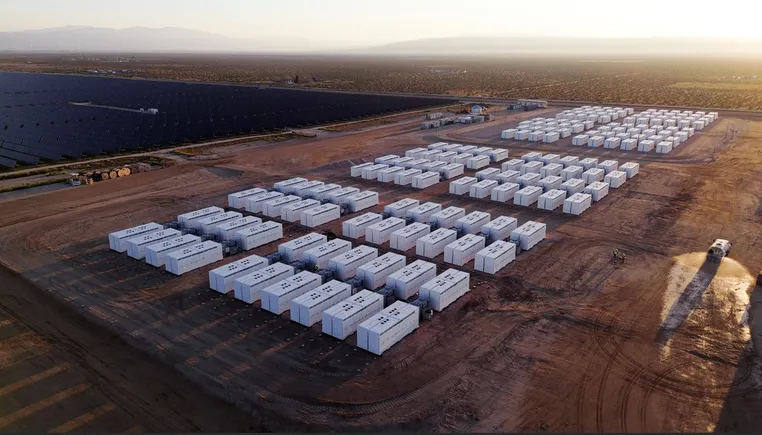
The Northwest Power and Conservation Council released a draft regional power plan on Wednesday, calling for 9 GW of renewables, 2.1 GW of natural gas, and 5.2 GW of energy storage by 2032. The plan, which targets a 50% near-term load increase driven by data centers, estimates $2.3 billion in fixed expenditures and will undergo public hearings before final adoption in late 2026 or early 2027.

Hyundai Motor Group is consolidating its vehicle-to-everything (V2X) services under a new global entity, AllDayEnergy, which will serve as the foundation for future smart-charging and bidirectional-charging technologies across Hyundai, Genesis, and Kia vehicles. The service will debut in Kia's UK app in Q2 2026, with planned expansion to Europe, the U.S., and Korea. AllDayEnergy aims to provide a unified branding and software experience, while facing challenges in the U.S. due to fragmented utility regulations.
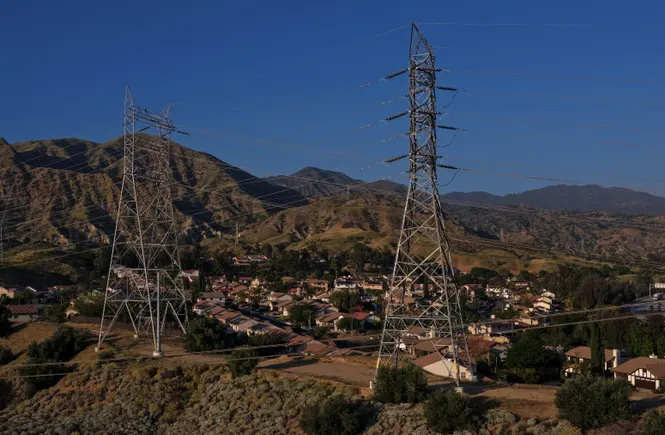
In comments submitted on August 12, CPUC staff questioned the load adjustments made by CAISO on June 11 and August 4 (592.50 MW and 3,590 MW, respectively), stating that the calculation method was unclear. Additionally, California's 'Six Cities' and Powerex also submitted comments on EDAM's benefit allocation and congestion revenue reporting, respectively.
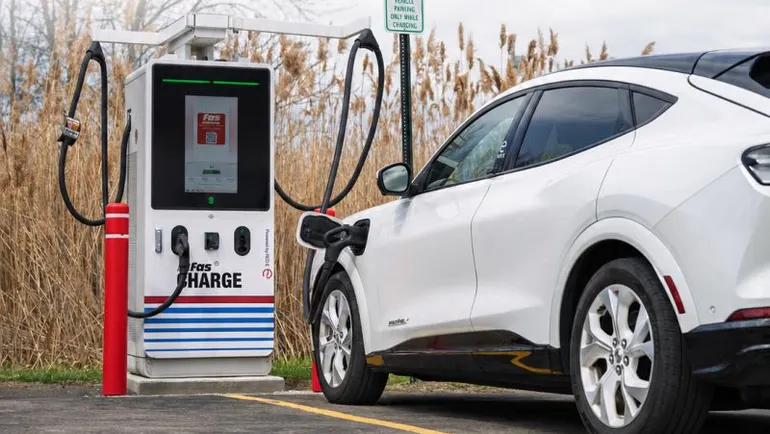
The cost advantages of EV charging are often out of reach for renters, who may face rates up to six times higher than residential electricity prices, creating a 'renter penalty.' Experts from GRID Alternatives and the Smart Electric Power Alliance point out that utilities should extend income-qualified discounts from fixed home meters to public and multi-family charging facilities, achieving portable affordability through customer account discounts, prepaid charging cards, or direct rate reductions. This not only promotes equity in transportation electrification but also improves grid utilization and electricity sales.
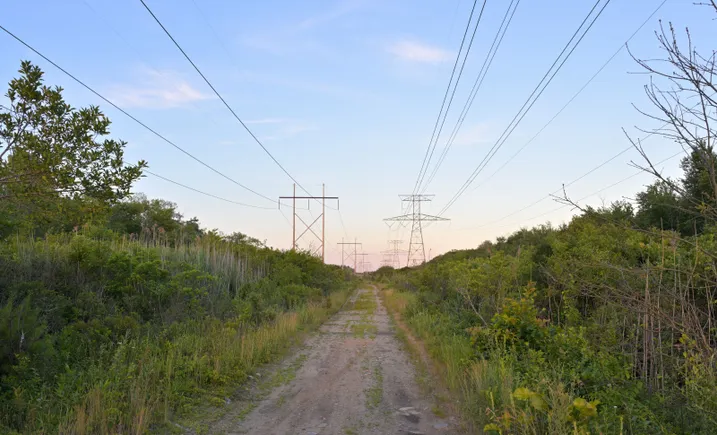
ISO New England has submitted a proposal to FERC to conduct independent reviews of "asset condition" transmission projects starting January 1, 2026, but with only advisory recommendations and no decision-making authority. This move has received unanimous support from stakeholders and is accompanied by legislative and oversight calls from Connecticut Senator Blumenthal.
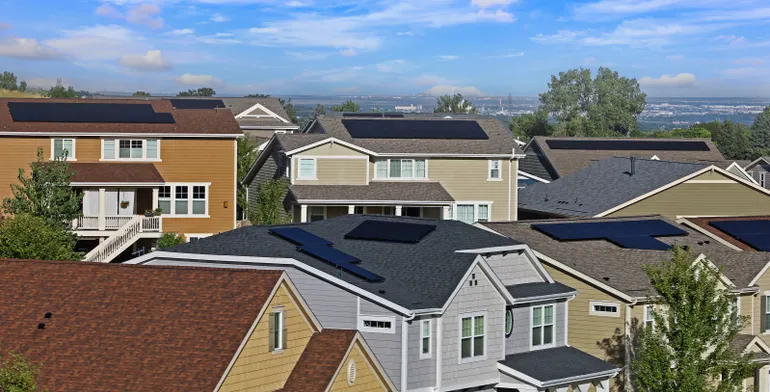
Facing rising electricity prices and surging demand, Colorado has pioneered a Dispatchable Distributed Generation (DDG) program requiring large utilities to procure at least 50 megawatts of community solar paired with storage annually, using competitive procurement to evaluate projects' comprehensive value to the grid. This model, co-designed by multiple stakeholders, aims to accelerate deployment and reduce costs, providing a reference for other states.
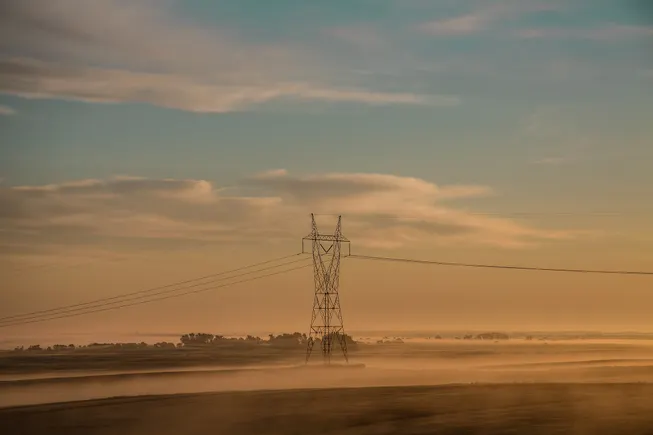
The U.S. Department of Energy (DOE) issued a statement on Wednesday announcing that it will no longer proceed with the designation of three proposed National Interest Electric Transmission Corridors (NIETC) selected for review by the Biden administration in 2024, calling these corridors a 'means' to advance the previous administration's 'Green New Scam agenda.' Energy Secretary Chris Wright stated that transmission policy must serve the American people rather than special interests or climate alarm agendas. The canceled corridors include the Lake Erie-Canada Corridor, the Southwest Grid Connection Corridor, and the Tribal Energy Access Corridor. This move has been praised by organizations such as R-CALF USA but criticized by the Environmental Defense Fund and the Clean Air Task Force.
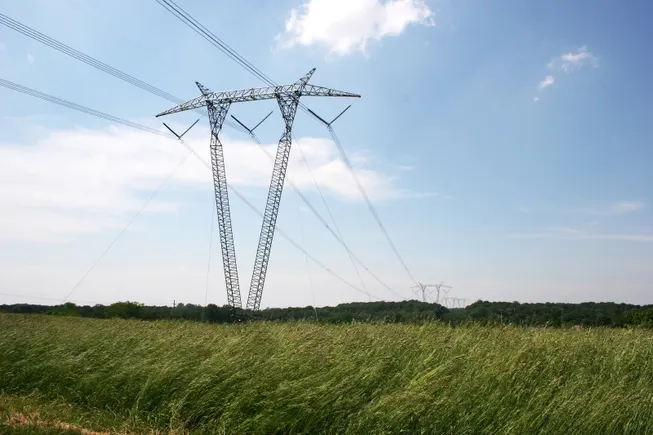
The Federal Energy Regulatory Commission (FERC) on Friday approved a cost allocation framework for transmission projects planned by the Midcontinent Independent System Operator (MISO) but to be built within the PJM Interconnection region. Under the framework, Exelon subsidiary Commonwealth Edison (ComEd) will build a portfolio of projects totaling approximately $904 million, while Duke Ohio will build projects valued at $5.3 million. FERC also rejected calls for competitive bidding on these projects.