


T&D
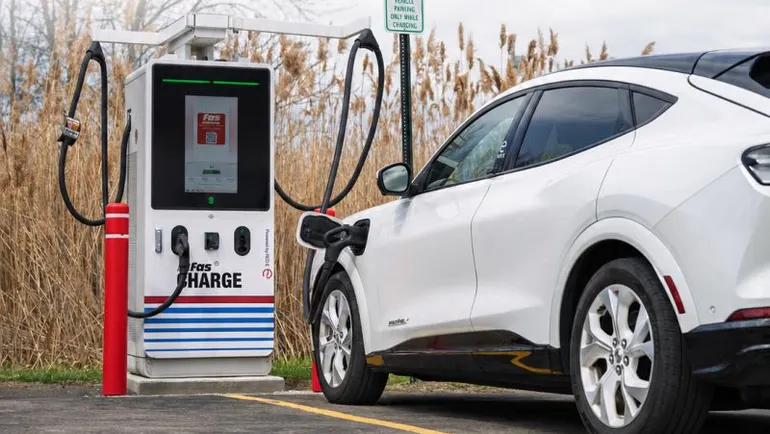
Pacific Gas and Electric Company's (PG&E) "Flex Connect" flexible interconnection pilot program has been running for two years, with participating customers able to access the capacity they need 90% of the time, and operational load impacted less than 1% of the time. The program originated from customer feedback rather than regulatory requirements and is now being formalized in collaboration with the California Public Utilities Commission. The current five active customers and approximately 85 potential customers are mostly electric vehicle charging companies, with program sizes typically ranging from 2 to 5 megawatts.
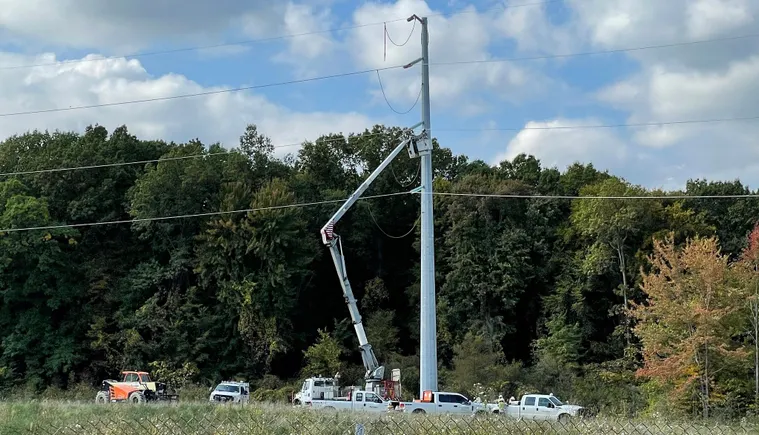
The Ohio Consumers' Counsel (OCC) on Thursday urged FERC to act on its complaint filed in September 2023, which alleges that American Electric Power (AEP), FirstEnergy, AES, and Duke Energy lack regulatory oversight for local transmission projects in Ohio. The OCC stated that while the complaint has been pending, investments in related projects under the PJM regional transmission expansion plan have exceeded $4.3 billion.
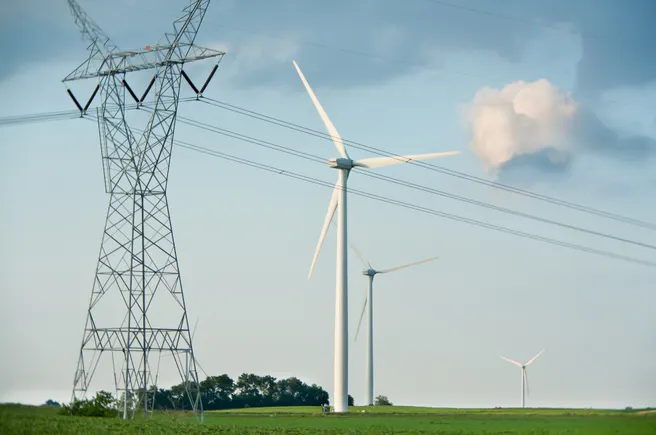
FERC on Wednesday approved SPP's plan to allow market participants and the grid operator to propose topology reconfigurations—opening or closing circuit breakers to reroute power—as a lower-cost alternative to redispatching plants. SPP estimates potential savings of $18M–$44M annually based on a study with NewGrid and Brattle Group. MISO's similar program has saved $95M so far this year. FERC commissioners urged broader adoption of such technologies.
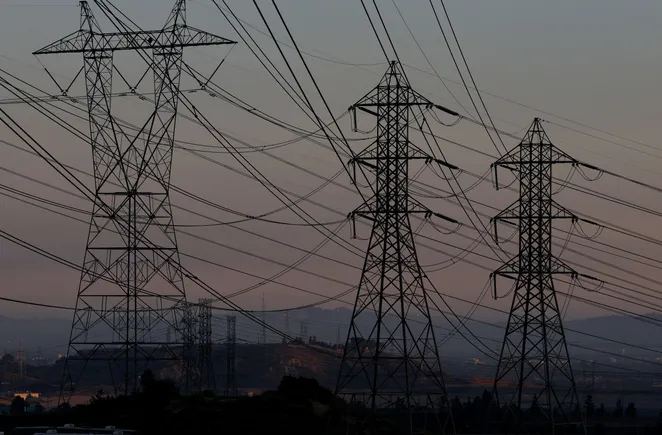
Western grid operators weigh overhaul of stability safeguards as south-to-north flows reshape market
Speakers at the Market Seams workshop hosted by CAISO and SPP on Tuesday highlighted a historic reversal in Western energy flows—now increasingly moving south to north—and called for systemic changes, including a re-evaluation of the WECC-1 Remedial Action Scheme, improved generation forecasts, and enhanced cross-seam data sharing to maintain grid stability.
In comments submitted on August 12, CPUC staff questioned the load adjustments made by CAISO on June 11 and August 4 (592.50 MW and 3,590 MW, respectively), stating that the calculation method was unclear. Additionally, California's 'Six Cities' and Powerex also submitted comments on EDAM's benefit allocation and congestion revenue reporting, respectively.
The U.S. Department of Energy (DOE) issued a statement on Wednesday announcing that it will no longer proceed with the designation of three proposed National Interest Electric Transmission Corridors (NIETC) selected for review by the Biden administration in 2024, calling these corridors a 'means' to advance the previous administration's 'Green New Scam agenda.' Energy Secretary Chris Wright stated that transmission policy must serve the American people rather than special interests or climate alarm agendas. The canceled corridors include the Lake Erie-Canada Corridor, the Southwest Grid Connection Corridor, and the Tribal Energy Access Corridor. This move has been praised by organizations such as R-CALF USA but criticized by the Environmental Defense Fund and the Clean Air Task Force.
As investor-owned utilities plan $1.4 trillion in capital projects over five years, engineering capacity lags. Disconnected CAD, GIS, and BOM systems cause rework and delays. SBS, an Enverus company, offers connected design automation that enforces standards, documents compliance, and delivers 75-80% labor savings, enabling utilities to expand programs without adding headcount.
美国约95%的批发电量交易经由OATI系统完成。该公司已申请联邦资金,推进其PowerNow计划,宣称可在不新建基础设施的前提下,释放10%至20%的输电容量。