


Grid Reliability
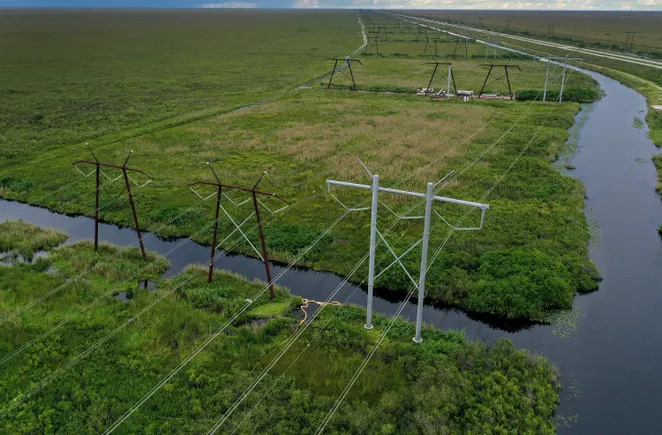
CISA has confirmed that its regional staff will no longer perform six cybersecurity assessment services, including cyber resilience reviews and ransomware readiness assessments. The decision was communicated at an internal meeting on August 25, coinciding with the agency having lost about one-third of its employees since the second Trump administration. CISA states the move aims to reduce redundancy and guide operators toward Cross-Sector Cybersecurity Performance Goals (CPGs), but former officials and industry experts question the effectiveness of the alternatives, fearing an overall increase in national cyber risk.
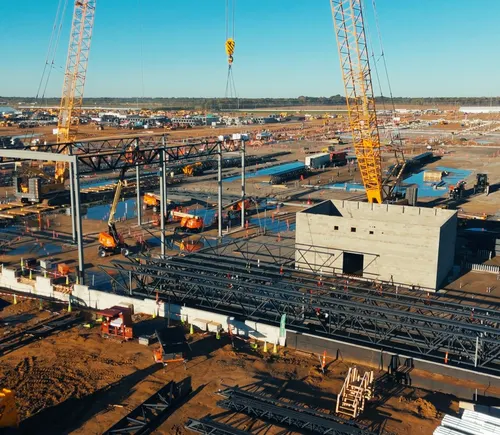
MISO submitted an 'Interconnection Reliability Requirements' framework to FERC on Friday, proposing specifications such as ramping and ride-through for large load interconnection. The proposal responds to FERC's June 'show cause order' and references precedents from ERCOT and PJM. MISO defines large loads as those exceeding 50 megawatts, computing loads as loads with at least 25 megawatts of IT equipment electricity use, and plans to submit additional proposals by November 16.
The US Federal Bureau of Investigation and the Department of Justice announced the seizure of multiple domains linked to the Chinese government-backed hacking group QTFY, which is suspected of conducting espionage against US critical infrastructure and government agencies.
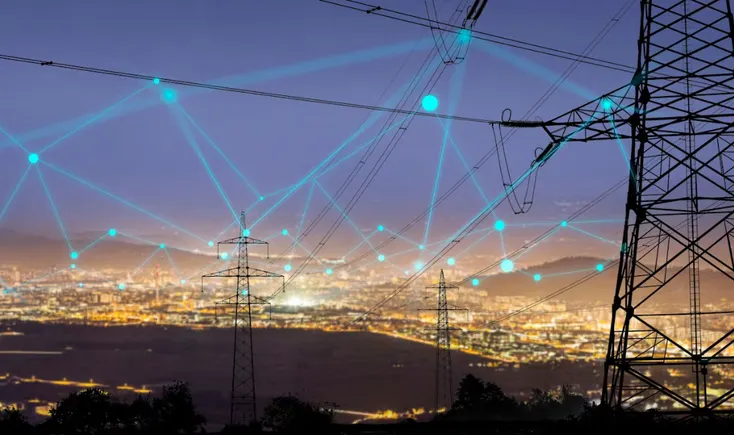
The AI race is increasingly a race for grid capacity. With data centers, electrification, and manufacturing growth driving record load increases, utilities must navigate uncertainty and accelerate planning. This article examines how grid readiness, interconnection timelines, and flexible strategies will shape the next decade of energy infrastructure.

As wildfires rage across North America, utilities face scrutiny over early warning and response. The past decade's grid hardening—vegetation management, covered conductors, undergrounding—has hit economic limits. The next era leverages existing sensors and AI to pinpoint risk, enabling surgical shutoffs, risk-based crew deployment, and smarter undergrounding investments, all while complementing physical infrastructure.

PJM Interconnection stated that, following the disconnection of approximately 3,800 megawatts of data center load in northern Virginia on July 22 due to a 230 kV line fault, it is considering strengthening grid connection reliability requirements for computing loads such as data centers and cryptocurrency mining facilities, including ride-through standards. This event, the largest of its kind in PJM's history, has raised concerns about load sensitivity.
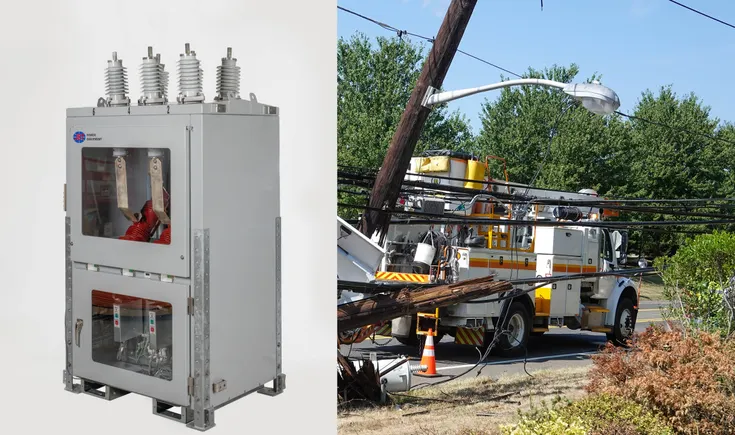
This article explores how power companies address challenges from extreme weather and load growth through proactive resilience strategies, highlighting the roles of condition-based maintenance, system visualization, infrastructure modernization, and distribution automation in improving reliability and reducing restoration time.