


Latest news

With the UPS-Teamsters contract expiring July 31, the threat of an Aug. 1 strike grows. Logistics experts urge shippers to diversify carriers and prepare contingency plans, as negotiations stall over pay and benefits.
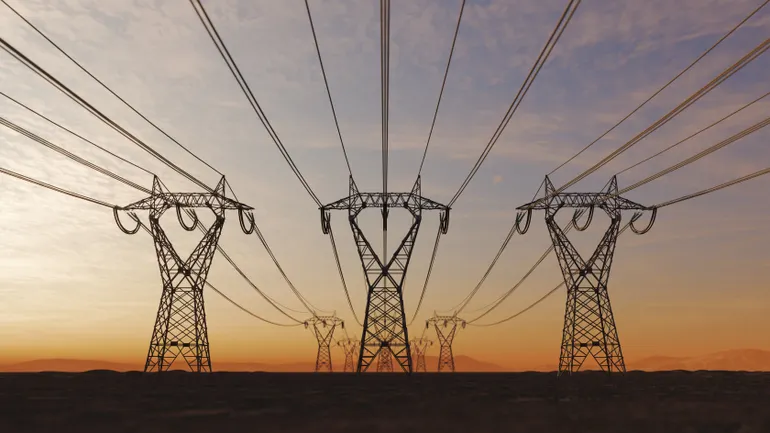
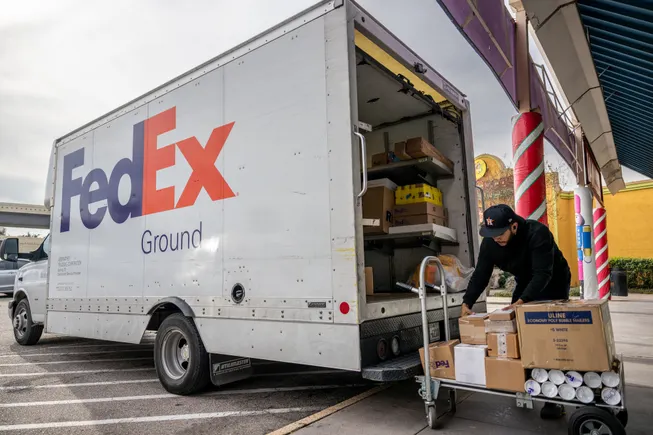
New data from project44 shows average delivery times fell to four days in April, the fastest in years. However, experts warn that cost mitigation, shifting consumer preferences, and the risks of regional fulfillment models could slow further improvements.

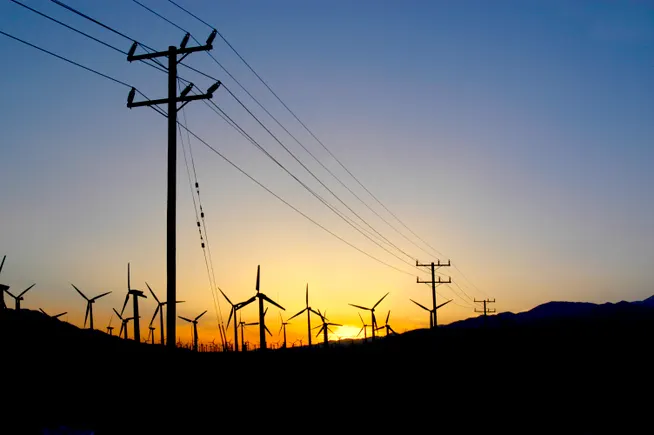
The Southwest Power Pool's (SPP) push for western market expansion has raised concerns in California's energy community about isolation and reliability impacts. The article explores SPP's Markets+ initiative, competition with the CAISO market, potential isolation risks, and the urgency of western RTO governance.

Supply chain planners are increasingly adopting AI and machine learning to refine demand forecasts and inventory management after pandemic and inflation disruptions. However, data quality, historical trends, and budget constraints still pose significant hurdles.
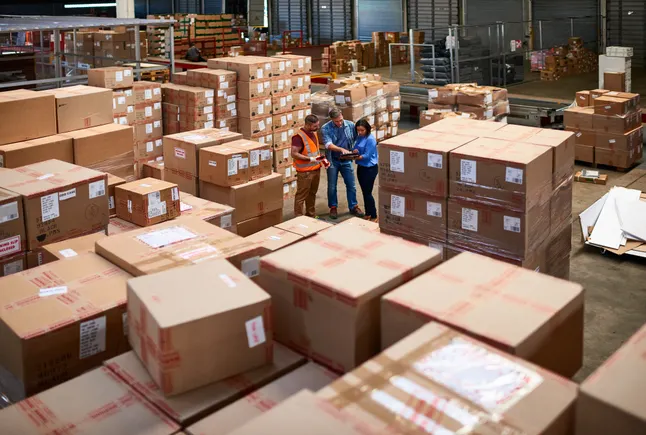
Following the 2020-2021 shortages, retailers spent 2022 battling inventory bloat as inflation curbed demand. While levels have peaked, stock remains elevated. Experts discuss the shift toward leaner inventories, the pain felt by wholesalers, and whether the industry has truly learned to balance scarcity against the risk of lost sales.

Aging family-run apparel factories in California resist digital transformation, facing high costs, regulation, and a shrinking workforce, even as brands push for supply chain innovation.

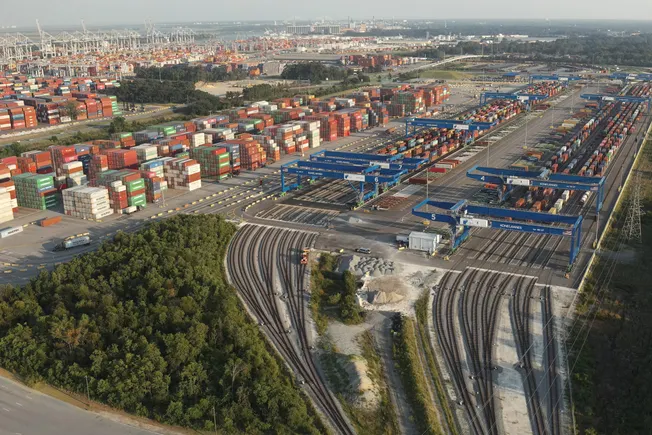
过去几年,为保持货运畅通所做的巨大努力在美国货物流向和港口数据上留下了深刻印记。托运人因疫情寻求供应链可靠性,纷纷调整物流网络,导致货物分流至不同港口。本文基于Supply Chain Dive等数据,通过四张图表展示分流如何影响美国前十大港口、小型港口及市场份额,并探讨未来货流是否回流。