


Latest news

US President Trump signed an executive order on August 26 declaring a national emergency to address potential national security risks posed by foreign-made bulk power system equipment. The order authorizes the Secretary of Energy to develop implementation rules within 120 days and may impose conditions on already installed equipment. Industry groups and manufacturers generally believe that the order's definitions in areas such as software and digital products still require further clarification.
Octopus Energy announced the completion of its investment in Uplight, which will remain independently operated and leverage the investment to accelerate growth, targeting $1 billion in customer savings and doubling flexible capacity to 20 GW within five years. Nick Chaset becomes CEO of Uplight while continuing as CEO of Octopus Energy US. The companies will also introduce Octopus Shift and Octopus PowerStore into Uplight's solution suite.

On August 11, the Nevada Public Utilities Commission approved NV Energy's launch of two performance-based distributed energy credit programs, aligning the state with other pay-for-performance virtual power plant models, but limited participation by third-party resource aggregators has been called a 'missed opportunity to establish a broader market.'
Chartwell, Inc. has announced the launch of the Business Continuity Leadership Council, a new utility-only peer community scheduled to debut in the first quarter of 2027. The council will provide a forum for utility professionals to benchmark practices and develop approaches for sustaining essential functions during disruptions, complementing existing emergency management and resilience efforts.
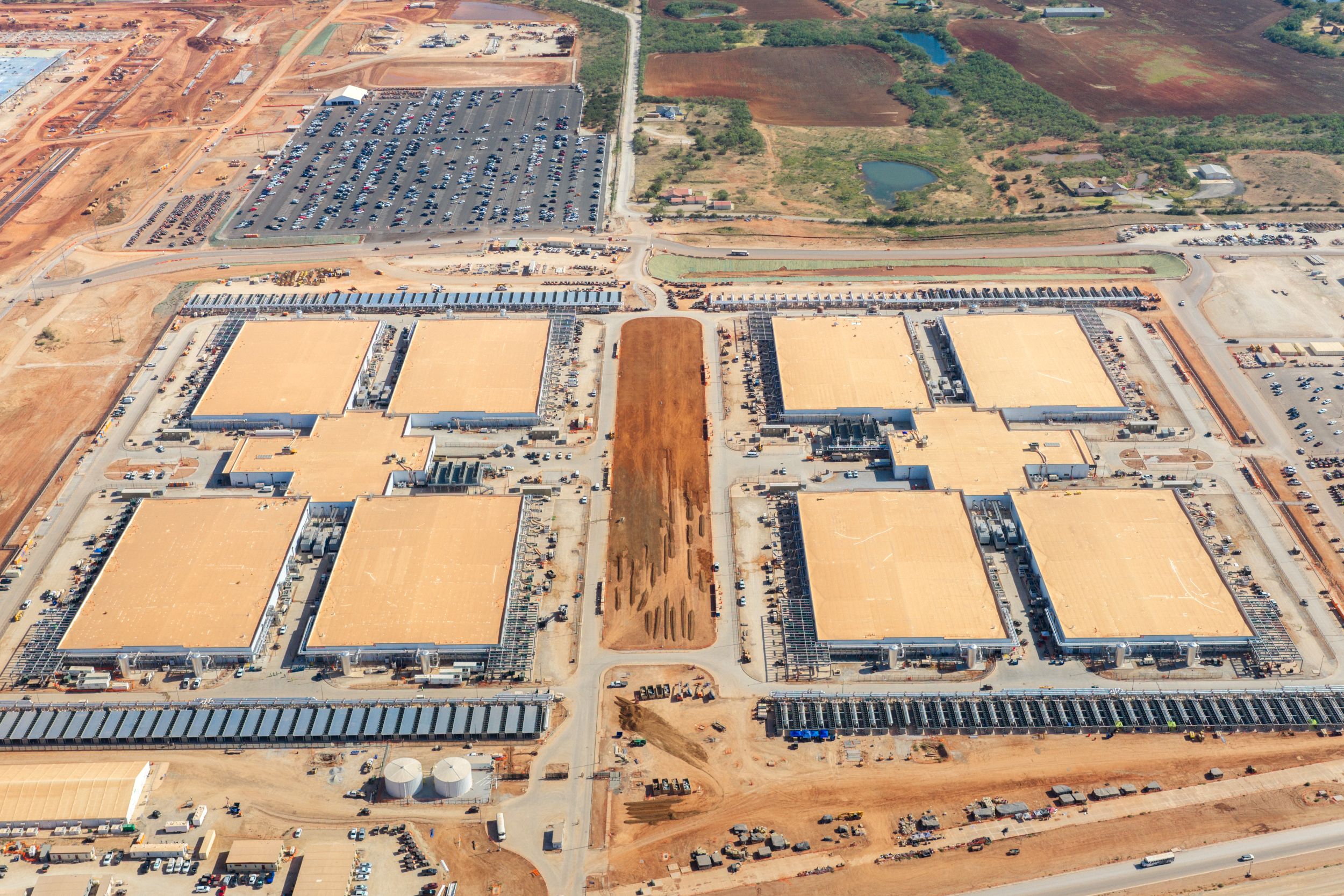
Microsoft and PowerHouse Hillwood Holding have separately disputed data center service agreements in Wisconsin and Illinois, with related filings submitted to the U.S. Federal Energy Regulatory Commission (FERC). Microsoft argues that the agreement filed by American Transmission Company (ATC) is flawed and could shift costs to ordinary users; PowerHouse Hillwood requests FERC to reject ComEd's cancellation notice, alleging it uses monopoly power to obstruct the project.
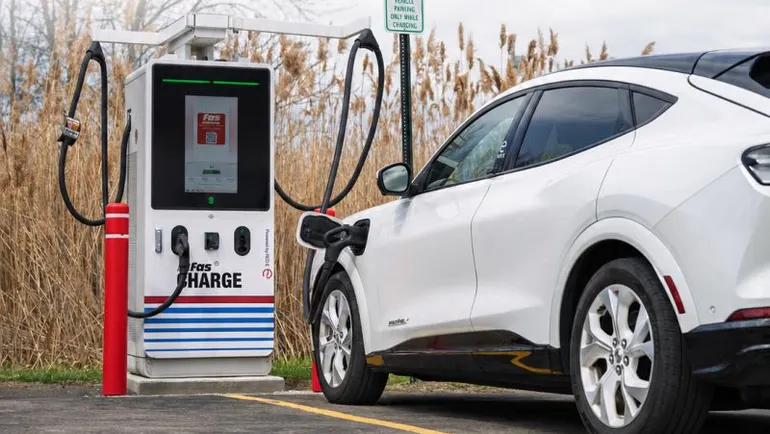
Pacific Gas and Electric Company's (PG&E) "Flex Connect" flexible interconnection pilot program has been running for two years, with participating customers able to access the capacity they need 90% of the time, and operational load impacted less than 1% of the time. The program originated from customer feedback rather than regulatory requirements and is now being formalized in collaboration with the California Public Utilities Commission. The current five active customers and approximately 85 potential customers are mostly electric vehicle charging companies, with program sizes typically ranging from 2 to 5 megawatts.
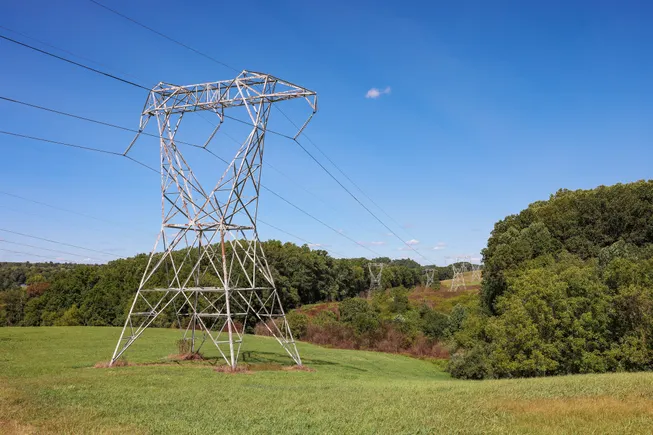
According to a study released Tuesday, a group of 13 "high-value" interregional and intraregional transmission projects in the Eastern Interconnection could generate up to $15.3 billion in net system value by 2050. The study also notes that these projects would lower retail electricity prices, enhance system reliability, and improve resilience to extreme weather events.
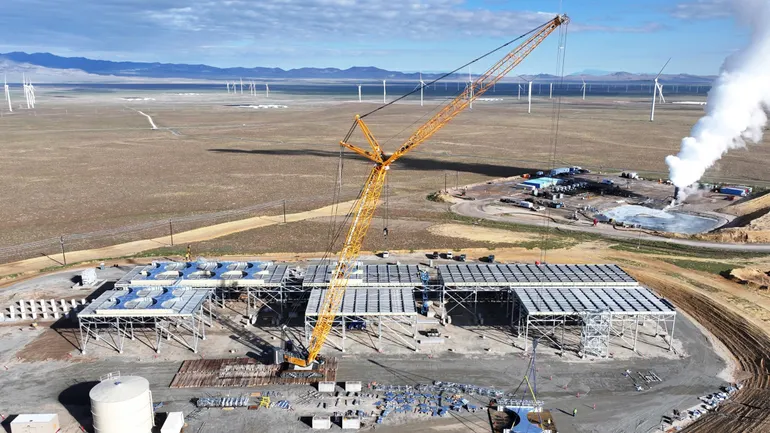
Fervo Energy announced a 396-megawatt geothermal power purchase agreement with Google, the largest geothermal PPA in history, with an option to expand by about 600 megawatts. Analysts point out that the deal underscores the scarcity of baseload power, but Fervo's stock has recently faced pressure, with risks including execution and grid connection.
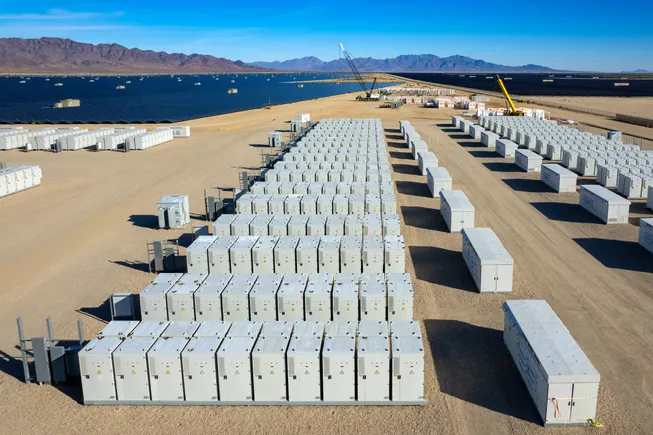
BloombergNEF reported on Friday that the executive order signed by U.S. President Trump last week restricting foreign-made grid equipment may pose more significant near-term risks to the U.S. battery energy storage industry than to other sectors. The executive order, effective from August 26, will affect numerous grid-scale battery projects, and developers may face delays, redesigns, or cancellations.
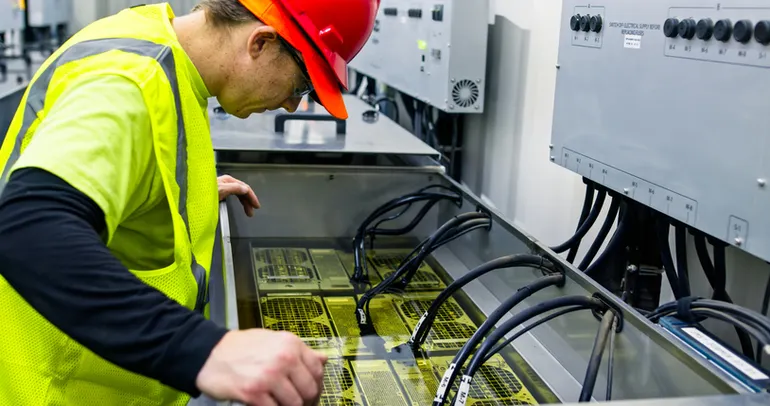
The rapid growth of AI data centers has raised concerns about power grid reliability. This article proposes three progressive principles: do no harm to the grid, provide flexibility under stress, and add resources to the grid. The authors argue that through battery support, flexible load control, and coordinated generation and storage, AI facilities can become good grid citizens and accelerate the commissioning of new infrastructure.