


Latest news
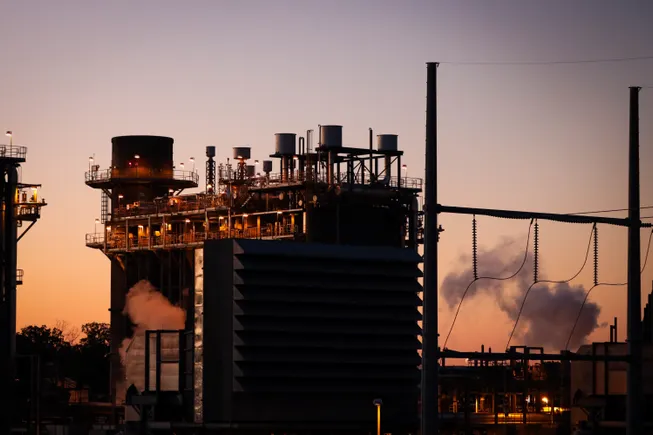
Twenty-five years ago, data center demand drove a boom in U.S. natural gas power plant construction, but after the dot-com bubble burst, demand fell short of expectations, leading to overcapacity. Now, AI electricity demand is again sparking a natural gas investment boom, but analysts point out that U.S. natural gas production, power generation mix, renewable energy development, and the regulatory environment have changed significantly, and investment risks remain.

The U.S. power industry is facing upward pressure on electricity prices driven by growth in data center and industrial loads. Industry experts and stakeholders state that policy incentives for large-load customers and distributed resources to participate in demand response can effectively reduce peak demand, minimize unnecessary grid investments, and thereby control customer costs while ensuring reliability.

Union Pacific and Norfolk Southern say a merger could cut carload transit times by up to two days at east-west gateways like Chicago. But shippers and rail experts, pointing to unmet promises from prior consolidations, remain unconvinced about the service improvements.

The White House reports over $150 billion in tariff revenue this year, but a Supreme Court case could trigger unprecedented refunds. Experts discuss how refunds might work, the challenges ahead, and how importers can prepare.

President Donald Trump's aggressive use of the International Emergency Economic Powers Act (IEEPA) to impose country-specific tariffs faces Supreme Court scrutiny next month. Two federal courts have ruled such actions illegal, prompting appeals. This article explores alternative legal tools—Sections 232, 301, 338, 201, and 122 of various trade acts—that Trump could deploy regardless of the Court's decision, with insights from trade attorneys on their viability and procedural requirements.

As U.S. electricity demand grows and the share of wind and solar power increases, concerns about the reliability of renewable energy are rising, even at the highest levels of the federal government. However, grid planners, operators, and analysts believe that wind, solar, and batteries are important components of the evolving power system, and that intermittent resources can be reliably dispatched through advanced software and other tools. They also note that the levelized cost of electricity for renewables and their competitiveness in automated energy markets are key reasons why the market continues to choose them.
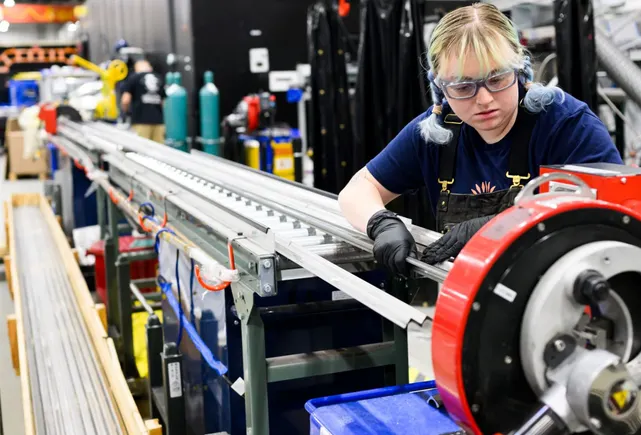

UPS is implementing voluntary buyout programs for full-time drivers and select operations managers to achieve $3.5 billion in expense reductions this year. Experts see risks to service quality and labor relations, while the Teamsters union urges members to reject the offers. The company faces challenges balancing cost cuts with operational reliability.
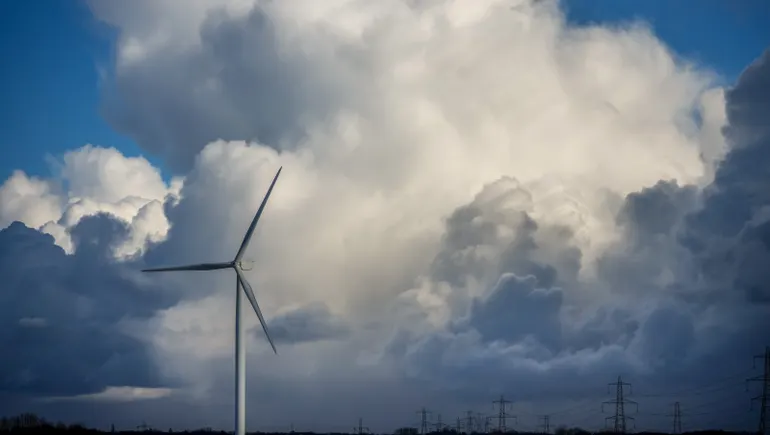
Clean energy developers and tax experts are closely monitoring the upcoming foreign entity of concern (FEOC) guidance from the U.S. Treasury Department to address new compliance challenges brought by the One Big Beautiful Bill. Industry insiders note that FEOC rules are complex and fraught with uncertainties, which may affect project financing, tax credit choices, and the industry landscape.

With the de minimis import exemption ending Aug. 29, e-commerce supply chains face pricing and shipping hurdles during peak season. Experts outline short- and long-term adaptation strategies, from bulk importing to U.S.-based fulfillment.