


Latest news
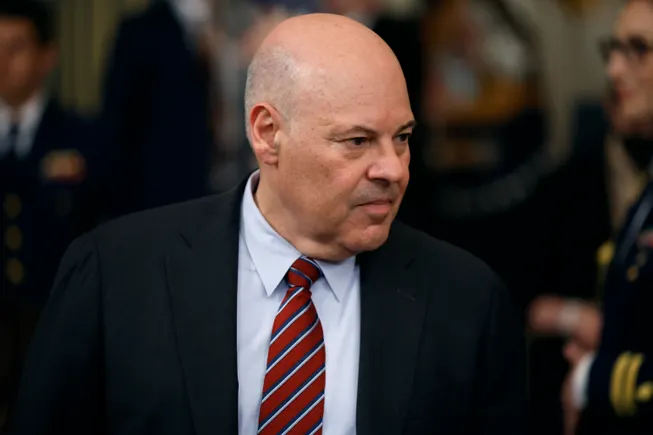
Postmaster General Louis DeJoy is implementing a series of reforms aimed at achieving financial stability and enhancing competitiveness. The reforms include facility consolidation, adjustments to service standards, and strengthening the package business, but experts point out that directly competing with FedEx and UPS still faces numerous challenges.
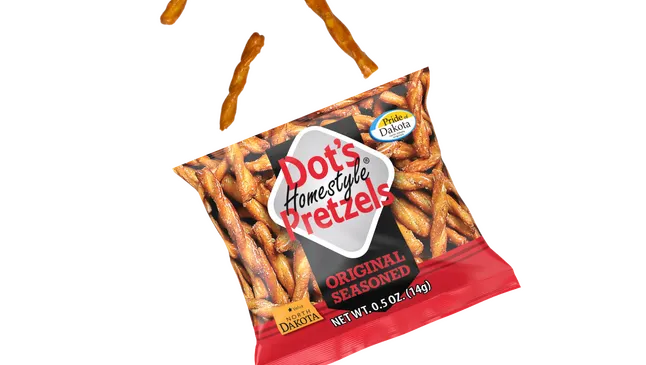
Amid ongoing supply chain turbulence, an increasing number of FMCG companies are choosing to address challenges by acquiring existing plants rather than building new capacity. Cases such as Hershey's acquisition of Dot's Homestyle Pretzels and Hormel's acquisition of Planters show that securing manufacturing capability has become a core consideration in deals. This article analyzes the drivers, risks, and industry trends of capacity acquisition through M&A.
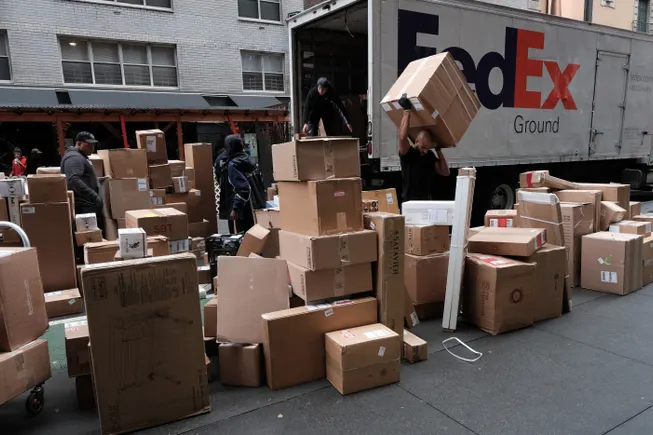
As the surge in package demand brought by the pandemic fades, the long-standing conflict between FedEx Ground and its 6,000 independent contractors erupted in 2022. Contractors represented by Spencer Patton publicly demanded higher compensation, the elimination of Sunday deliveries, and restrictions on temporary changes, with some even threatening work stoppages during peak season. Analysts point out that residential delivery compensation lower than commercial delivery, rising costs, and declining demand are eroding contractor profits, while the legal dispute over franchise rights may become the next focal point.

The greatest difficulty in retail decarbonization lies in Scope 3 emissions, which are indirect emissions across the value chain's upstream and downstream activities, constituting the vast majority of its carbon footprint. Despite data collection challenges and slow industry progress, experts emphasize the need for immediate action and highlight the importance of policy support and supply chain collaboration.
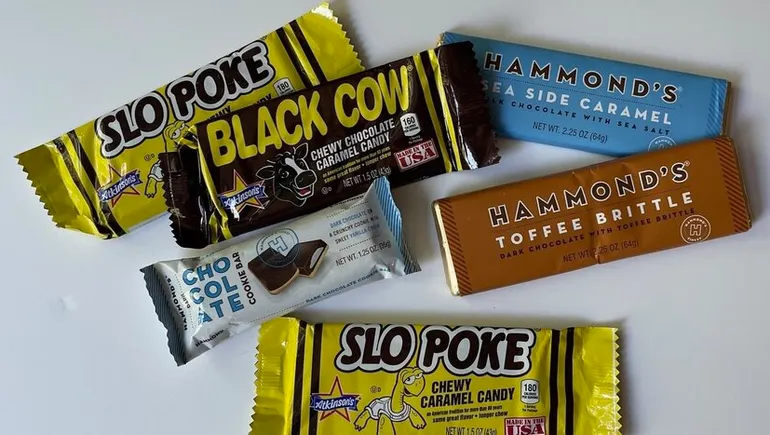
Small and medium-sized candy manufacturers in the United States are facing multiple challenges, including labor shortages, rising logistics costs, and unstable raw material supplies. To cope with these difficulties, many companies have begun adjusting their procurement strategies, recruitment methods, and production plans to sustain operations in a volatile market environment.
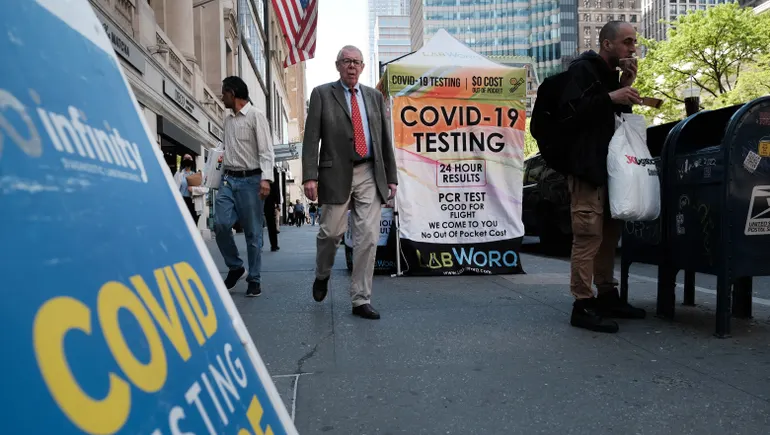
As the U.S. COVID public health emergency nears its end and large-scale testing programs shrink, demand for COVID testing continues to cool. Beyond major brands like Abbott and Becton Dickinson, small and medium-sized testing companies are adjusting their businesses by pivoting to home self-testing, expanding into testing for other diseases, and seeking full FDA approval, in order to survive in a changing market.

Nichelle Gainer originally planned to release her photography book "Lady Day: Body & Soul" on April 7, the birthday of music legend Billie Holiday, but the first batch of pre-ordered books did not arrive until more than two months later. The reason was that the cargo ship "Ever Forward," carrying the book, ran aground in the Chesapeake Bay for a month and subsequently faced congestion at the Port of New York. This incident highlights the common lack of visibility and cascading disruptions in the international supply chain.
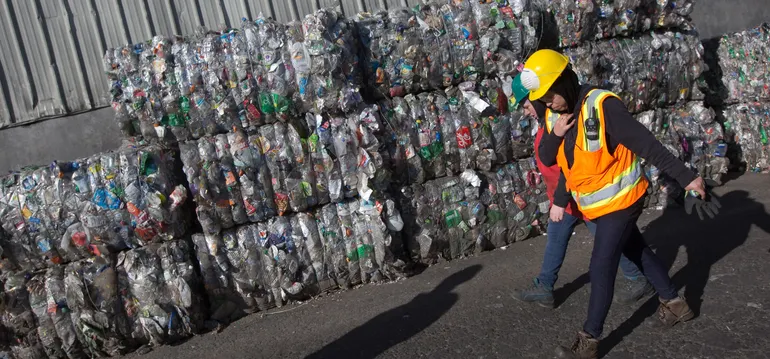
Over the past two years, FMCG companies such as Keurig Dr Pepper, PepsiCo, and Mondelez have successively announced targets to reduce the use of virgin plastics in packaging, with recycled plastics and paper becoming popular alternatives. However, the pandemic disrupting consumer behavior and material supply chains, limitations in the existing U.S. recycling system, and new variables such as the war in Ukraine collectively threaten these timelines. Experts from institutions such as IHS Markit and RaboResearch point out that the commitments were made without a foundation of means for achievement, and price and supply fluctuations make the short-term path to meeting targets unclear.