


Latest news
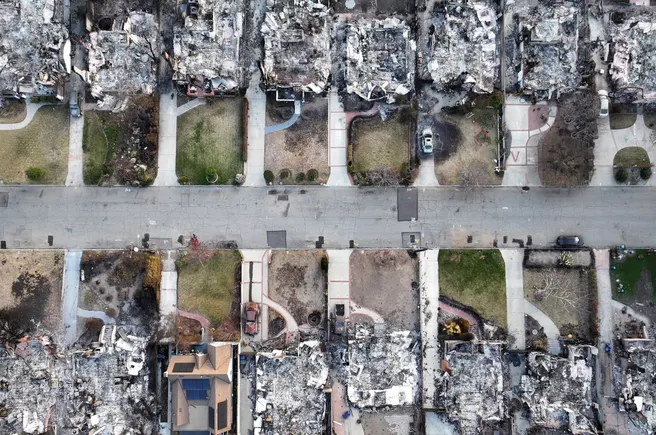
California's legislature recently concluded its session, passing several energy bills including the legalization of balcony solar panels and a data center rate study. However, lawmakers rejected Governor Newsom's proposal to limit utility wildfire liability, causing PG&E and Edison International stocks to drop sharply. The subsequent handling of Senate Bill 492 (SB 492) and insurance recovery issues have become the focus of market attention.
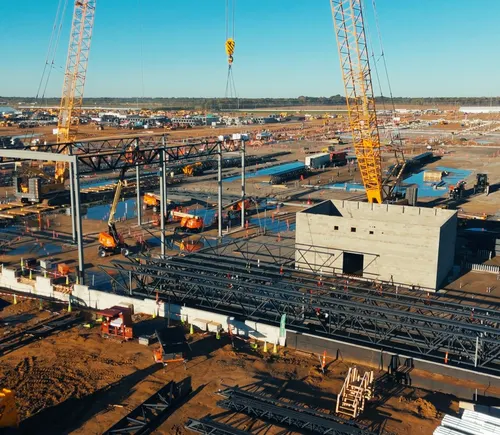
MISO submitted an 'Interconnection Reliability Requirements' framework to FERC on Friday, proposing specifications such as ramping and ride-through for large load interconnection. The proposal responds to FERC's June 'show cause order' and references precedents from ERCOT and PJM. MISO defines large loads as those exceeding 50 megawatts, computing loads as loads with at least 25 megawatts of IT equipment electricity use, and plans to submit additional proposals by November 16.
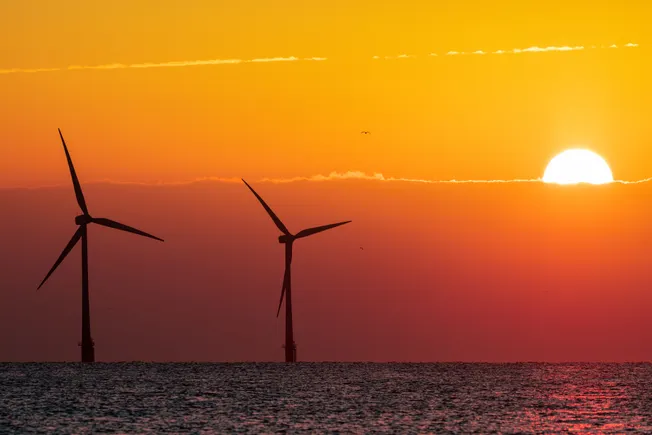
California Attorney General Rob Bonta and the California Energy Commission sued the Trump administration and developer Golden State Wind on Friday over a 'buyback' agreement for offshore wind leases. The lawsuit characterizes the arrangement as 'extortion' and criticizes the government for forcing developers to redirect funds toward fossil fuels.
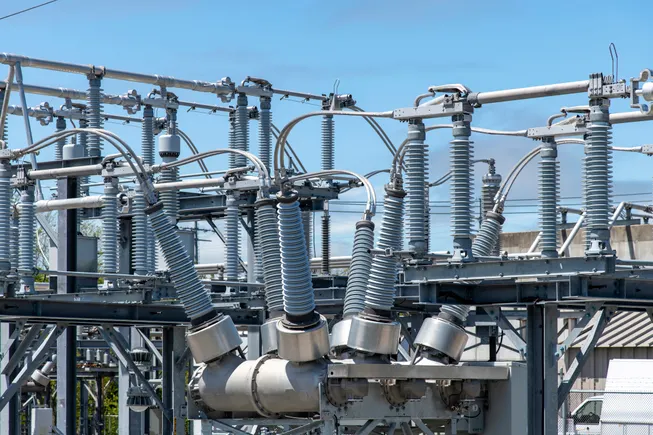
Advanced nuclear technology company Oklo filed an "emergency complaint" with the U.S. Federal Energy Regulatory Commission (FERC) last Friday, alleging that PJM Interconnection improperly removed its 750-megawatt power project, which includes advanced nuclear, natural gas, and fuel cells, from the interconnection study cycle. Oklo stated that PJM's decision would delay this project of "critical national importance" by at least 14 months and significantly increase development costs.

The U.S. Department of Energy (DOE) proposed a rule in July to revise the processes for setting and testing appliance energy efficiency standards, aiming to "permanently end mandatory requirements for appliances and equipment." Fifteen industry groups, including manufacturers and appliance trade associations, generally supported the proposal in joint comments submitted on August 21, arguing that converting procedural rules into binding documents would enhance the process's "robustness, transparency, and predictability," but recommended that actions to relax established standards should not be applied retroactively. Energy efficiency advocacy groups opposed fixed energy savings thresholds, arguing that they would abandon the incremental savings envisioned by the Energy Policy and Conservation Act, and contended that procedural rules should remain guidance rather than binding. The comment period ended on August 21.

Property risk in the natural resources industry is undergoing a critical shift from "severity" to "continuity." When processing facilities are damaged by wildfires or logistics hubs are hit by floods, physical losses are immediate, but the financial consequences—earnings compression, liquidity strain, contractual pressure, and rating sensitivity—often persist for multiple quarters. In capital-intensive industries with high asset concentration, property losses have become balance sheet events. However, many property insurance programs remain anchored to historical loss assumptions and standardized market structures, and this mismatch is amplifying volatility. Experts at Aon point out that relying solely on historical data is no longer sufficient to support future capital decisions, making forward-looking analysis and scenario stress testing increasingly critical. The industry is facing challenges such as extended reconstruction cycles and the systematization of concentration risk, and companies need to treat retention decisions as capital allocation decisions, proactively managing volatility through alternative solutions such as parametric insurance and catastrophe bonds.
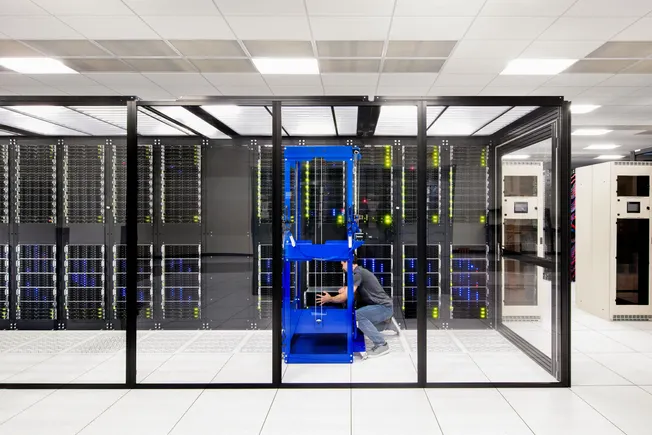
With the rapid adoption of AI technology, data center power demand continues to rise, but power availability, permitting approvals, community opposition, and emission limits are becoming key factors constraining industry growth. Bloom Energy's latest report indicates that developers are accelerating the shift toward on-site power generation and direct current power architecture, with expectations that by 2030, about one-third of U.S. data centers will rely entirely on on-site electricity.
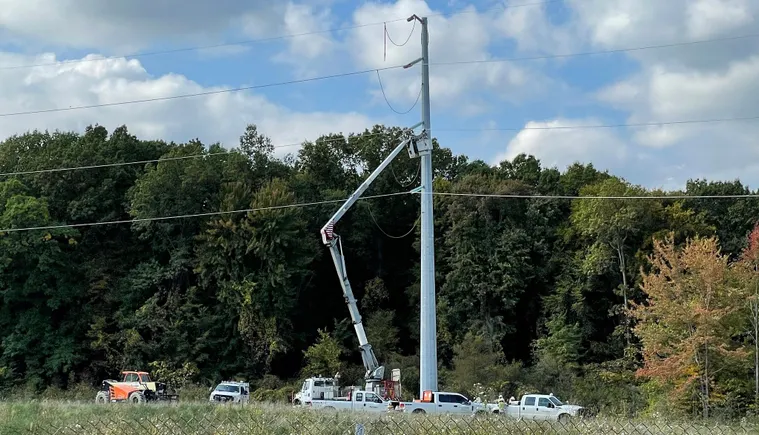
The Ohio Consumers' Counsel (OCC) on Thursday urged FERC to act on its complaint filed in September 2023, which alleges that American Electric Power (AEP), FirstEnergy, AES, and Duke Energy lack regulatory oversight for local transmission projects in Ohio. The OCC stated that while the complaint has been pending, investments in related projects under the PJM regional transmission expansion plan have exceeded $4.3 billion.
The US Federal Bureau of Investigation and the Department of Justice announced the seizure of multiple domains linked to the Chinese government-backed hacking group QTFY, which is suspected of conducting espionage against US critical infrastructure and government agencies.
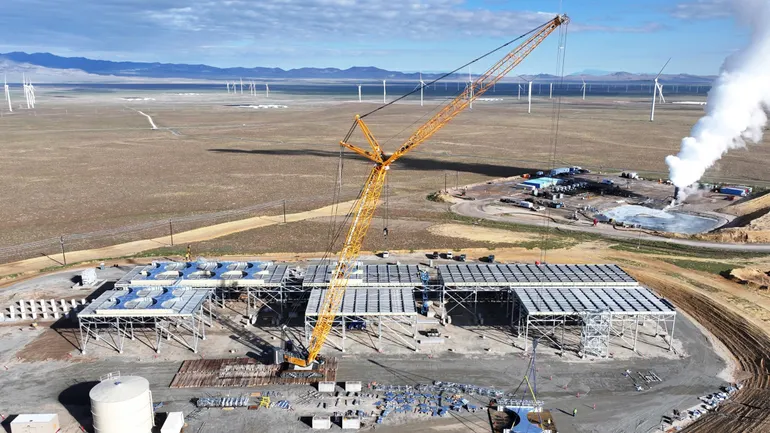
The U.S. state of Utah has launched a four-month long-term test of an enhanced geothermal system (EGS), aiming to reduce technical risks and verify commercial viability.