


Latest news
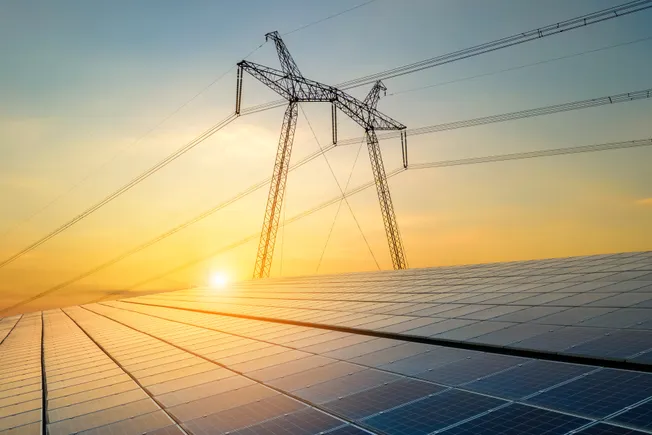
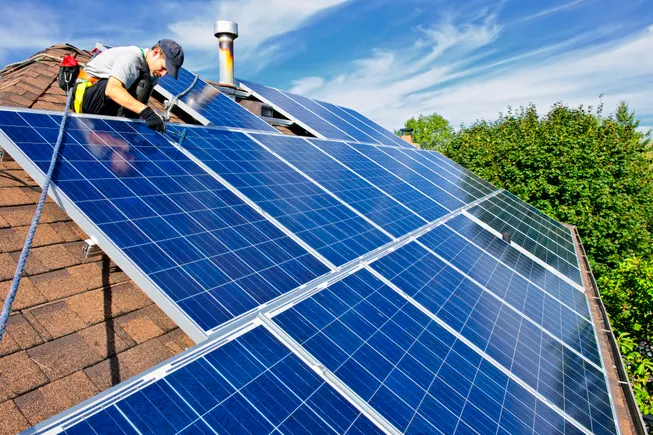
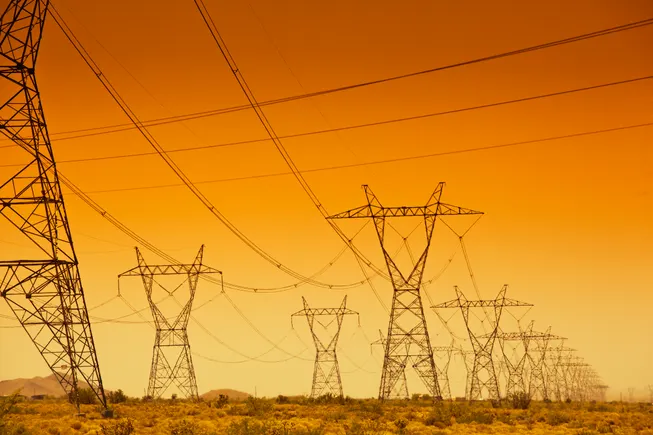
In 2022, power grids across many parts of the United States were tested by heat waves, record electricity demand, and tight supply-demand conditions, but avoided large-scale blackouts through a combination of policies and luck. Experts point out that climate change is normalizing extreme weather, posing long-term challenges to grid reliability. This article analyzes the response measures, effectiveness, and outlook beyond 2023 in California, Texas, and the Pacific Northwest.
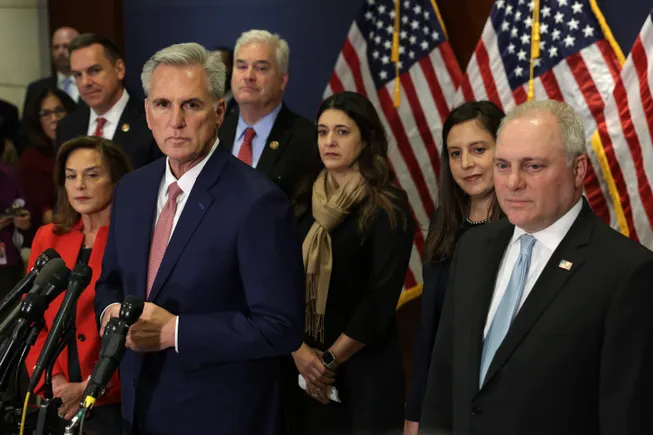
After the 2022 midterm elections, Republicans are set to take control of the House, and calls to repeal the Inflation Reduction Act, previously promised, have resurfaced. However, several legal and policy experts who were involved in the Affordable Care Act battles point out that the likelihood of a full repeal is low, but oversight, delays, and political battles surrounding it may persist beyond the 2024 election. The renewable energy industry, meanwhile, hopes that the act's diverse incentives will create a political buffer and accelerate project implementation to solidify its position.
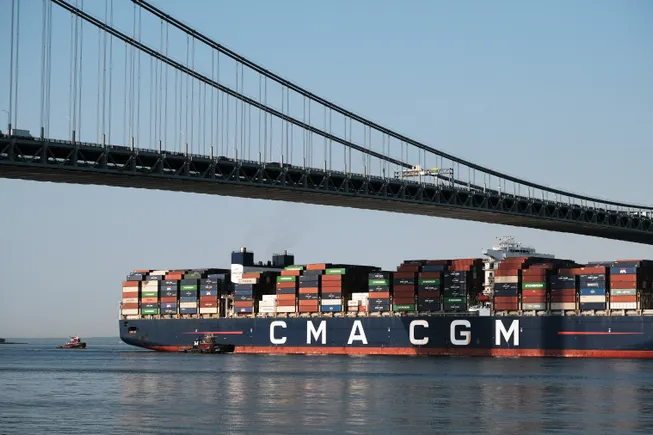
In 2022, the U.S. supply chain faces dual uncertainties from port and railroad labor negotiations. Cargo volumes at West Coast ports decline, while the share of East Coast ports rises, as shippers adopt cargo diversion strategies to hedge against strike risks. Yet this strategy is not without costs; diversion leads to longer delivery times, higher logistics costs, and may trigger port congestion. Experts expect cargo diversion to become a routine option in shippers' future supply chain planning.
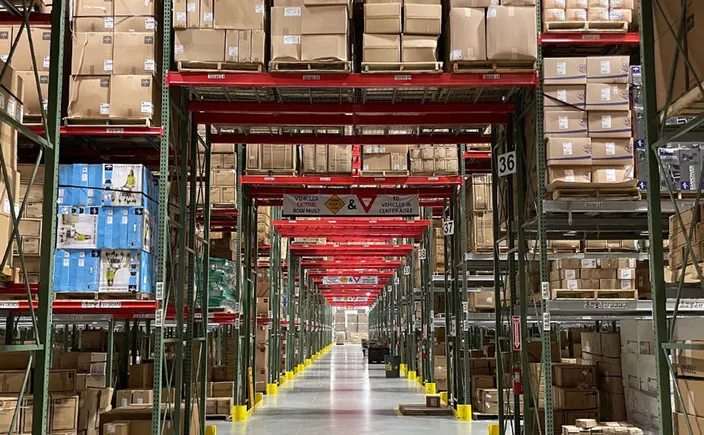
At the end of September, Nike announced 'decisive actions' on inventory, shaking the industry. Data shows that retail inventory in the second quarter of 2022 surged 31% year-over-year, hitting a ten-year high. Companies such as Target, Adidas, and Hasbro have followed suit with price cuts to clear stock. Although retailers hope to 'clean house' before the holiday season, analysts expect inventory levels to only 'improve slightly,' with margin pressure extending into 2023.

Despite political criticism of ESG as "woke capitalism," lawyers and former regulators expect the SEC to still issue climate risk disclosure rules by January next year, requiring listed companies to detail carbon emissions and climate risks, and may retain the most stringent compliance requirements.
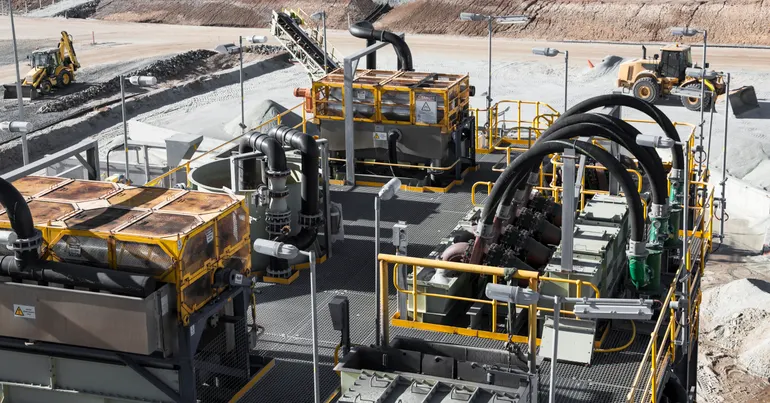
The Biden administration is accelerating the localization of the U.S. lithium-ion battery supply chain, covering the entire process from mining, processing, to manufacturing. Although the U.S. accounts for only 3.6% of global lithium reserves and faces multiple technical and cost barriers, industry observers remain cautiously optimistic about sustainable capacity expansion, supported by funding from the Bipartisan Infrastructure Law and collaborative mechanisms such as Li-Bridge.
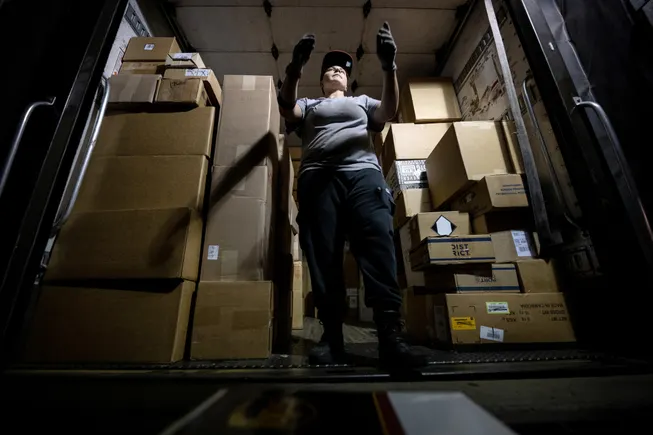
UPS and FedEx have announced an average 6.9% increase in delivery rates, but the actual impact varies by service, package, and destination. Experts point out that long-haul shipping, surcharges, and minimum package charges will drive up costs. Based on analyses from Shipware and others, this article details rate differences, surcharge pressures, and negotiation room, providing recommendations for shippers.
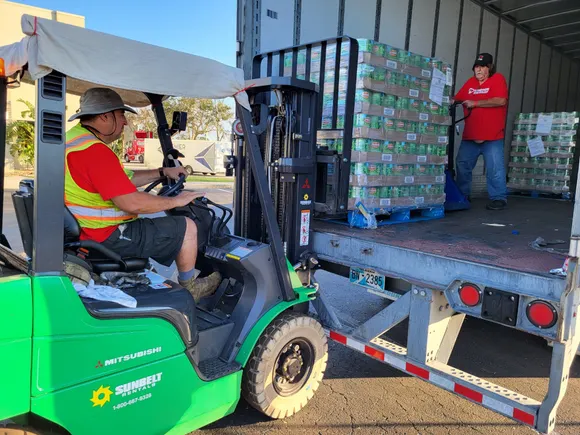
After Hurricane Ian made landfall in Florida, volunteers such as truck driver Joe Myerly, through organizations like Operation BBQ Relief, overcame road obstacles to transport food and supplies, supporting a large-scale meal effort. The American Logistics Aid Network and others provided transportation and refrigerated trailers, helping the nonprofit achieve a supply of 60,000 to 80,000 meals per day, with plans to eventually reach 100,000 daily, for a total goal of one million meals.