


Latest news

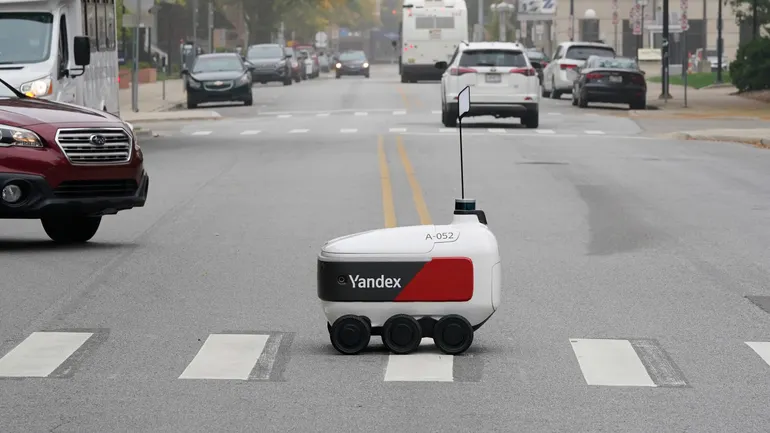
As of end-2022, at least 23 U.S. states have enacted laws for sidewalk delivery robots, but rules differ significantly—from weight limits to speed caps. This patchwork complicates national expansion, prompting companies to engage in state-level lobbying. Pilot programs in Pittsburgh and Detroit reveal infrastructure and human adoption hurdles, while experts call for more real-world testing to smooth deployment.
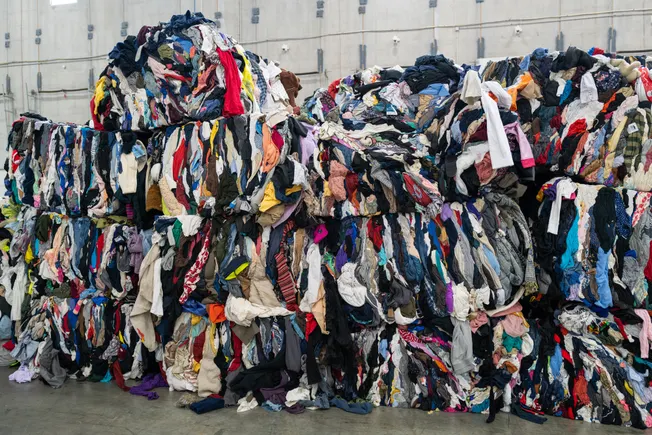
时尚业对环境的负面影响日益严重,尽管出现了环保材料等创新方案,但专家认为关键问题在于生产过剩。本文引用多项研究,分析焚烧库存的经济动机,并介绍法国、西班牙及欧盟的立法动向。
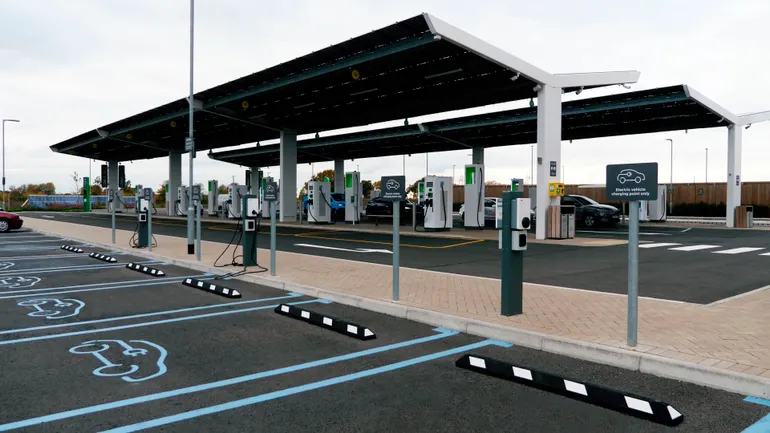
The electrification of transportation in the U.S. faces challenges in grid load management. Utilities are adopting time-of-use rates (TVR) and demand charge adjustment strategies to balance customer costs with system reliability. This article analyzes rate reform practices at companies like Duke Energy and PG&E, as well as policy responses from regulators.
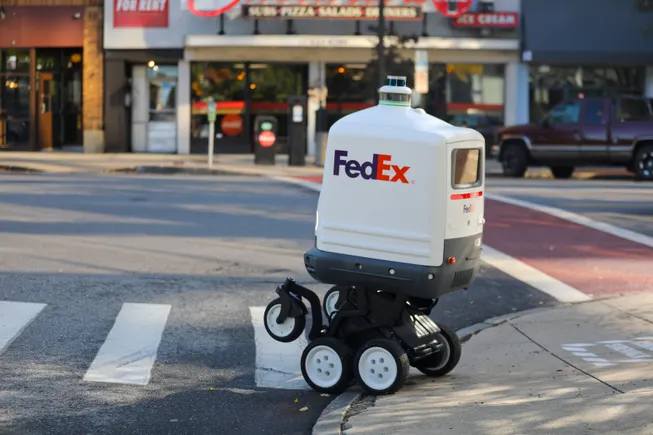
FedEx and Amazon have ended their sidewalk delivery robot tests, but the sector's remaining players argue that labor shortages, inflation, and rising fuel costs create tailwinds for adoption. However, executives acknowledge that scaling requires addressing funding gaps, diversifying beyond food delivery, and navigating regulatory and infrastructure constraints.
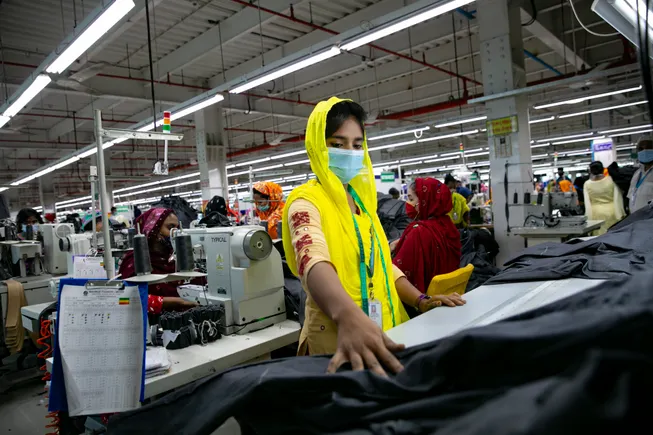
Three years ago, the COVID-19 pandemic led to the closure of retail stores in the United States and manufacturing factories worldwide, with major brands canceling billions of dollars in orders, causing immense losses for suppliers and workers. Research shows that workers faced unemployment, unpaid wages, debt, and hunger, while buyer behavior has not fundamentally improved to this day.

The California Independent System Operator (CAISO) faces challenges from a surge in interconnection applications, with its Cluster 14 window receiving 373 applications, far exceeding the historical annual average of 113. In response, CAISO launched a process enhancement initiative in March 2023, considering proposals such as limiting application areas and requiring power purchase agreements. Experts deem reforms necessary but worry that 'picking winners' may affect reliability goals.
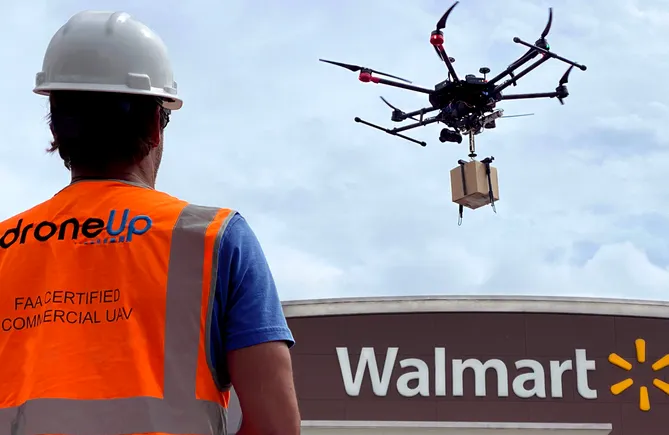
Zipline and Alphabet's Wing, two giants in the drone delivery sector, have successively announced service capability upgrades this month, both targeting scaled operations. However, experts believe that to achieve annual delivery volumes in the millions or even surpass airlines, companies must simultaneously advance in cost control, regulatory breakthroughs, and public acceptance.
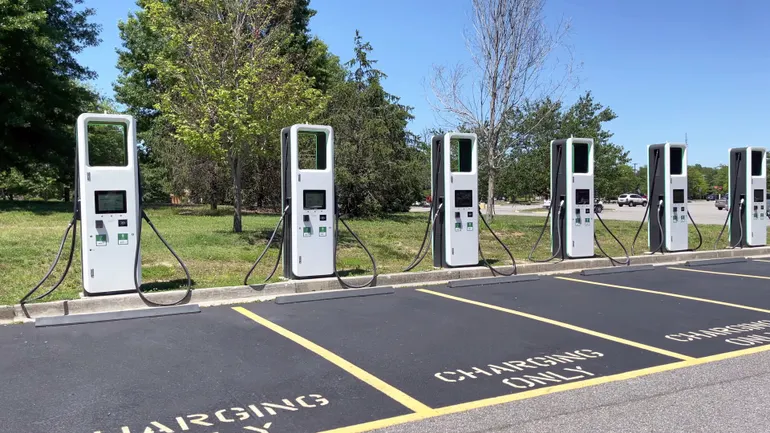
Although the US Inflation Reduction Act provides substantial funding and tax incentives for the electric vehicle industry, implementation details remain undecided, particularly rules for battery procurement and charging infrastructure tax credits, raising industry concerns. Over 880 comments have been submitted by various parties, expecting the Treasury Department and IRS to issue guidance promptly to balance policy goals with market feasibility.