

Latest news

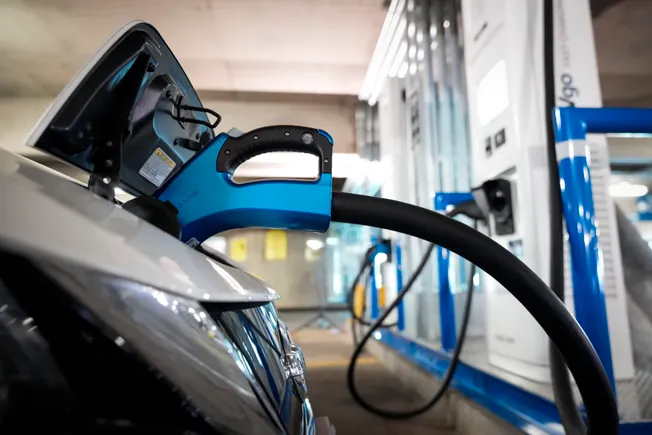
As electric vehicle adoption rates rise, U.S. power companies are facing dual challenges of grid upgrades and load management. According to estimates from the U.S. National Renewable Energy Laboratory, electric vehicles could drive a 38% increase in U.S. electricity consumption by 2050. To address this trend, power companies are forming various forms of partnerships with automakers, dealers, and ride-hailing platforms. This article reviews cases including PG&E's V2X exploration with BMW, Con Edison's equipment testing with General Motors, Dominion Energy's electric school bus project, Xcel Energy's regulatory innovation path, and Peninsula Clean Energy's data exchange with Lyft.
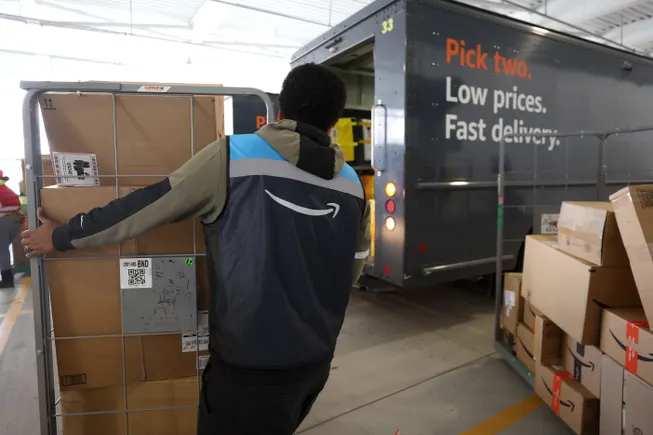
Amazon has officially relaunched its Amazon Shipping service, a ground delivery offering for Amazon.com sellers fulfilling orders placed on non-Amazon channels. The service promises delivery in two to five business days across the contiguous U.S., with straightforward pricing and expedited claims resolution. Industry experts see potential benefits for small businesses but note significant challenges in attracting large enterprise shippers, given concerns about capacity prioritization, volume discounts, and reliance on USPS for full coverage. Amazon's vast logistics network—1,285 active U.S. facilities as of Q1 2023—positions it as a credible long-term threat to FedEx and UPS, though near-term disruption may be limited to smaller e-commerce carriers.
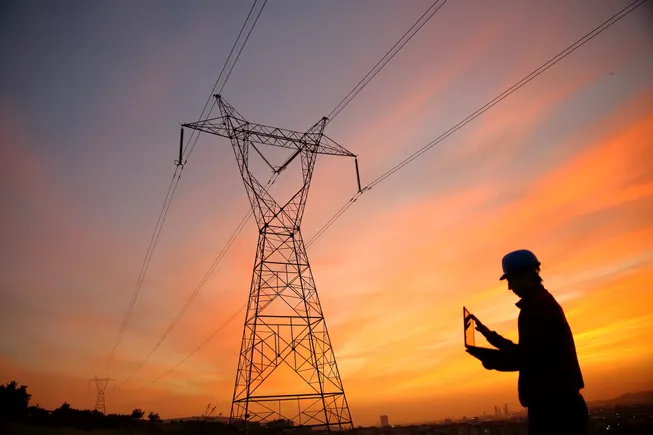
The U.S. electricity industry is undergoing profound changes, and traditional electricity pricing models face challenges. In recent years, residential electricity bills have continued to rise, prompting states and experts to explore new rate designs, such as low-income discounts in New York and New Hampshire, and income-based fixed charges proposed in California. However, these proposals have also sparked controversies involving fairness, implementation complexity, and incentives for electrification.

2023年夏季,美国及加拿大供应链领域爆发多起劳资纠纷,涉及港口、快递、零担运输等多个环节。工人要求更高薪酬、福利和保障,工会谈判力量增强,货主被迫调整供应链策略。本文剖析劳工动荡的深层原因、对物流运营的影响,以及企业如何通过多元化承运商、技术投资等方式降低风险。
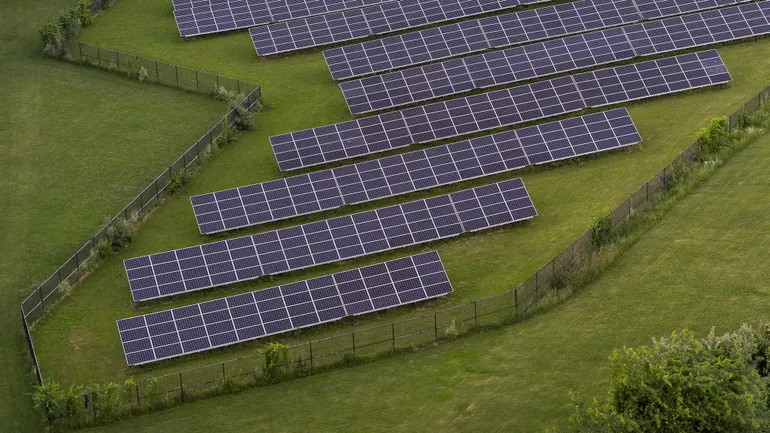
全球约75%的温室气体排放属于范围三(Scope 3)排放,供应链脱碳迫在眉睫。然而,转型成本高昂,每年需额外资本支出3.5万亿美元。买方与供应商之间就成本分担存在分歧,部分品牌通过绿色债券和供应链金融提供支持,但许多供应商仍面临资金压力。本文分析了各方观点及潜在解决方案。
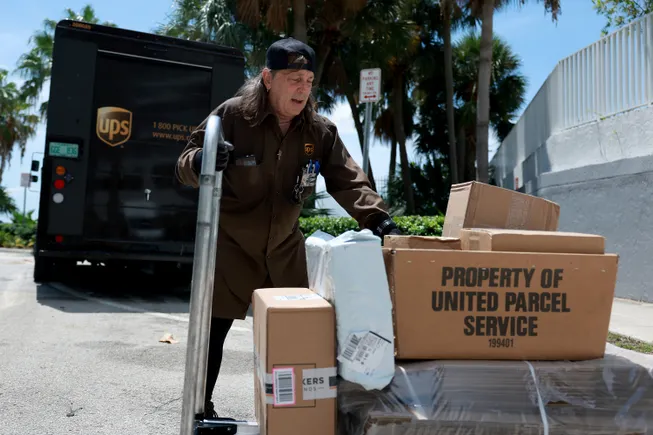
As the UPS-Teamsters contract deadline approaches, some shippers are holding steady, while others scramble to mitigate potential disruptions. Factors like volume-based discounts, contract penalties, and confidence in negotiations influence decisions.