


Latest news

In late October, McDonald's faced its first E. coli outbreak in over 40 years, pulling Quarter Pounders from menus after at least 90 people fell ill and one died. The source was traced to slivered onions from Taylor Farms. This article examines the outbreak's implications, drawing on expert commentary to highlight supply chain integration, regulatory trends, insurance strategies, and communication lessons for the foodservice industry.

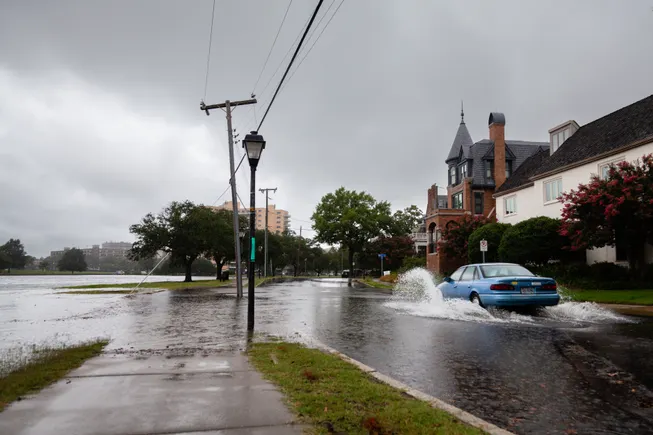
With the frequent occurrence of extreme weather events such as Hurricanes Milton and Helene, the U.S. power industry is accelerating climate resilience planning. Based on NOAA data and research from multiple institutions, this article analyzes the response strategies of companies such as Duke Energy and Arizona Public Service, and explores how emerging tools like the EPRI Climate READi framework are reshaping industry standards.

Constellation Energy plans to restart Three Mile Island Unit 1 in 2028, while Holtec International is expected to restart the Palisades nuclear plant in October 2025. These projects face significant investment, strict regulation, and complex engineering challenges. Industry experts note that the number of viable restart candidates in the U.S. may be in the single digits, with economics and unit condition being key determining factors.
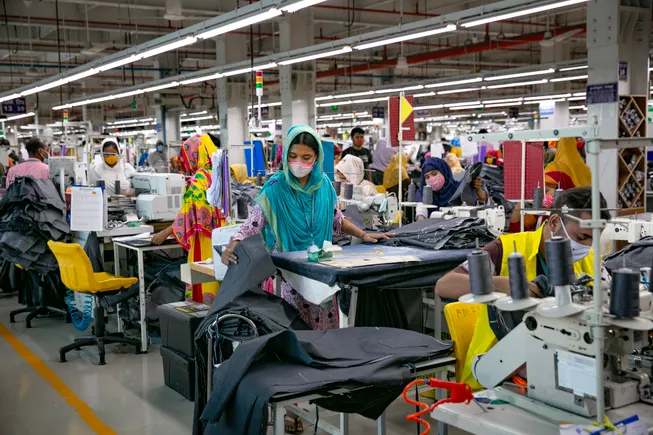
Supplier scorecards are becoming essential for apparel companies to gain visibility into their supply chains, standardize performance metrics, and foster transparent communication. This article explores how brands like Patagonia, Brooks Running, and Estée Lauder use scorecards to measure quality, sustainability, and social responsibility, while also addressing challenges such as data gaps and supplier compliance.
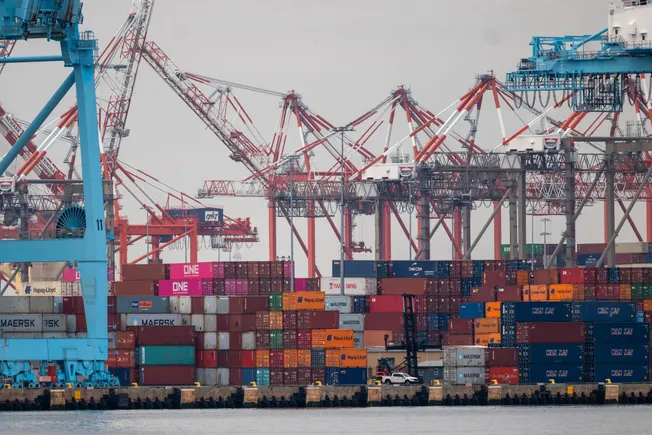
As the International Longshoremen's Association (ILA) and United States Maritime Alliance (USMX) approach their Sept. 30 contract deadline, the threat of an Oct. 1 strike at East and Gulf Coast ports is intensifying. This guide consolidates expert advice on contingency planning, alternative gateways, airfreight viability, cargo-specific vulnerabilities, and the narrowing window for action.
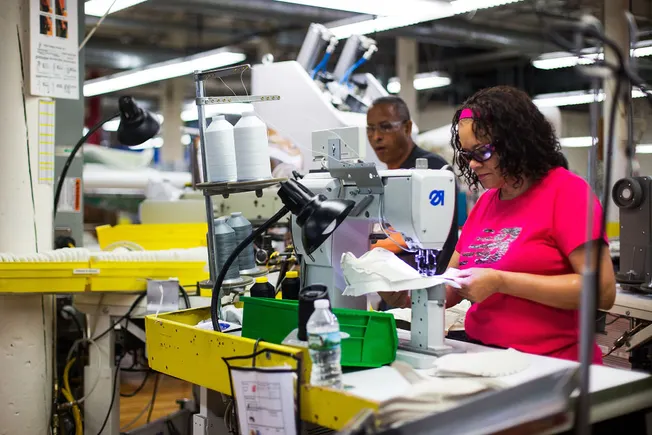
The de minimis exemption, which allows shipments under $800 to enter the U.S. duty-free, has been a double-edged sword for manufacturers. While complex manufacturers like auto parts makers see little impact, textile producers face competitive threats from cheap imports. Recent legislative proposals aim to reform or close the loophole, with stakeholders divided on the best path forward.

Temu and Shein's rapid growth has boosted U.S. parcel volumes, with each marketplace contributing about 900,000 daily packages in July. Carriers like UPS have seen renewed demand, but the de minimis exemption's uncertain future and low shipping rates create profitability challenges. Industry experts weigh the risks and opportunities for last-mile providers.
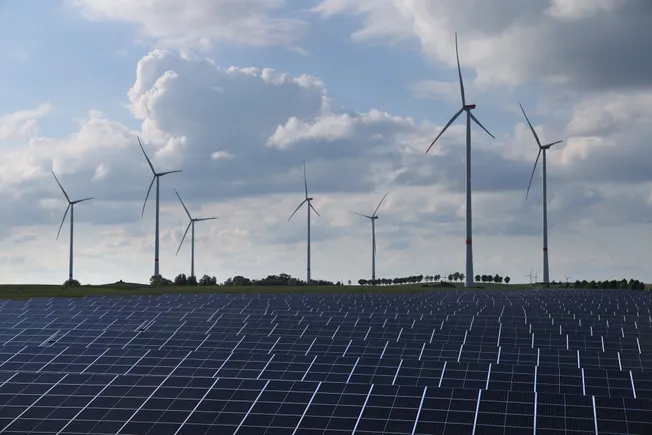
To address local resistance in renewable energy project siting, multiple U.S. states are adopting 'carrot and stick' policies such as centralized permitting and financial incentives. Michigan's 'Renewable Energy Ready Communities Award' and New York's 'Host Community Benefit Program' have shown initial results, but Illinois' legislative move to strip local permitting authority has sparked controversy. Experts believe the most effective policies should incentivize local participation and limit malicious delays.
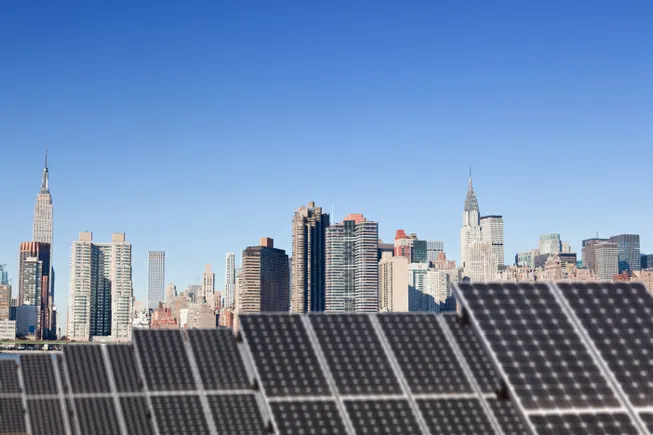
On March 24, the California Public Utilities Commission approved the Limited Generation Profile (LGP) option, becoming the first state-level flexible grid interconnection practice in the nation, aimed at reducing grid upgrade costs for 1-5 megawatt distributed energy resources. States such as New York, Illinois, and Colorado are also advancing more flexible interconnection rules.