


Latest news

President Donald Trump has promoted tariffs as a tool to spur U.S. manufacturing investment and job creation. While major firms like Hyundai and TSMC have announced large investments, economists and industry experts express skepticism about broader impacts, citing policy uncertainty and structural factors that have reduced manufacturing's share of GDP over decades.
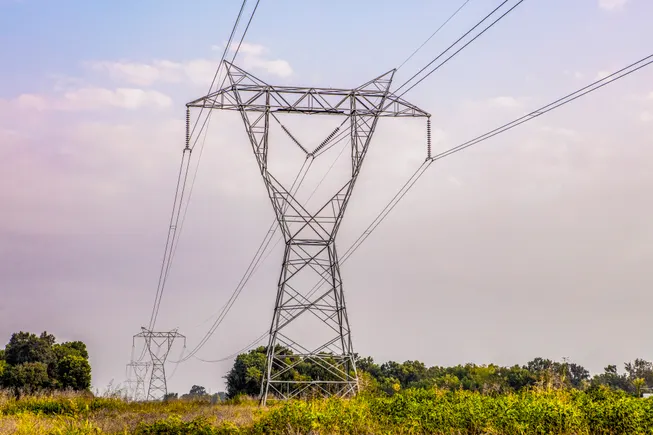
Former U.S. Federal Energy Regulatory Commission (FERC) commissioners warn that the executive order signed by the White House on February 18, requiring review of independent agency rulings, could delay critical implementation of transmission planning and interconnection reforms. Bipartisan former commissioners all stated that legal disputes will consume valuable time, affecting the U.S. power system's ability to respond to surging demand.
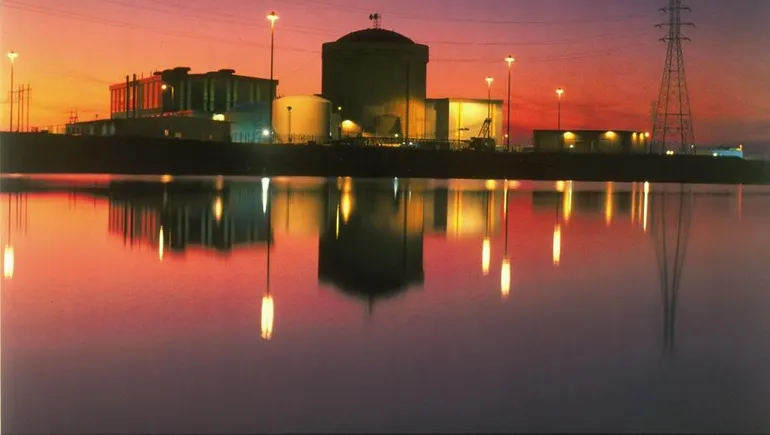
South Carolina utility Santee Cooper has initiated a bidding process to sell its unfinished Units 2 and 3 at the V.C. Summer Nuclear Station. Experts expect that if a deal is reached, the new units could be completed and operational within 5 to 8 years.

Industry experts discuss the potential consequences of privatizing the U.S. Postal Service, including likely rate hikes, reduced delivery frequency, and a network resembling FedEx and UPS, while noting the challenges of maintaining universal service obligations.

With the rapid development of artificial intelligence and machine learning technologies, utility companies are exploring the use of these technologies to address reliability challenges caused by load growth. An EPRI report notes that AI investment commitments in 2025 are enormous, including the $500 billion Stargate project in the United States and a €206 billion fund in the European Union. Demonstration projects by companies such as Avista, PG&E, and Ameren showcase AI's potential in grid optimization, load forecasting, and wildfire prevention, but issues such as data security and insufficient infrastructure still need to be resolved.
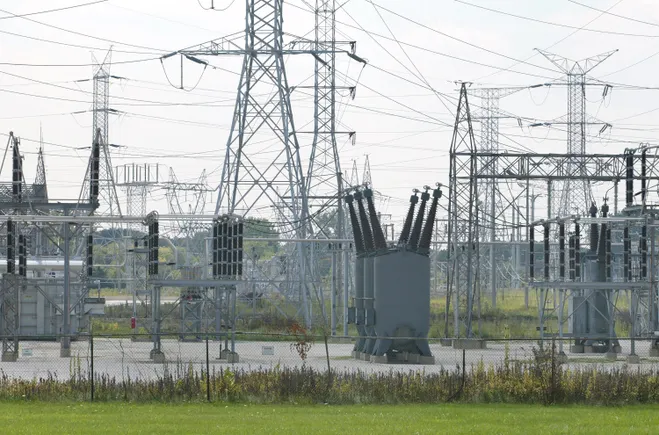
The modernization of the U.S. power system faces a transformer supply bottleneck. Load is expected to grow by nearly 16% by 2030, but delivery lead times for new transformers have extended from weeks to three years. The industry calls for investment in capacity expansion, standardized designs, and policy support to alleviate supply tensions and ensure grid stability.
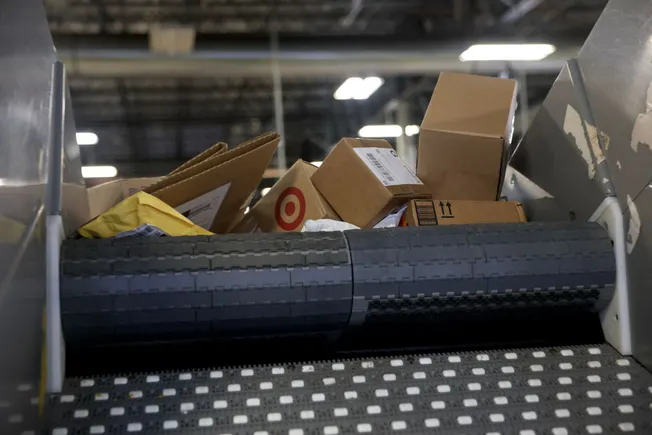
As the U.S. Postal Service implements major changes under its 'Delivering for America' plan, package consolidators are adjusting strategies. Leaders from DHL eCommerce, OSM Worldwide, and ACI Logistix discuss how they are navigating new entry-point rules, ounce-based pricing elimination, and exploring growth in heavier shipments and alternative delivery partners.
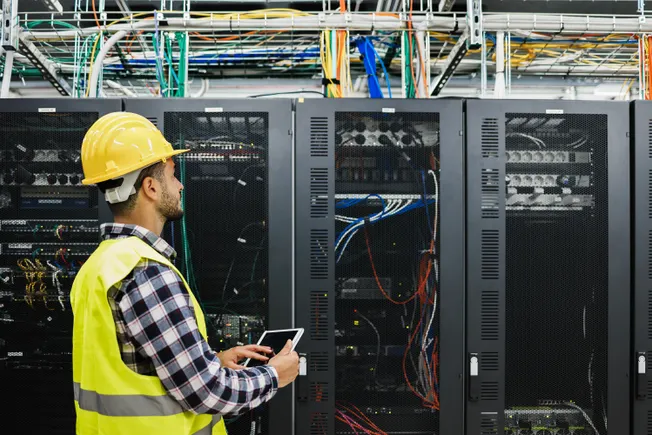
Driven by AI, data center cooling technology is undergoing profound transformation. In 2025, two-phase liquid cooling is expected to move from pilot projects to large-scale implementation, and hybrid air-liquid cooling solutions are becoming the mainstream choice for new projects, but supply chain risks and high-density design challenges cannot be ignored. Meanwhile, the retrofit market for existing data centers will maintain "slow but steady" growth, and northern cold-climate regions are gaining more attention due to their natural cooling advantages.
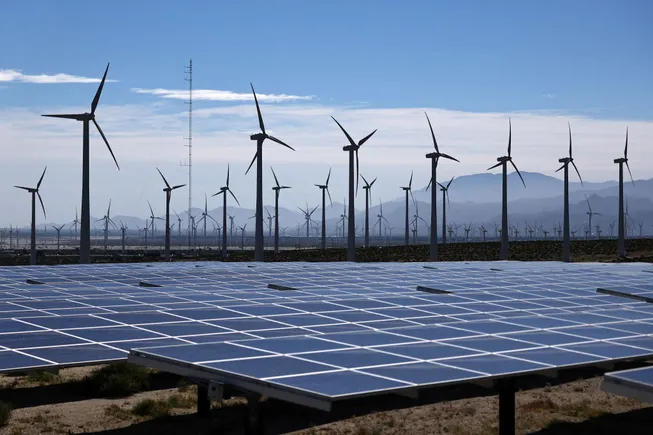
In 2025, the U.S. renewable energy industry maintains investment momentum driven by the Inflation Reduction Act, but faces issues such as grid interconnection backlogs and policy shifts. Industry leaders and experts analyze opportunities and challenges in load growth, energy storage boom, solar, and offshore wind in Utility Dive's outlook.
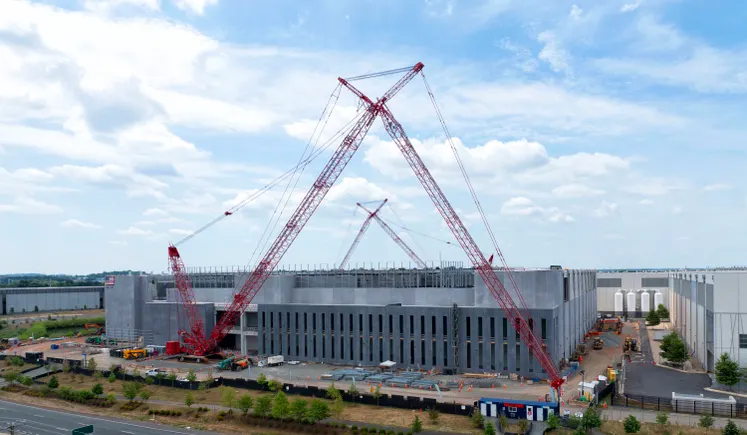
President-elect Trump returns to the White House amid a surge in electricity demand, a reality that will dominate the new administration's power-related policies. Experts point out that new power supply faces multiple obstacles, and the personnel layout and agenda setting of agencies such as the Federal Energy Regulatory Commission (FERC) will be key points to watch.