


Latest news

2025年关税风暴重塑美国贸易政策,2026年供应链难获平静。除贸易不确定性外,半导体与牛肉等关键材料供应约束、运营成本压力及物流可靠性问题将持续困扰零售商与制造商。供应链领导者需在多重压力下维持韧性,本文基于行业专家访谈,提炼出2026年值得关注的趋势与风险。
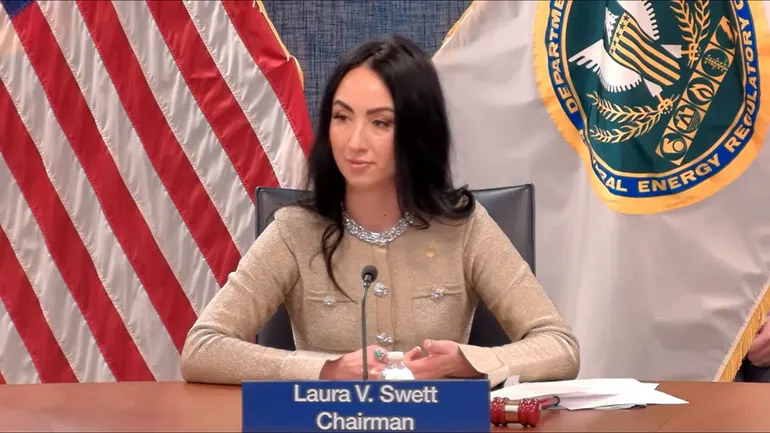
In 2026, under pressure from the Trump administration to accelerate data center development, the U.S. Federal Energy Regulatory Commission (FERC) must also address energy affordability and grid reliability challenges, and meet compliance deadlines for new transmission planning and cost allocation rules. This article analyzes key issues and stakeholder perspectives on FERC's handling of large-load grid connections, transmission planning compliance, and electricity market reforms.
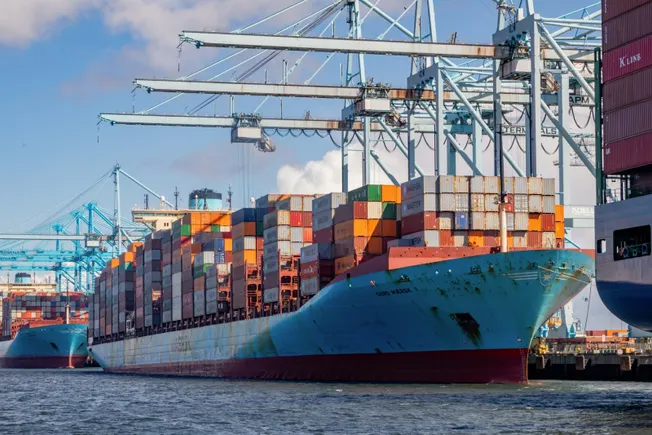
2026年,物流经理人面临更有利的货运市场条件,但关税、附加费与服务风险仍构成挑战。本文基于对多位行业专家的访谈,梳理包裹、海运、空运、铁路与卡车运输的五大趋势,包括末端配送成本攀升、海运运力过剩延续、空运网络复杂化、铁路并购监管悬念以及卡车运输的承运商生存能力问题。

2026年,供应链将受到铜短缺、关键矿产脆弱性、医疗成本上升、存储芯片约束和牛肉供应紧张等多重压力。企业正通过重新设计全球网络、建立库存和调整产品结构来应对。


In 2026, the U.S. renewable energy industry faces significant resistance from Trump administration policies, including tightened tax credits under the One Big Beautiful Bill and delays in federal land approvals. However, surging electricity demand, faster deployment of renewables compared to fossil fuels, and proactive state-level policies may turn the tide for the industry. Industry leaders call for discipline amid uncertainty, focusing on viable projects and exploring new financing and technological solutions.

2026年,供应链不确定性持续,但企业已从2025年的被动应对转向主动变革。本文基于专家访谈,梳理五大关键趋势:地缘政治风险推动供应链碎片化与多元化、经济波动考验供应链韧性、成本优化成首要任务、AI应用进入调整期、劳动力挑战加剧。
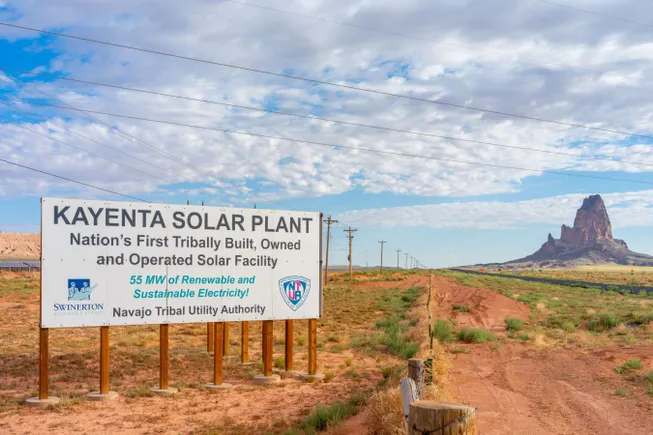
After the Trump administration canceled federal clean energy grants, tribal nations are advancing solar projects through alternative avenues such as loans, philanthropy, and private capital. Relevant organizations are leveraging prior planning efforts and developing new tools and curricula to attract investment, while addressing the employment and economic impacts of funding disruptions.


A U.S. Department of Energy study finds that utilities can accelerate innovative applications through smarter pilot designs to address load growth and affordability challenges. The Lawrence Berkeley National Laboratory report notes that current pilots are often redundant and lack a path to scale, but some utilities have achieved rapid scaling through frameworks such as regulatory sandboxes.