


Latest news
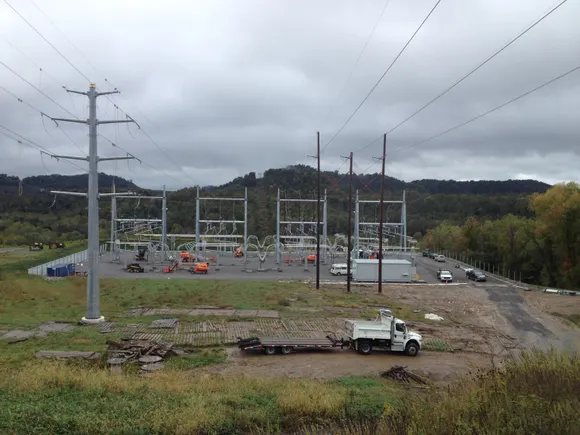
Monongahela Power and Potomac Edison, subsidiaries of FirstEnergy, filed applications with the Public Service Commission of West Virginia on Friday, proposing two rate increase paths. Option one is a total rate increase of $188.4 million, affecting residential, commercial, industrial, and street lighting customers; option two is a phased adjustment mechanism based on inflation and power plant investment, aimed at easing the burden on customers gradually. The Commission must decide which option to adopt by May 29.
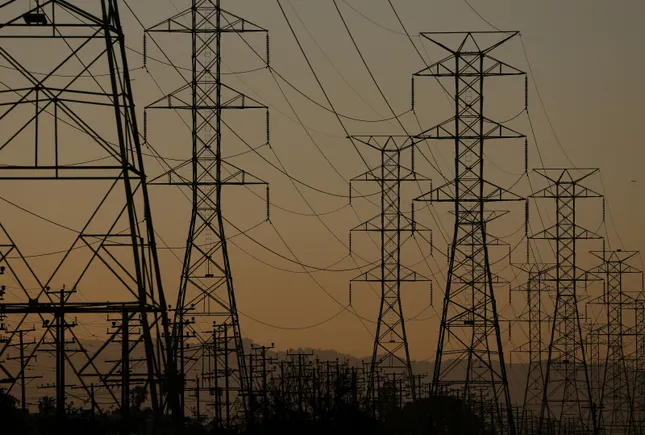
Amid declining confidence among U.S. critical infrastructure operators in federal government support, nine companies, including JPMorgan Chase, Mastercard, and AT&T, established the Critical Infrastructure Alliance (ACI) in February to enhance cross-industry cybersecurity risk coordination. Alliance Chairman Ben Flatgard stated that the private sector must proactively assume risk management responsibilities. Experts believe this move helps fill the coordination vacuum left by government absence, but the lack of federal intelligence and antitrust exemptions remains a challenge.

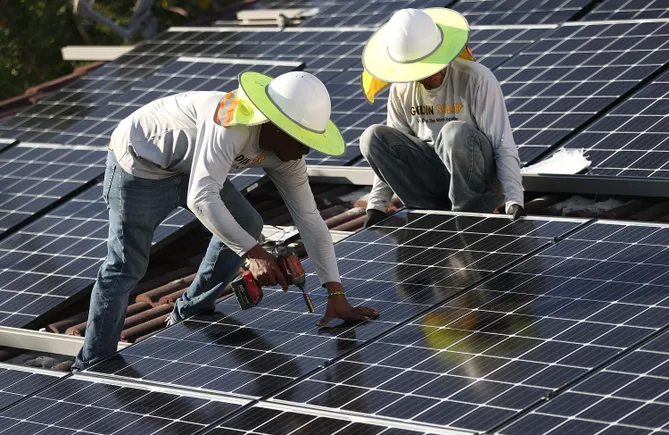
The latest report from the Environmental Defense Fund indicates that in Q1 2026, the U.S. renewable energy manufacturing sector suffered significant employment setbacks, with a net loss of 5,900 jobs and $1.4 billion in canceled investments. Despite a net increase of $1.1 billion in total investments, the industry still faces policy uncertainty and geopolitical pressures.
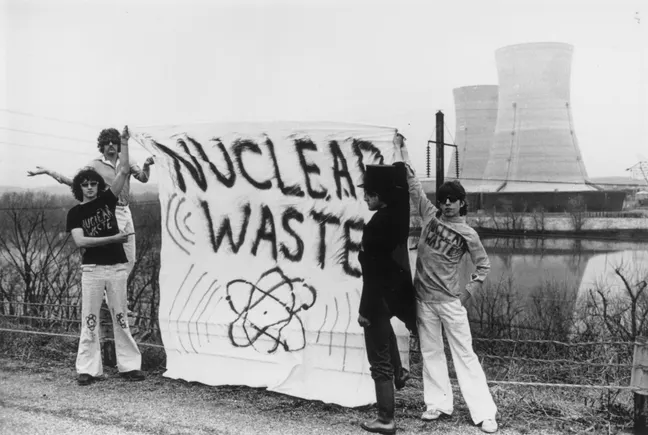
The U.S. Department of Energy (DOE) has launched the 'Nuclear Lifecycle Innovation Park' initiative, hoping states will voluntarily accept spent fuel and thereby drive industries such as advanced nuclear energy, power generation, and data centers. Although many states have responded positively, historical funding, policy, and practical challenges may still hinder the revival of U.S. nuclear energy. This article reviews the background of the initiative, reactions from various parties, and the challenges it faces.
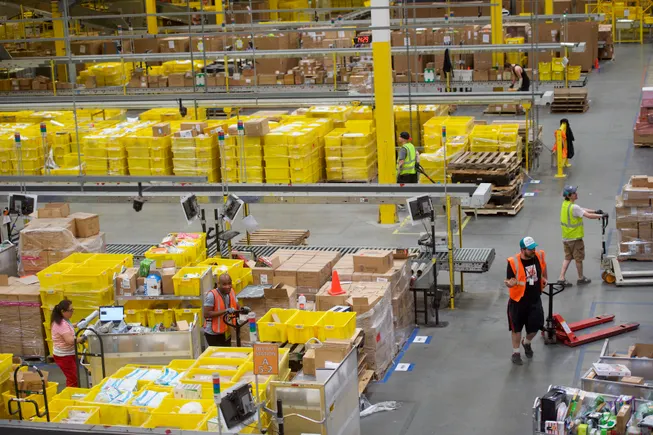
Amazon's launch of Amazon Supply Chain Services (ASCS) extends its transportation, distribution, and fulfillment offerings to any business. While not an immediate threat to FedEx, UPS, or other incumbents, the bundled service could reshape competition. Experts discuss pricing pressures, service gaps, and strategic considerations for shippers.
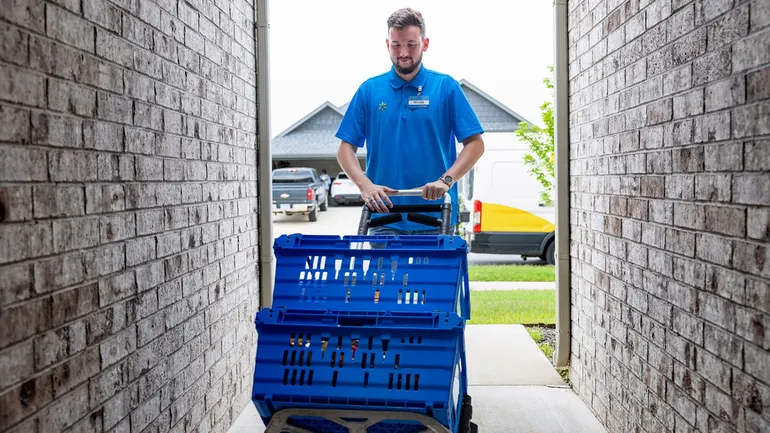
Same-day delivery is gaining momentum in 2026 as retailers add faster shipping options. FedEx, Amazon, Sam's Club, Dollar General and DoorDash have announced new or expanded services. Early adoption shows strong demand, but experts caution that infrastructure and cost hurdles could temper long-term growth.

Virtual power plants (VPPs) are seen as a tool to enhance grid reliability and reduce costs, but monopoly utility companies are trying to dominate this emerging market. Through successful cases in Puerto Rico, California, and other places, this article demonstrates the benefits of competitive markets for consumers and the grid, and calls on regulators to reject proposals by utility companies to monopolize VPP resources.
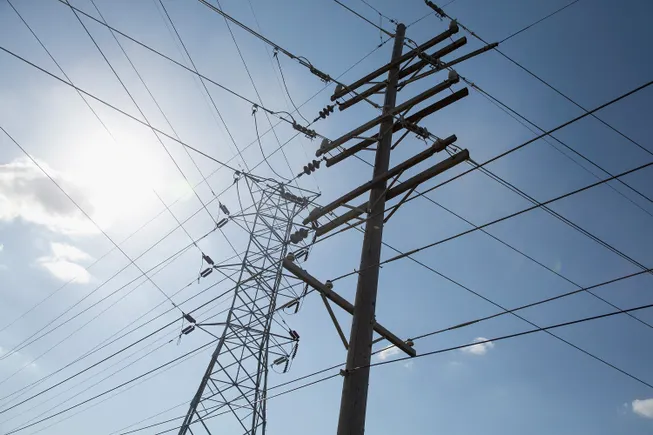
U.S. electricity demand is projected to grow by about 128 gigawatts over the next five years, and traditional large-scale grid investments may lead to stranded assets. Distributed energy resources, particularly community-scale solar and storage ranging from 1 to 10 megawatts, can be interconnected within months to relieve local grid pressure. Jigar Shah, former director of the U.S. Department of Energy's Loan Programs Office, notes that states need to legislate for grid data transparency and streamlined interconnection processes, and proposes four principles to achieve large-scale deployment within 18 months while protecting consumer interests.

One year after the Trump administration's 'Liberation Day' tariffs, medtech companies are absorbing costs through efficiency drives rather than price hikes or R&D cuts. With new tariff mechanisms replacing invalidated ones, firms face similar financial impacts, while targeted supply chain shifts and legal monitoring define their response.