


Latest news

Cascade Energy announced on August 11, 2026, the acquisition of Yield Energy (Polaris Energy Services, Inc., doing business as Yield Energy). Yield Energy is a California-based company that converts agricultural loads into flexible grid capacity, bringing a 200 MW agricultural demand flexibility portfolio and an automated Distributed Energy Resource Management System (DERMS). Following the acquisition, Cascade will scale its demand flexibility services to cover agricultural and commercial and industrial operations nationwide.
PCI Energy Solutions announced a partnership with IGS Energy, a leading North American energy retailer, to implement an enterprise-grade Bid-to-Bill platform for IGS Energy and its subsidiary Just Energy. The platform will integrate market scheduling, bidding, shadow settlement, and compliance reporting, and introduce an AI-driven data analytics engine, PCI Insights™, to enhance operational visibility, risk management, and market responsiveness.
NEEA and a national coalition have named Midea the winner of the Hot Water Innovation Prize. The company's split-system heat pump water heater aims to overcome space barriers, expanding efficient water heating to apartments, condominiums, and manufactured homes. The solution could reduce energy use for over 2 million homes per year, saving households an average of $240 annually.

On August 20, the Smart Energy Consumer Collaborative (SECC) released the report 'Exploring Energy Affordability: Barriers and Opportunities.' Based on a nationally representative survey of over 4,000 consumers, the report shows that 51% of consumers saw their electricity bills rise over the past year, and 31% had difficulty paying at least once. Low-income households are particularly affected (48%), compared to 18% for middle- and high-income households. The report points out that low bill awareness and insufficient program awareness are major barriers, with 92% of consumers having adopted energy-saving measures but lacking the time and confidence for further action.
Skip Shapiro Enterprises continues to expand its nationwide organic waste processing network covering food, beverage, and agricultural sectors. Founded in 2007, the company currently serves over 200 food and beverage processing facilities across the United States. The company recently launched the BeverageDestruction.com platform, specializing in compliant destruction and recycling of beverage products. Additionally, the company is involved in the Linden renewable energy project, which, once completed, will become the largest food waste-to-energy facility in the nation.
On August 31, 2026, SMA Group announced the launch of a portfolio of data center power infrastructure solutions designed for AI and hyperscale applications. Based on SMA's proven utility-scale technology platform and decades of grid integration experience, the portfolio includes three architectures—SMA GridAssist, SMA GridLink AC, and SMA GridLink DC, planned for deployment in 2027—aimed at addressing challenges such as long power access timelines and high grid stability requirements faced by the data center industry.
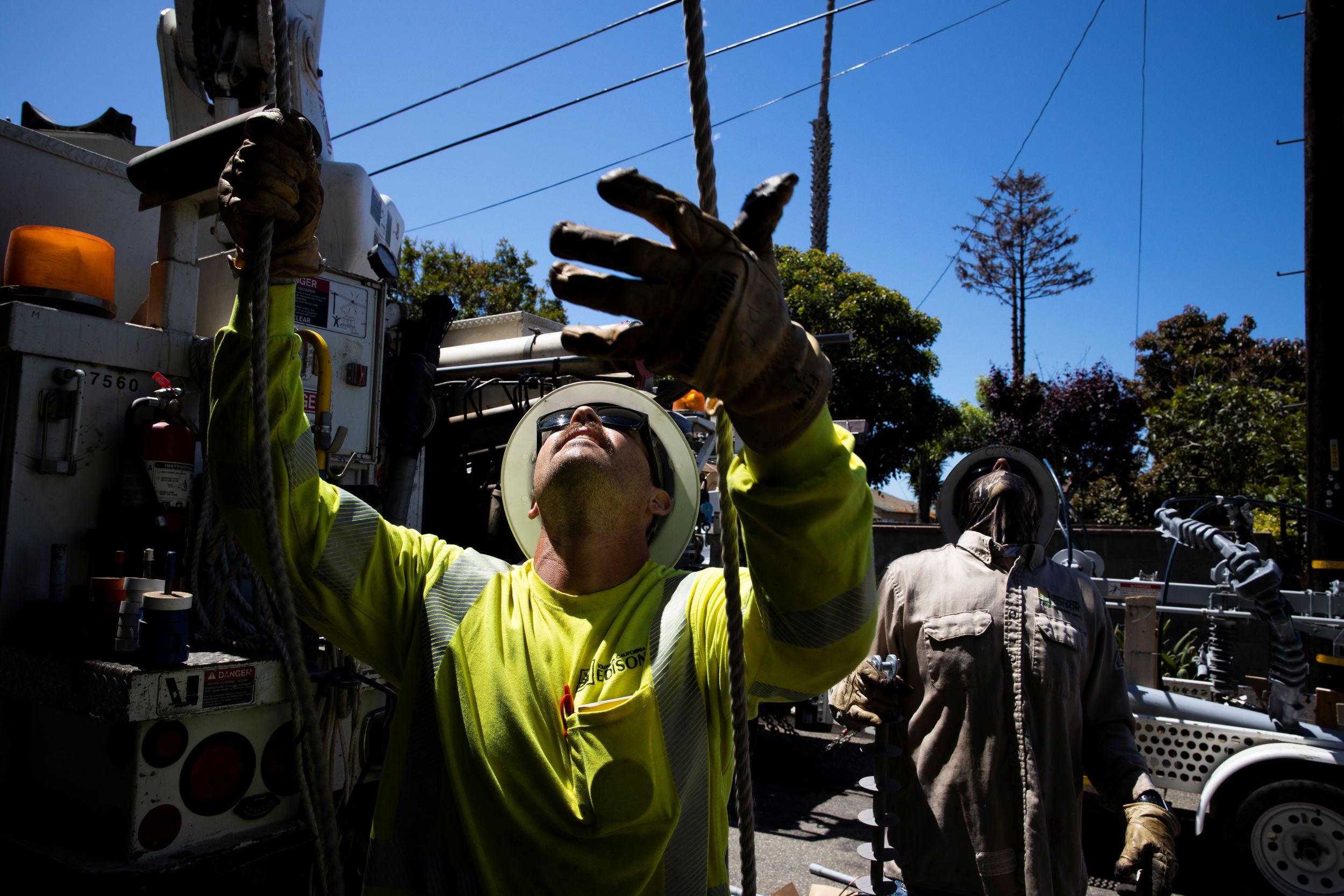
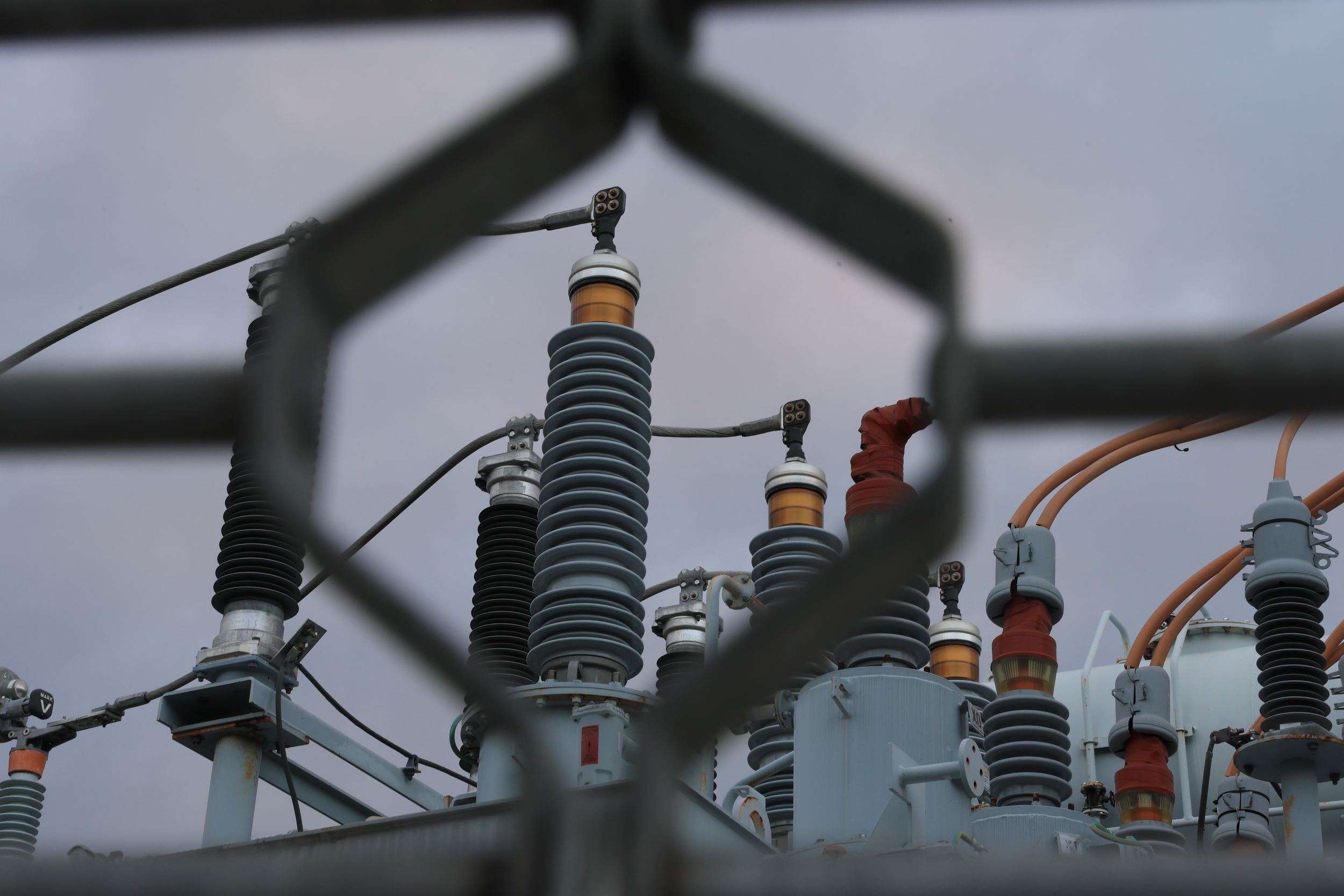
PJM Interconnection is evaluating reliability requirements such as "ride-through" standards for data centers and crypto mines in response to the July 22 event where approximately 3,800 MW of load was lost in Northern Virginia. The event was triggered by a 230 kV line fault in Dominion Energy's territory, causing PJM's total load to drop by about 3.8%. PJM restored area control error limits within 9 minutes, better than NERC's 30-minute standard. Two similar load transfer events of about 1,500 MW occurred in the region in 2024 and 2025. PJM is considering expanding reliability requirements, while NERC, per FERC's directive, must complete registration standards for computational loads by December 31, but voltage and frequency ride-through requirements are not expected until next year.
A PowerLines poll shows that 76% of Americans support stronger utility regulation, but only 29% trust state governments to protect consumer interests. Utility rate increase requests in Q1 2026 reached $9.4 billion, affecting 81 million people. Experts analyze that AI data center demand, inflation fatigue, and regulatory complexity have intensified public discontent.
Verse announced that the power capacity managed by its energy intelligence platform Aria has reached 30 gigawatts, doubling since early 2026. As grid operators impose new capacity and flexibility requirements on large loads, Verse helps customers accelerate grid connection and optimize portfolios through Dispatch Intelligence and Portfolio Insights.