


Latest news
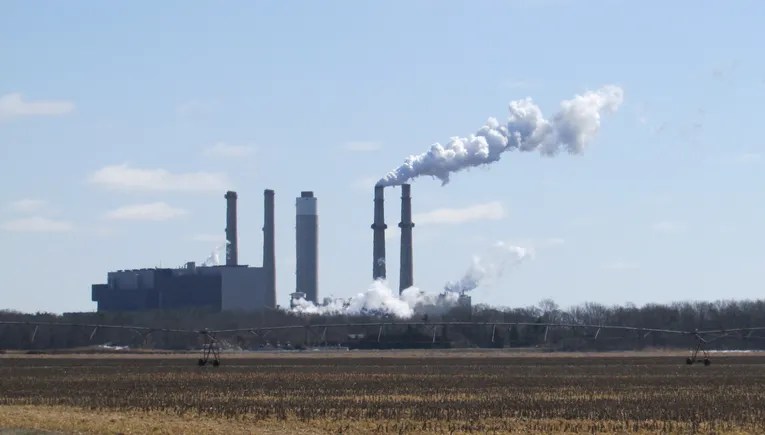
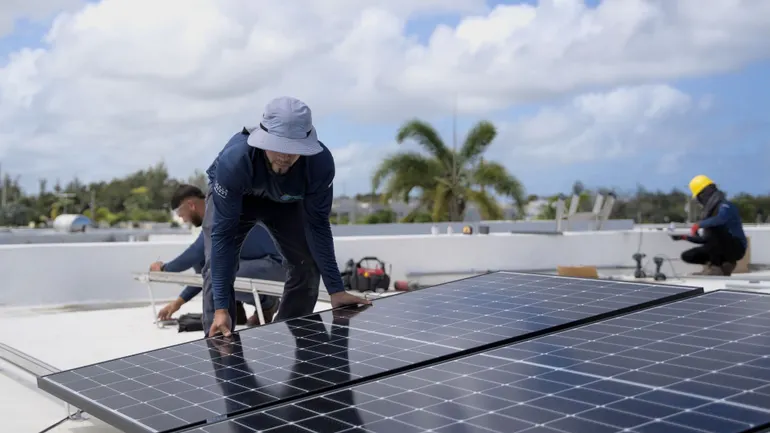
Sunrun, Tesla, and Renew Home announced on Wednesday that they will jointly provide 16.8 GW of distributed energy capacity to help utilities and hyperscale data centers address grid congestion and power supply speed challenges. The collaboration covers 9 million U.S. households and 12 million devices, with key markets including Texas, California, and Virginia.
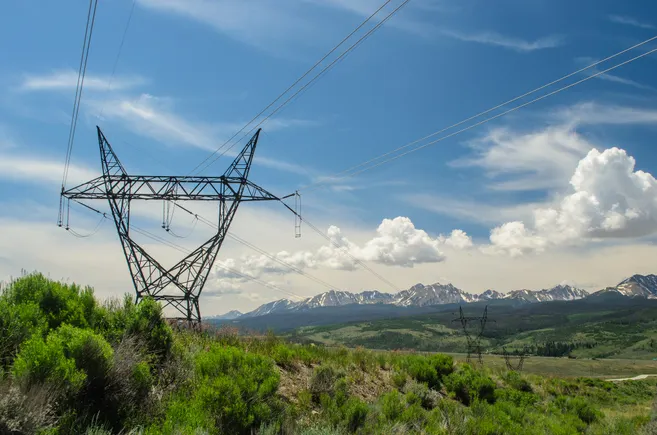
Colorado public power utility Platte River Power Authority announced a partnership with EnergyHub to design and deploy a virtual power plant (VPP), targeting 39 MW of dispatchable capacity by 2030 (19 MW from customer distributed energy resources plus 20 MW from battery storage). The first program focuses on smart thermostats and is scheduled to launch in late summer, with electric vehicle charging management to follow.

Louis Maltezos, co-president of energy infrastructure company Ameresco, noted that K-12 school districts can address rising energy costs through energy performance contracts and on-site power generation. According to data from the U.S. Department of Energy, school districts spend nearly $8 billion annually on energy, making it the second-largest expense after teacher salaries. With rising electricity prices and increasing data center loads, school districts face budget pressures, but energy efficiency measures and performance contracts can help mitigate the impact.

Carbon removal purchasing group Frontier Climate announced last week that AI company Anthropic has joined its buyer group, alongside $915 million in new funding to support carbon removal technologies with gigaton-scale potential. This brings Frontier's collective commitments to $1.8 billion.
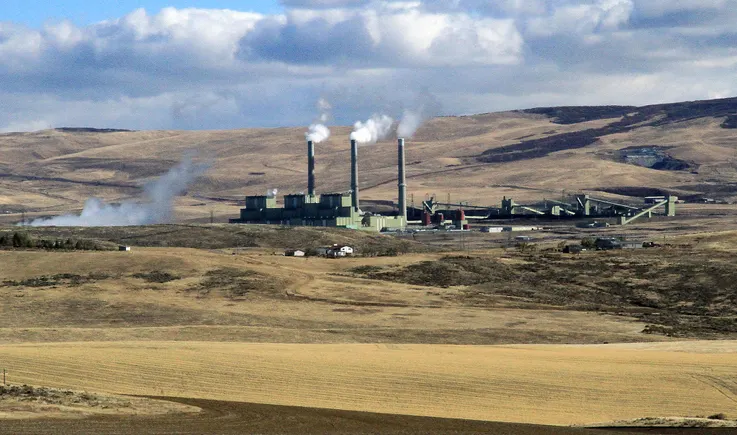
Last year, the U.S. Department of Energy issued emergency orders under Section 202(c) of the Federal Power Act for 10 generating units across 6 power plants, requiring them to delay retirement to ensure grid reliability. However, data analysis by the Energy Information Administration (EIA) shows that most plants subject to the orders generated far less electricity than in the same period in previous years: the combined generation of 5 plants in the first quarter of this year fell by 65% compared to the same period last year, with one plant having never generated electricity since the orders took effect and another operating for only two weeks. Industry observers point out that aging plants, maintenance backlogs, and high compliance costs are the main reasons for the insufficient output, and some plant owners have filed lawsuits in court or requested the DOE to reconsider the orders.
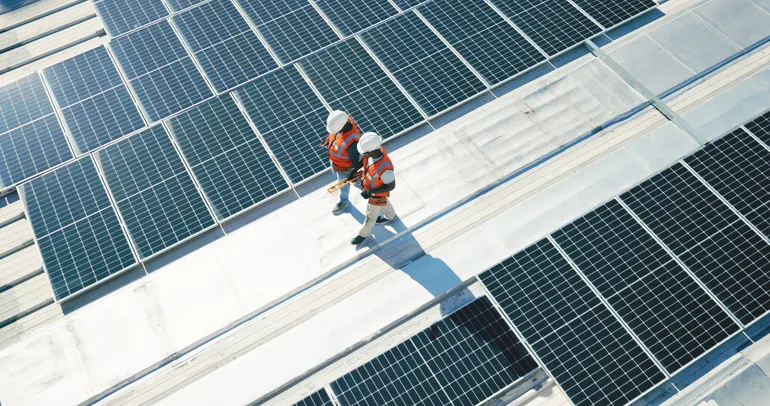
Data centers drove about half of the growth in U.S. electricity demand last year, with power consumption expected to hit new records in 2026, but infrastructure still lags by years. Energy development teams face pressure from expanding project pipelines and compressed timelines, while AI adoption in the industry is only 13.6%. Although energy development is region-specific, AI can still create value in site selection, project screening, tracking, and community sentiment research. This article analyzes practical AI use cases and recommends starting with highly repetitive workflows.

Climate solutions company Carbon Direct released new guidance on Tuesday (June 16) aimed at helping voluntary market buyers evaluate the sustainability of low-carbon fuel procurement. The guidelines are based on six core principles, including preventing social and environmental harm, carbon accounting, reducing leakage, feedstock sourcing, and demonstrating additionality. Carbon Direct stated that the document will serve as a 'living resource' updated annually, with future versions covering synthetic fuel pathways, renewable natural gas, and specific industry applications.
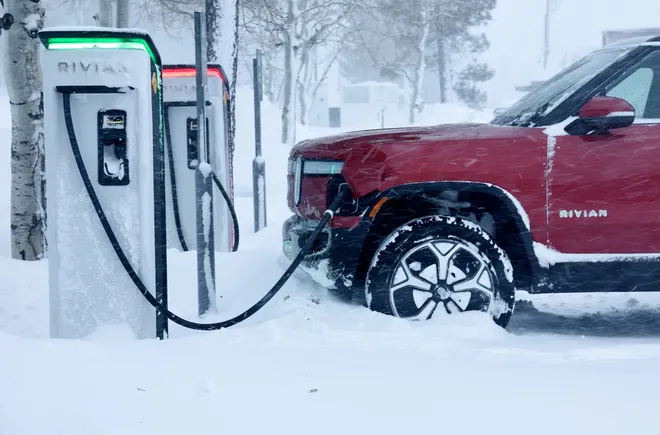
Rivian joined the ChargeScape platform, and General Motors launched a V2G firmware update and partnered with DTE Energy, showing that managed and bidirectional charging are becoming important tools for grid load management.
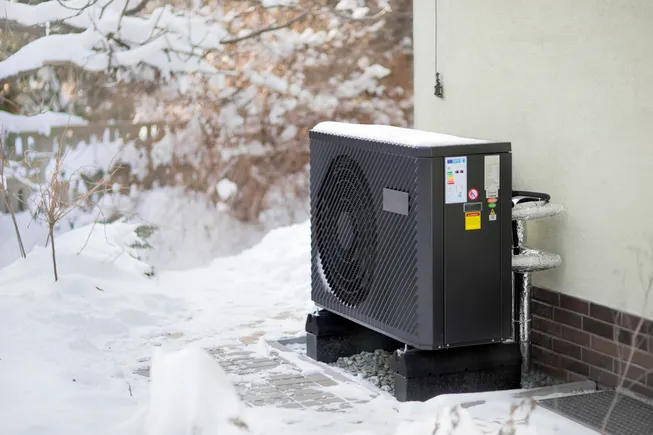
According to the latest data from the Air-Conditioning, Heating, and Refrigeration Institute (AHRI), combined shipments of central air conditioners and air-source heat pumps in April increased 5.1% year-over-year to 837,098 units, with heat pump shipments rising 1.8% to 380,888 units. Although overall shipments year-to-date remain below the same period last year, heat pumps stood out with a cumulative increase of 1.2%. Industry experts point out that technological advancements have enabled heat pumps to meet the heating and cooling needs of all building types across the United States, and a recent Supreme Court ruling on energy efficiency rules for gas equipment may further boost the electrification trend.