


Latest news
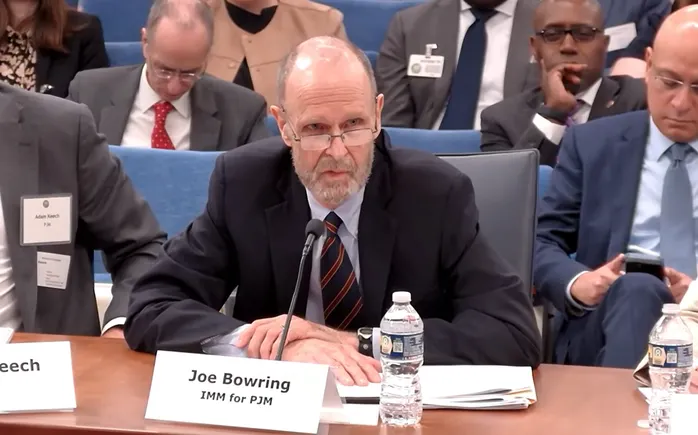
The total cost of PJM Interconnection's latest capacity auction reached $16.4 billion, with data center-related costs at $6.3 billion, accounting for 38%. Independent market monitor Monitoring Analytics noted that data center-related costs over the past four auctions totaled $29.4 billion, representing 46% of the total $63.6 billion in costs. The agency recommends separating data centers from the base auction and conducting capacity procurement separately.
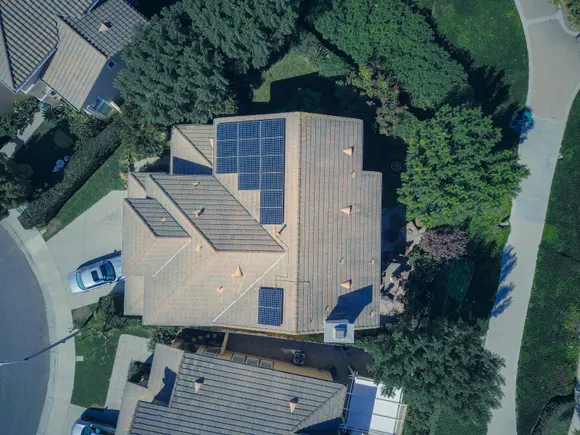
Demand flexibility technology has been proven viable, but the new challenge facing the industry is converting pilot results into scaled customer participation. Many current projects still operate in a pilot mode, with customer experience becoming a growth bottleneck. The article points out that front-end details such as registration processes and ongoing engagement will determine whether flexibility projects can deliver planable capacity, citing Octopus Energy as an example of the value of a customer-first strategy.
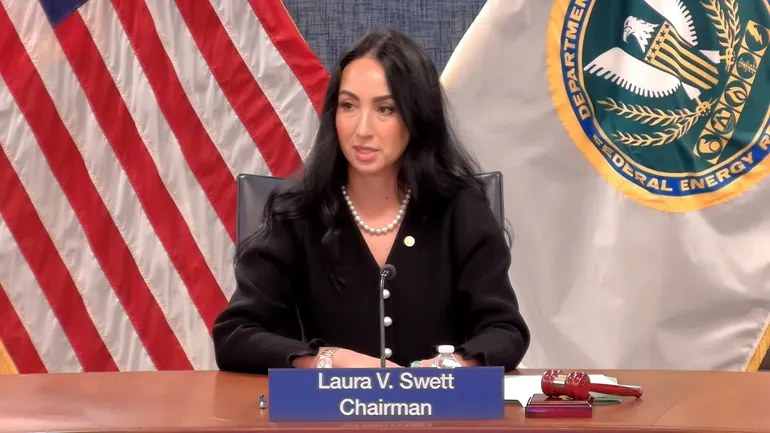
FERC Chairman Laura Swett noted that PJM Interconnection's latest capacity auction results fell nearly 7 GW short of reliability targets, attracting only about 500 MW of new generation, which intensified the 'alarm' for reform. She emphasized that the issues involve multiple levels, including federal, market, state, and entities, requiring coordinated action from all parties. FERC will hold a technical conference on July 23, focusing on PJM governance issues.
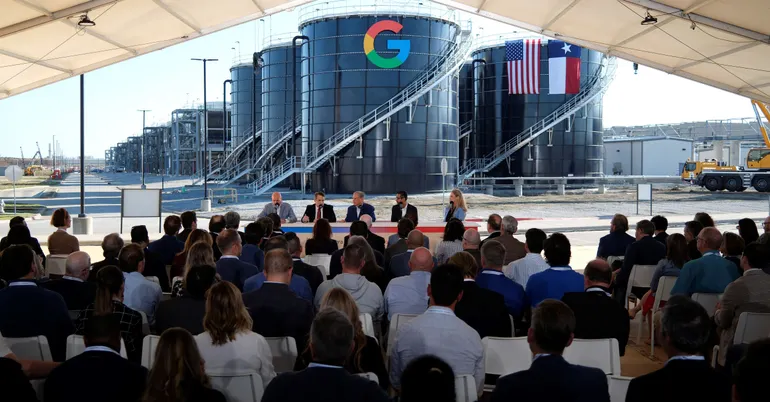
Google announced on Tuesday an agreement with Cypress Creek Energy to participate as an anchor investor and offtaker in the Steel River Energy Center project. This project, the largest solar facility in the U.S., is located in Arkansas with a total scale of 2.5GW/2.9GWh, developed in three phases, with the first two phases bringing 1.6GW of solar and 1.9GWh of storage. Google also signed power purchase agreements for the first two phases and committed $5 million to local energy affordability programs.
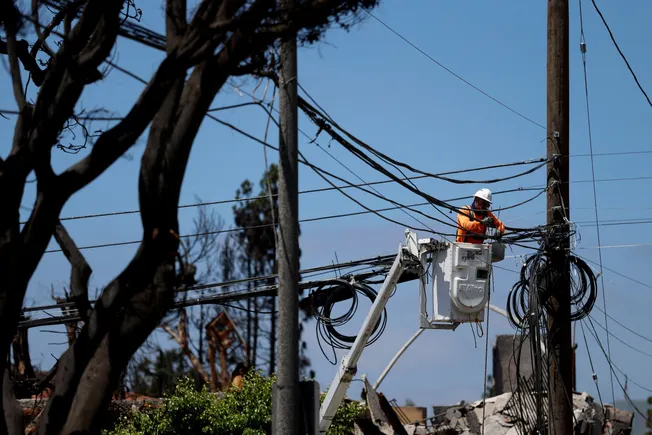
Lawrence Berkeley National Laboratory (LBNL) released its 2026 retail electricity price trends update this month, showing that U.S. inflation-adjusted retail electricity prices rose 2.6% from 2024 to 2025, exceeding inflation over the same period. The report predicts that electricity prices may continue to rise in the near term, as utility rate increase requests hit multi-decade highs and regulatory approval rates remain high. Since 2019, nominal residential electricity prices have risen 33%, while commercial and industrial prices have increased 26% and 27%, respectively. Although the national average real electricity price remains below 2010 levels, regional differences are significant, with California and several northeastern states leading the increases.
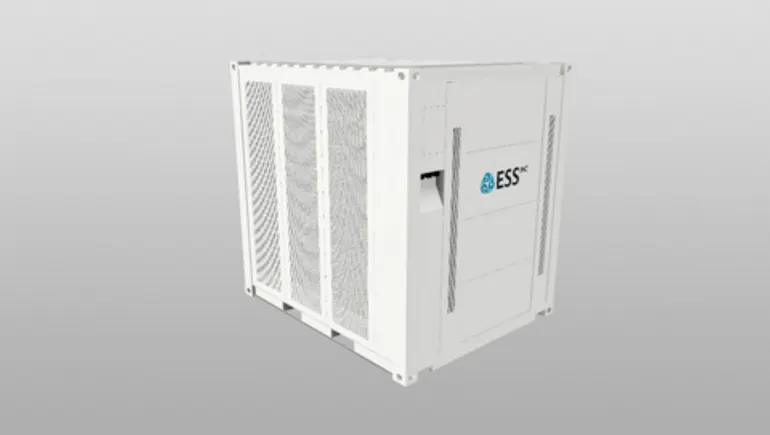
On July 8, ESS Tech announced the launch of a modular sodium-ion battery energy storage system called ESS Bridge, with a single module capacity of 1.2 MWh, stackable to 4.8 MWh in a traditional 20-foot battery container, comparable to the capacity of the latest Tesla Megapack iteration. The company stated that since announcing the procurement of 8.5 GWh of sodium-ion battery cells and modules from Alsym Energy at the end of April, it has attracted over $1 billion in early-stage customer opportunities.
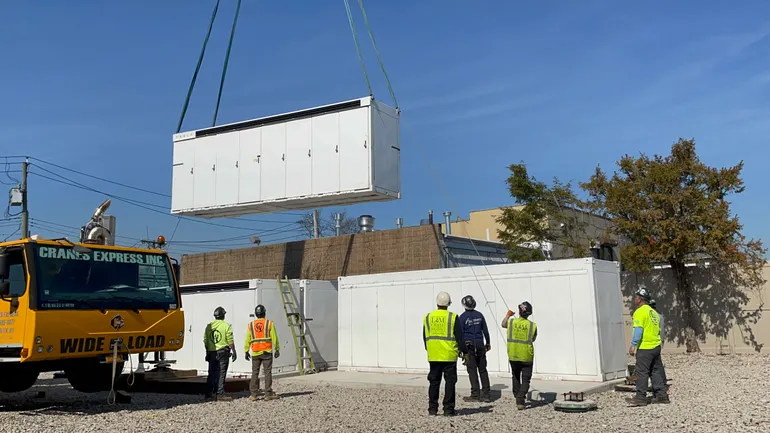
This article explores how distribution networks, through distributed capacity procurement (such as Xcel Energy's Capacity*Connect program), become key platforms for improving grid utilization, reducing electricity bills, and promoting economic growth.
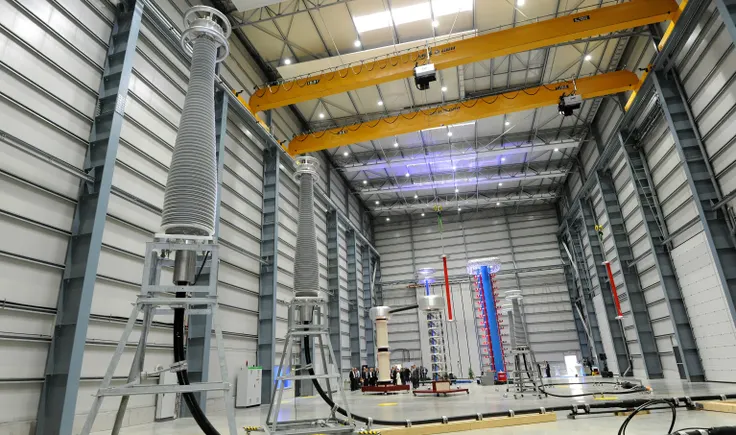
The energy shock caused by recent events in the Middle East has revealed that the global power supply chain, after the COVID-19 pandemic and the 2022-2023 crises, has no buffer left. KEMA Labs analysis indicates that fuel shortages, rising costs of critical materials, logistics congestion, and project standstills are compounding to create systemic strain. More concerning, accelerated procurement and relaxed qualification standards are leading to a silent decline in equipment quality—many products are failing independent certification tests. In this urgent market environment, rigorous type testing and independent verification have become the last line of defense against quality risks and for maintaining grid resilience.
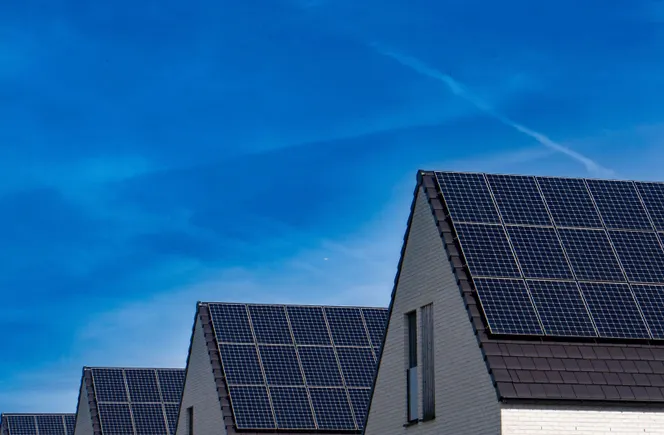
Australian resident Sam's electricity bill showed a credit balance of over 700 Australian dollars (about 500 US dollars), thanks to a flexible energy system comprising rooftop solar, home batteries, and an electric vehicle. Australia has the highest penetration of distributed energy in the world, with 40% of homes equipped with rooftop solar, totaling 28.3 gigawatts of installed capacity, exceeding the nation's coal-fired power capacity; nearly 5% of households have batteries, with over 400,000 new installations between July 2025 and June 2026. In the United States, residential solar coverage is about 9%, and battery installation rates are below 1%, with the main gaps being hardware costs and the lack of pricing mechanisms that value flexibility. Facing a surge in data center electricity demand over the next decade, the United States can learn from Australia's subsidy policies, virtual power plant rules, and rate design to integrate distributed energy into core grid planning.
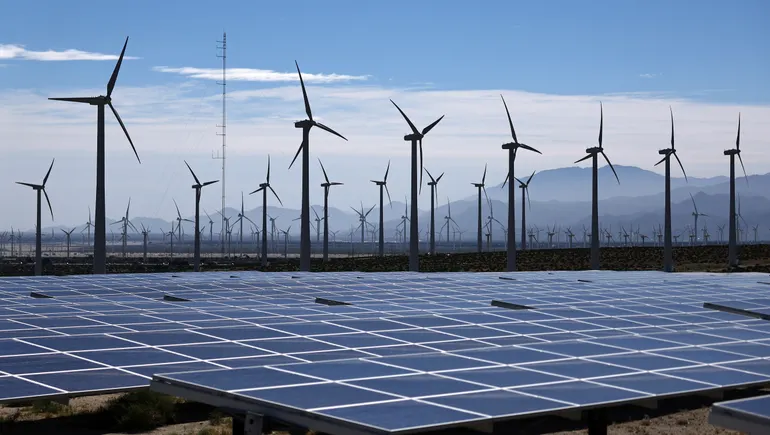
KKR announced on June 30 that it will acquire the North American operating assets of EDF power solutions for $4.2 billion, with the transaction potentially including up to $390 million in additional payments. The investment firm stated that this move aims to support the growing electricity demand in the United States driven by AI data centers, manufacturing reshoring, and electrification, and plans to fund the transaction through its global infrastructure strategy.