


Latest news
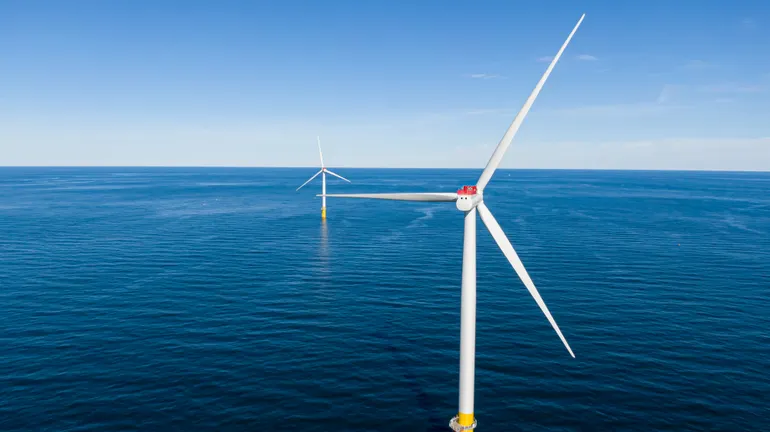
Dominion Energy disclosed on Friday (July 31) that its total cost estimate for the Coastal Virginia Offshore Wind project has risen to approximately $11.7 billion, an increase of $288 million from April, due to PJM grid upgrade costs, Trump administration tariffs, and adjustments to turbine installation schedules. The project's completion date has been delayed from early 2026 to the end of 2027. Additionally, the company provided updates on its merger progress with NextEra Energy, its data center pipeline, and plans to sell non-regulated assets.
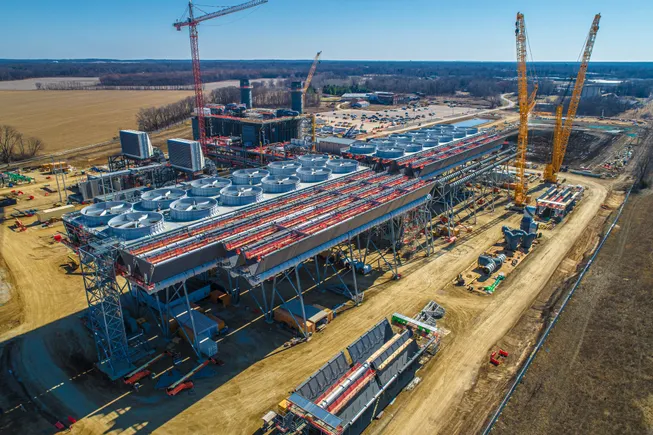
American Electric Power (AEP) CEO Bill Fehrman said on the quarterly earnings call that the company secured 3 GW of gas turbine capacity in the second quarter, bringing total available supply deployable by 2031 to approximately 13 GW, and has locked in options for an additional 10 GW of turbines by 2035. Suppliers are GE Vernova and Mitsubishi. AEP Ohio also reached an agreement to acquire the 710 MW coal-fired Longview plant in West Virginia and purchased permits to build a 1.2 GW gas-fired plant at the same site. The company plans to execute a $78 billion capital plan from 2026 to 2030, with power generation investments viewed as the core of long-term growth.
DTE Energy reported second-quarter earnings on July 28, proposing not to file for rate increases until 2028 if the 1.4GW Oracle data center comes online as planned by the end of 2027 and other regulatory approvals are obtained. The company also disclosed that a contract to power Google's 1GW data center has been submitted for Michigan regulatory approval, with the overall data center pipeline remaining steady at 8.4GW.
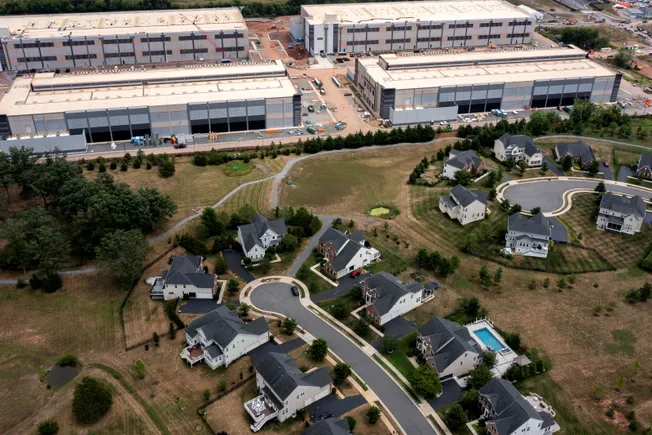
PJM Interconnection submitted a backup auction plan to FERC on Friday, proposing to hold a one-time reliability backup auction from September 30 to October 21 to fill a 6.8-gigawatt capacity shortfall. The auction's total price cap is set at $555 million per megawatt-day, significantly higher than the $325 million per megawatt-day in the previous base auction. The plan also includes a bilateral trading coordination mechanism and relies on states to protect retail customers from cost shifts.

Utilities' years of investment in AMI, sensors, data platforms, and AI pilots have laid the foundation for grid modernization; the current challenge lies in transforming data into faster, more coordinated decisions across the enterprise. The Agentic Grid embeds AI into enterprise operations, enabling systems to continuously monitor, coordinate actions, and improve performance, while humans retain oversight and strategic decision-making responsibilities. This article provides industry leaders with a transformation roadmap: achieving improvements in resilience, efficiency, and customer outcomes through modernized decision models, establishing governance frameworks, purposefully scaling capabilities, and workforce readiness.

Home Energy Reports (HERs) have been used as a utility energy-saving strategy for over 15 years. PG&E Senior Manager Michael Burger shared how the company expanded the program starting in 2019 to cover approximately 3.2 million households, developing behavioral tools such as a continuous energy feedback platform, bill forecast alerts, and peak day alerts, while also exploring support for electrification education.

Edison International CEO Pedro Pizarro warned during Thursday's second-quarter earnings call that if the California legislature takes no action before its session ends on August 31, investor-owned utilities in the state could face credit rating downgrades. He noted that no legislative draft addressing soaring wildfire costs has yet been seen, and emphasized that SCE's S&P rating is already at the lowest investment-grade tier (BBB-), and a further downgrade would push it into non-investment grade. The company also disclosed ongoing financial pressures related to the 2025 Eaton fire, including a committed $1.6 billion settlement cost and over 2,000 lawsuits.
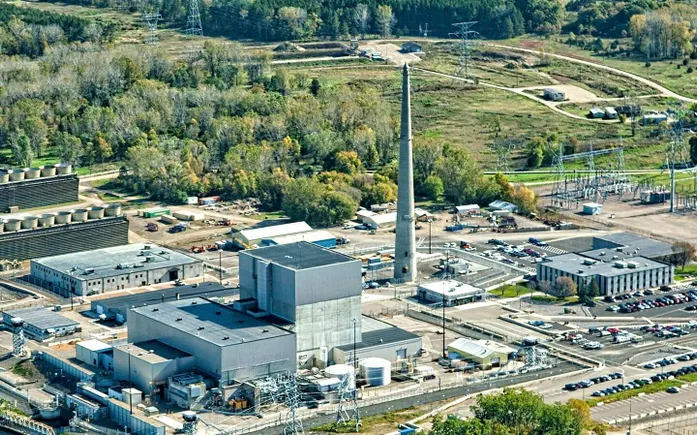
Xcel Energy executives said on the second quarter earnings call that the company's 2026-2030 base capital investment plan is approximately $60 billion, with the potential to add $10 billion for new transmission and generation resources to support data center demand growth. The company expects weather-adjusted retail electricity sales to grow by 3% for the full year and reaffirmed its 2026 ongoing earnings guidance of $4.04-$4.16 per share.
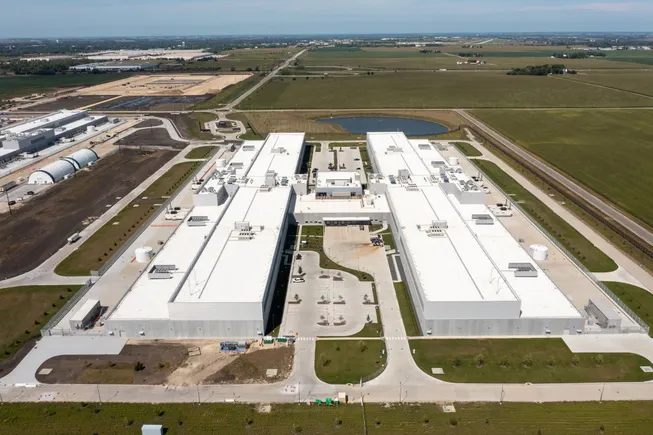
Chicago utility Exelon said Thursday that its 'high-probability' data center load fell to about 11 gigawatts in the second quarter from 18 gigawatts at the end of last year, a decline of nearly 40%. The company is screening projects through transmission security agreements (TSAs) while advancing energy storage and efficiency projects to address capacity challenges in the PJM market.
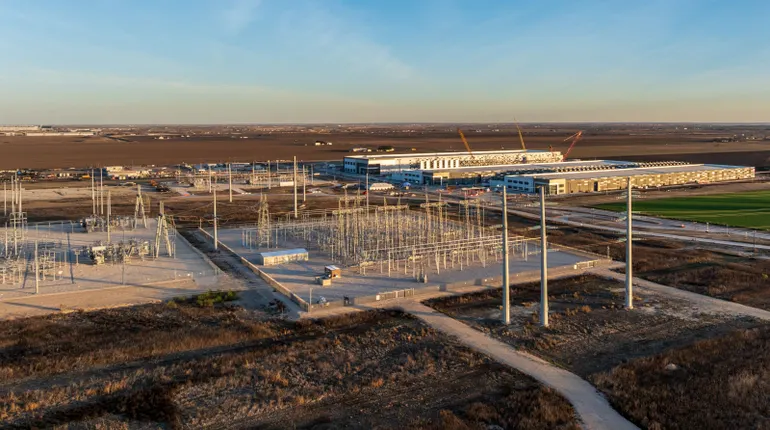
Last week, the Texas Public Utility Commission approved a net metering arrangement allowing a 260 MW AI data center to co-locate with a wind farm of roughly equivalent capacity, but denied the developer's request for exemption from load curtailment requirements. The decision requires the data center to curtail its full load within 30 minutes during grid emergencies and prohibits it from participating in paid demand response. This case is seen as one of the first major tests of Texas's SB 6 law and may set a precedent for future co-location projects.