


Latest news

Texas grid operator ERCOT saw a new unofficial all-time peak demand on July 22, but a market report from Ascend Analytics warns that supply constraints—including gas turbine shortages and interconnection bottlenecks—will limit growth to 120 GW by 2030, far below ERCOT's own forecasts. The report highlights challenges in financing new dispatchable generation and storage under the energy-only market.
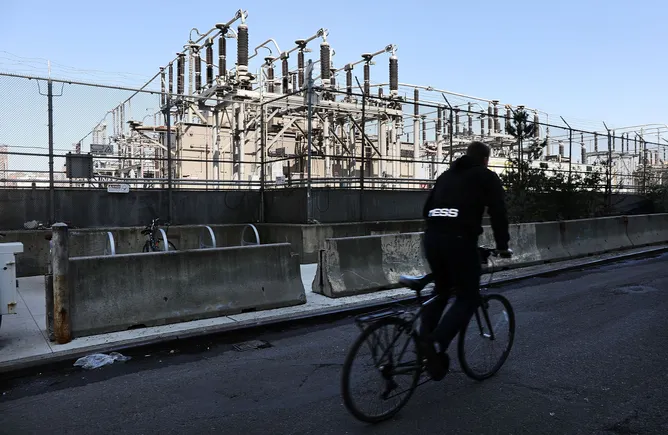
ConEd's CECONY and O&R reported combined second-quarter electricity revenue exceeding $3.1 billion, up over 10% year-over-year. The company plans to build 28 new substations by 2035 and invest approximately $37.2 billion in distribution network upgrades to address climate policies and load growth.
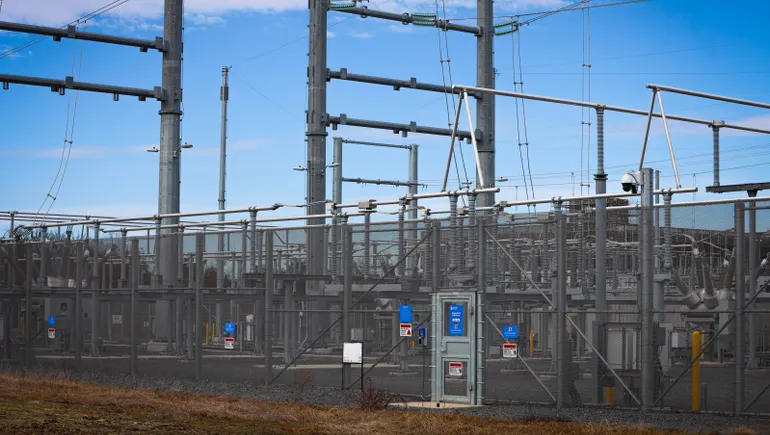
On July 31, the Virginia State Corporation Commission (SCC) issued an order requiring Dominion Energy to adjust its transmission cost allocation policy, directly allocating the construction costs of certain transmission infrastructure, such as substations and transmission lines, to large-load users like data centers. The order also approved Dominion's revised 12CP allocation factor, reducing the typical residential customer's average monthly cost increase from $2.90 to $0.94, a decrease of 67.5%. Dominion must submit a revised line extension policy within 90 days.

Colorado Public Service Company (PSCo), unable to connect two wind projects totaling over 1 GW due to a roughly 550-foot easement dispute, has requested the state Supreme Court's intervention. After a lower court rejected its eminent domain application, PSCo has also filed an appeal with the state Court of Appeals.
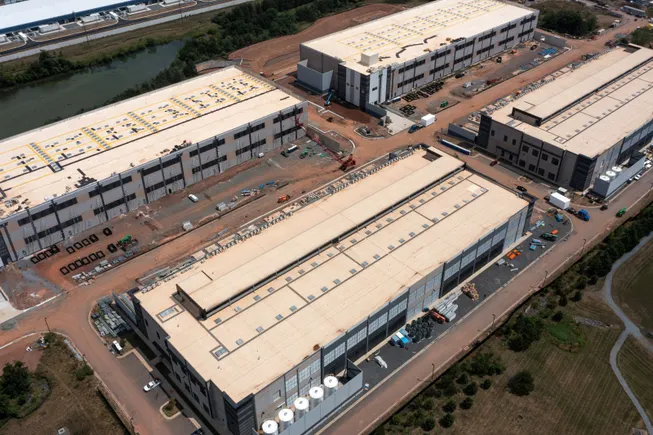
PJM Interconnection stated that, following the disconnection of approximately 3,800 megawatts of data center load in northern Virginia on July 22 due to a 230 kV line fault, it is considering strengthening grid connection reliability requirements for computing loads such as data centers and cryptocurrency mining facilities, including ride-through standards. This event, the largest of its kind in PJM's history, has raised concerns about load sensitivity.
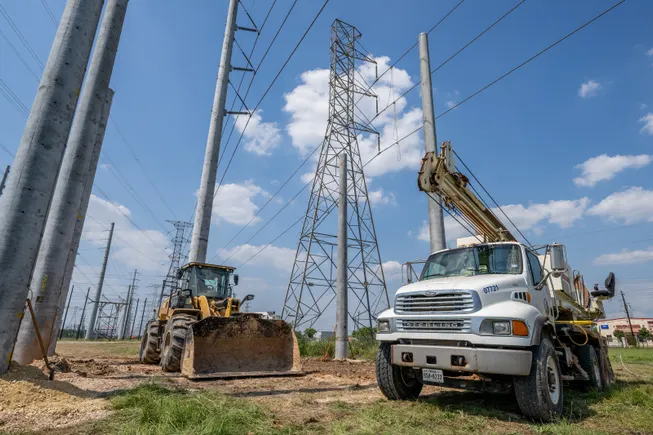
PwC projects that U.S. infrastructure investment needs will reach $32.7 trillion by 2050, with annual electricity spending rising from $153.2 billion in 2024 to $371.2 billion by 2050. However, abundant funding does not guarantee project success. This article proposes that infrastructure should be planned as an interconnected system, ensuring capital translates into long-term value through early coordination, financing discipline, flexibility, and policy clarity.

About a decade ago, home backup power options were limited and costly. Today, battery subscription models have emerged, allowing users to access energy storage devices with low barriers and pay monthly. Utility Dive's survey shows that this model is developing rapidly in places like Texas and Illinois, potentially easing grid pressure, but its economic viability depends on market rules and virtual power plant policies.

Caterpillar reported second-quarter results with record sales and revenue of $20.5 billion, up 24% year-over-year, driven by demand for data center generators, bulldozers, and other industrial equipment. The CEO stated that customer orders are booked through 2030 and announced the restart of the 10-megawatt medium-speed gas engine platform.

Evergy executives said on Thursday's second-quarter earnings call that the company has signed 2.5 GW of power service agreements with data centers under its large load power supply tariff, plus an additional 500 MW of smaller large load agreements not covered by that tariff. The company plans to build over 5 GW of generation capacity by 2032, including 3.9 GW of natural gas, nearly 800 MW of solar, and 450 MW of battery storage.
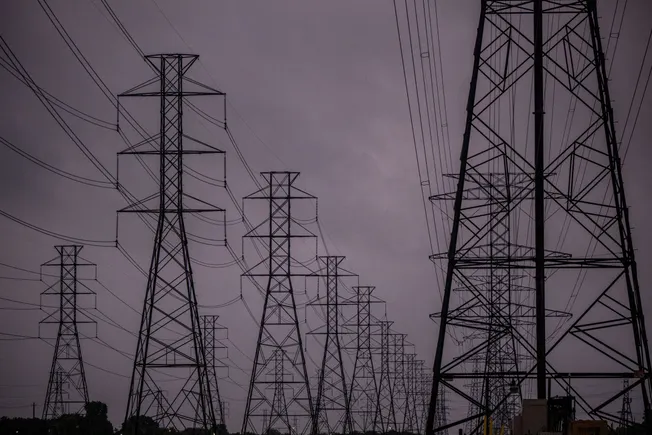
Facing an aging grid and surging demand, several traditional utility companies in MISO and SPP jointly petitioned FERC to suspend competitive transmission bidding for five years. However, the response from neutral operator MISO, multi-regional research by the R Street Institute, and multiple legal precedents all refute their claims of "delays and high costs." Data shows that competitive projects not only finish ahead of schedule and save approximately 30% in costs but also promote participation by non-incumbents and innovation. FERC's recent reform focus has been on large load interconnection rules rather than the competitive bidding system.