


Logistics
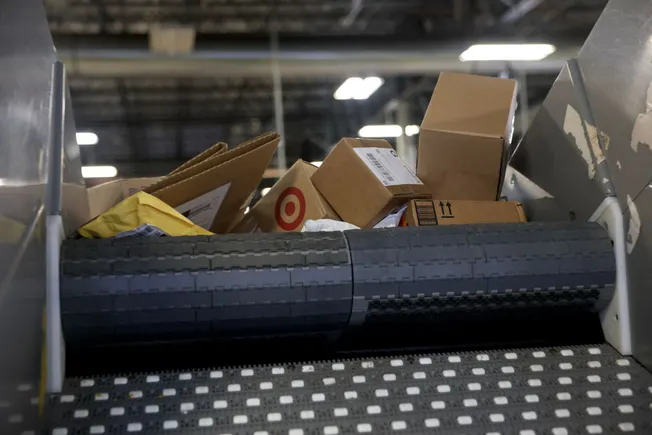
As the U.S. Postal Service implements major changes under its 'Delivering for America' plan, package consolidators are adjusting strategies. Leaders from DHL eCommerce, OSM Worldwide, and ACI Logistix discuss how they are navigating new entry-point rules, ounce-based pricing elimination, and exploring growth in heavier shipments and alternative delivery partners.
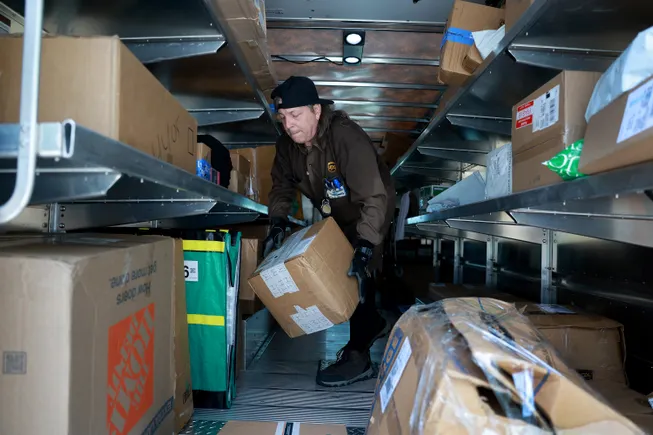
Temu and Shein's rapid growth has boosted U.S. parcel volumes, with each marketplace contributing about 900,000 daily packages in July. Carriers like UPS have seen renewed demand, but the de minimis exemption's uncertain future and low shipping rates create profitability challenges. Industry experts weigh the risks and opportunities for last-mile providers.
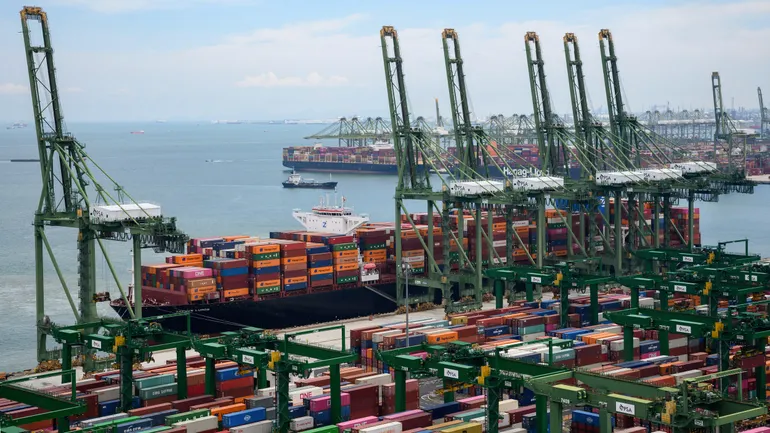
Ocean freight rates have more than doubled since January, driven by the Red Sea crisis, longer transit times, and port congestion. Industry experts explain the dynamics and offer advice for shippers facing elevated costs.
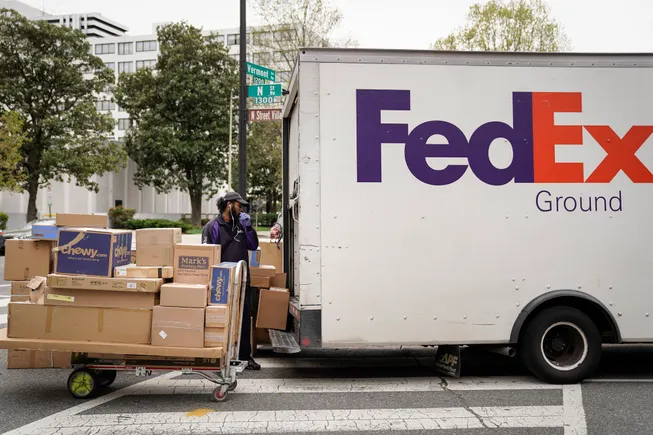
UPS and FedEx are intensifying competition for small and medium-sized business (SMB) shippers, a segment that offers higher profit margins and growing volume. Both carriers have launched initiatives to attract these customers, while Amazon's in-house logistics and other carriers pose additional challenges.
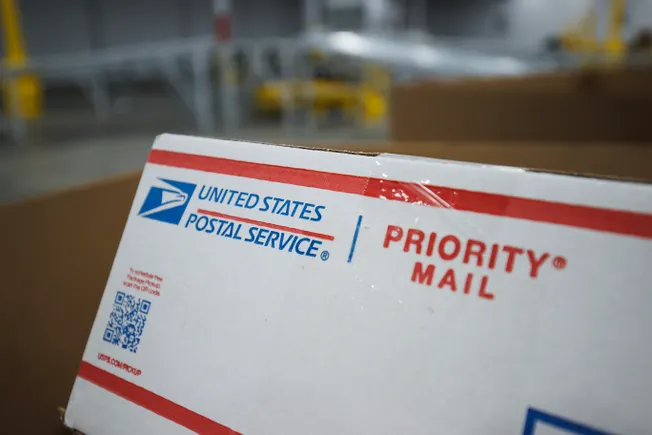
The U.S. Postal Service is exploring a shift away from delivery unit injection for shipping consolidators, a move that could raise costs and complicate service reliability. Industry experts and partners express concerns as the agency advances its network overhaul under the 'Delivering for America' plan.
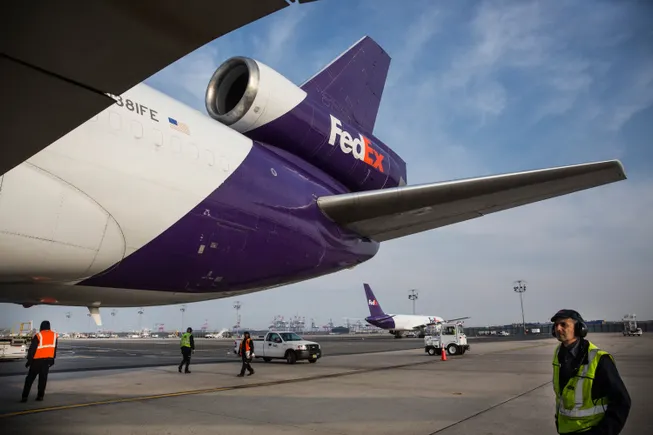
FedEx's air cargo network faces major restructuring after its U.S. Postal Service contract expires Sept. 30, with UPS taking over as primary air cargo provider. Analysts project potential cuts of 50% in daytime flight capacity and $1.5 billion in savings, while FedEx's DRIVE program and parked aircraft signal aggressive cost-reduction efforts.
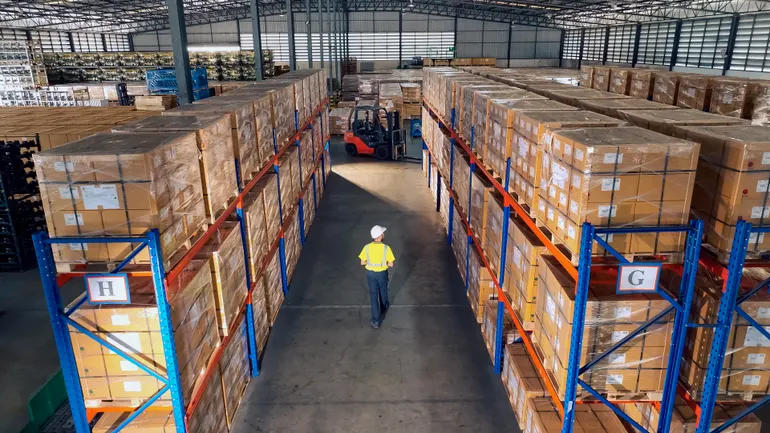
As the freight market shows signs of stabilizing, experts recommend shippers secure low trucking rates now. Carriers hint at improving trends, and while rates have bottomed, a dramatic spike is unlikely. Strategic planning and carrier partnerships are key.

As 2024 approaches, parcel shippers may reduce the number of delivery providers they use, reversing the diversification trend seen during the pandemic. Major carriers' discounting strategies and softer demand could pressure regional carriers, though alternative providers still offer value through partnerships and service improvements.

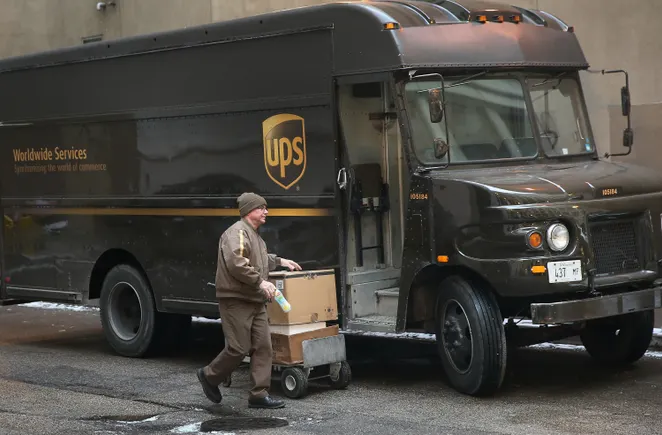
FedEx and UPS will implement 5.9% average rate increases in late December 2023 and January 2024, respectively. The hikes vary by distance, weight, and service type, with expedited and long-distance shipments facing the largest increases. Experts advise shippers to leverage soft demand to negotiate better contracts and adjust packaging to mitigate costs.