
Deepseek
来自我们记者的行业洞察
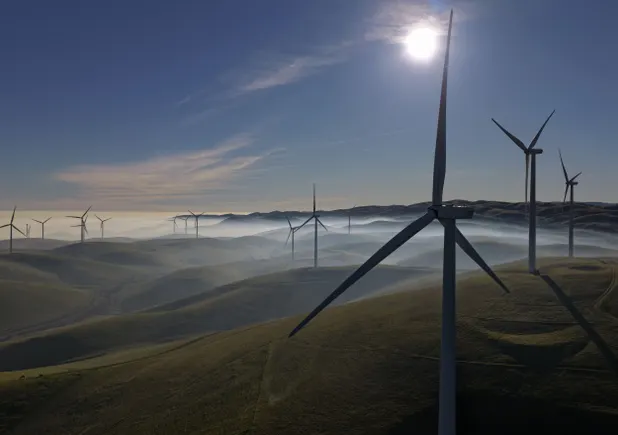
In 2026, the U.S. renewable energy industry faces significant resistance from Trump administration policies, including tightened tax credits under the One Big Beautiful Bill and delays in federal land approvals. However, surging electricity demand, faster deployment of renewables compared to fossil fuels, and proactive state-level policies may turn the tide for the industry. Industry leaders call for discipline amid uncertainty, focusing on viable projects and exploring new financing and technological solutions.
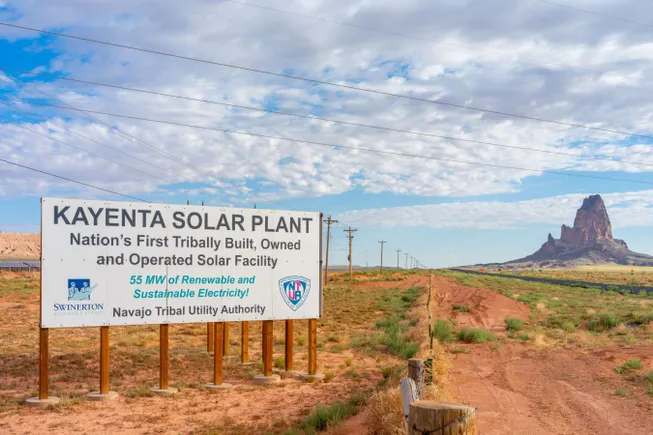
After the Trump administration canceled federal clean energy grants, tribal nations are advancing solar projects through alternative avenues such as loans, philanthropy, and private capital. Relevant organizations are leveraging prior planning efforts and developing new tools and curricula to attract investment, while addressing the employment and economic impacts of funding disruptions.
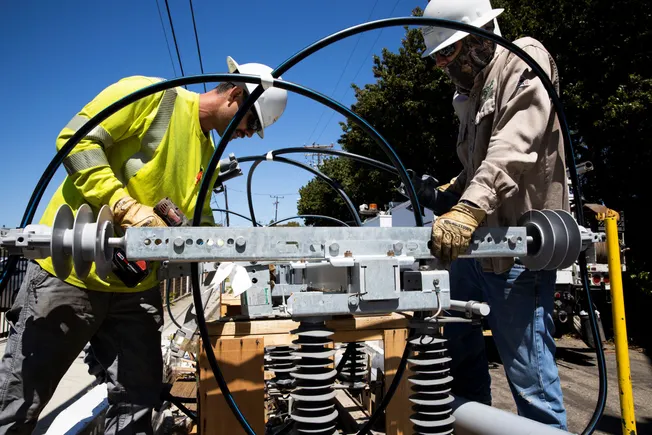
A U.S. Department of Energy study finds that utilities can accelerate innovative applications through smarter pilot designs to address load growth and affordability challenges. The Lawrence Berkeley National Laboratory report notes that current pilots are often redundant and lack a path to scale, but some utilities have achieved rapid scaling through frameworks such as regulatory sandboxes.
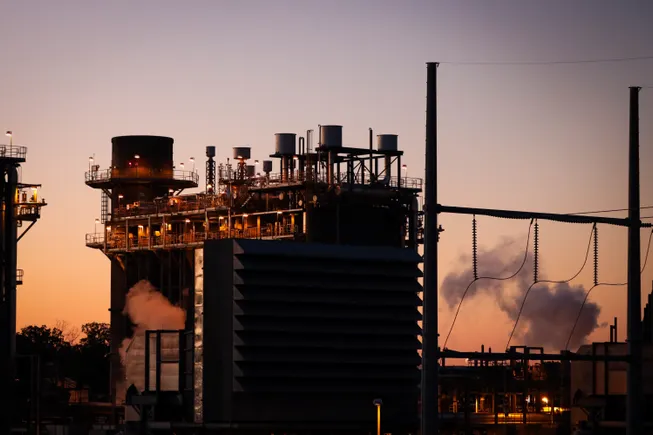
Twenty-five years ago, data center demand drove a boom in U.S. natural gas power plant construction, but after the dot-com bubble burst, demand fell short of expectations, leading to overcapacity. Now, AI electricity demand is again sparking a natural gas investment boom, but analysts point out that U.S. natural gas production, power generation mix, renewable energy development, and the regulatory environment have changed significantly, and investment risks remain.
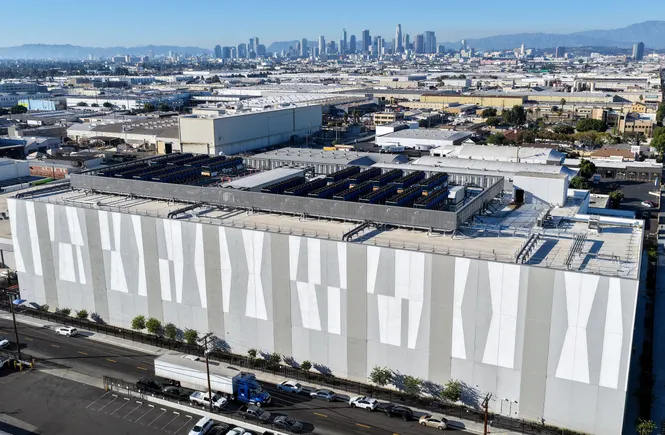
The U.S. power industry is facing upward pressure on electricity prices driven by growth in data center and industrial loads. Industry experts and stakeholders state that policy incentives for large-load customers and distributed resources to participate in demand response can effectively reduce peak demand, minimize unnecessary grid investments, and thereby control customer costs while ensuring reliability.
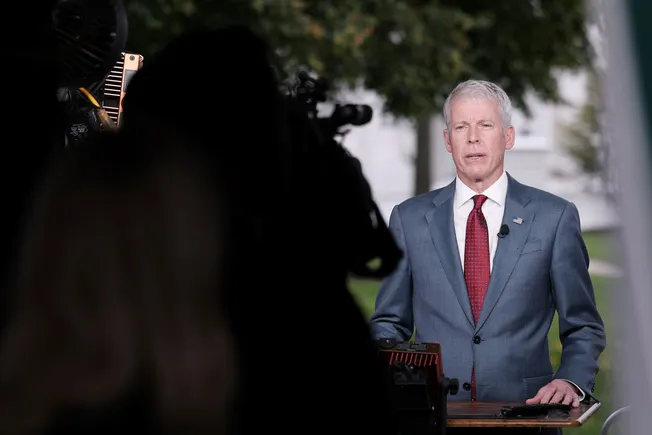
As U.S. electricity demand grows and the share of wind and solar power increases, concerns about the reliability of renewable energy are rising, even at the highest levels of the federal government. However, grid planners, operators, and analysts believe that wind, solar, and batteries are important components of the evolving power system, and that intermittent resources can be reliably dispatched through advanced software and other tools. They also note that the levelized cost of electricity for renewables and their competitiveness in automated energy markets are key reasons why the market continues to choose them.
Clean energy developers and tax experts are closely monitoring the upcoming foreign entity of concern (FEOC) guidance from the U.S. Treasury Department to address new compliance challenges brought by the One Big Beautiful Bill. Industry insiders note that FEOC rules are complex and fraught with uncertainties, which may affect project financing, tax credit choices, and the industry landscape.