


Corp News
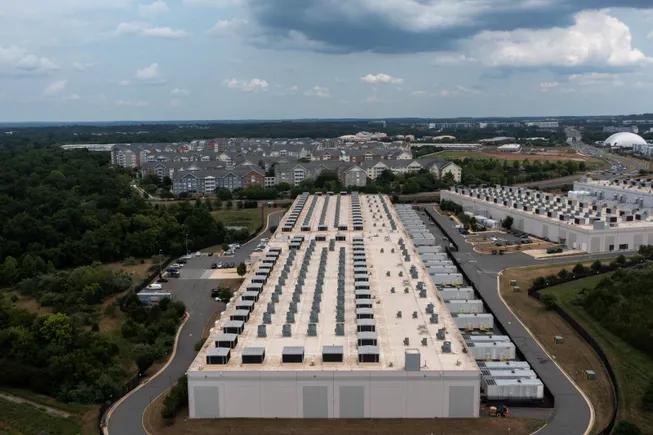
During its Q2 2026 earnings call, FirstEnergy disclosed that its utility companies have signed contracts to serve 6.4GW of data center load through 2035, up 50% from Q1, and expects to sign another 1.5GW within two weeks. The company's total data center demand, including potential customer pipeline, grew 30% quarter-over-quarter to 24.8GW, with the West Virginia pipeline surging 155% to 4.1GW. The company is also advancing the Maidsville Energy Center project and has signed the White House Taxpayer Protection Pledge.
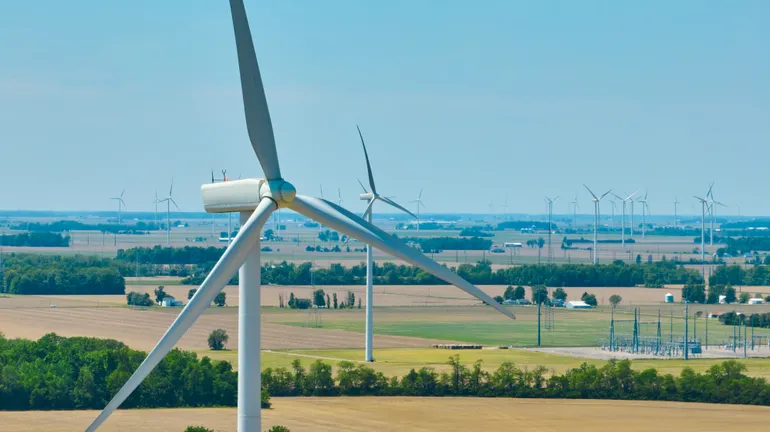
CMS Energy announced on Tuesday that it will sell the renewable energy development business under its unregulated subsidiary NorthStar Clean Energy Services to streamline its corporate structure and focus on core utilities. The plan is expected to generate approximately $500 million in net proceeds and enable nearly all of its earnings to come from regulated utilities after 2027. The company also disclosed challenges including a decline in second-quarter earnings, uncertainty regarding data center projects, and rising operating costs for the continued operation of the J.H. Campbell coal-fired power plant.
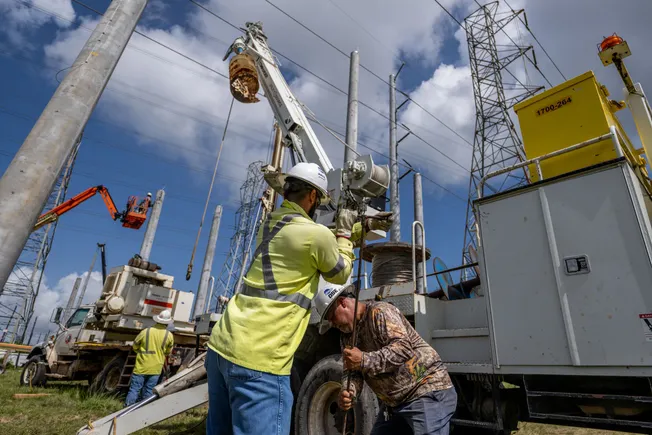
CenterPoint Energy said in its second-quarter earnings call that it has submitted more than 17GW of projects to ERCOT's new large load interconnection process, expecting about 14GW to qualify as base load or study load.
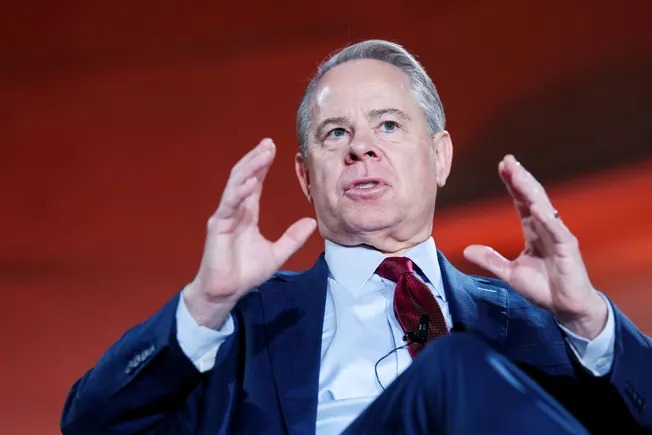
NextEra Energy executives said on the second-quarter earnings call that the merger with Dominion Energy is expected to close by the end of 2027, with the combined company achieving an annual growth rate of 11%. The company also disclosed its renewable energy project pipeline, progress in government negotiations, and FPL business updates.
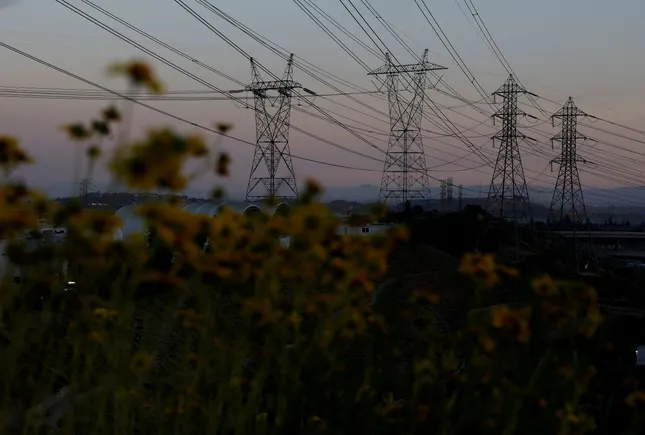
Pacific Gas and Electric Company (PG&E) disclosed during its second-quarter earnings call that its data center pipeline has reached 12.7 GW, with 490 MW of projects having signed interconnection agreements and 3.9 GW in the final design stage. The company emphasized project quality over scale and expects to add 1.8 GW of data center load by 2030.
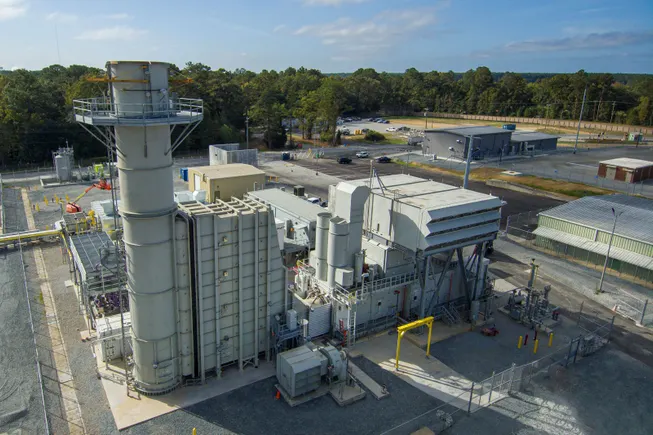
GE Vernova reported second-quarter results with double-digit growth in both revenue and orders, mainly driven by strong performance in the power and electrification businesses. Gas turbine backlog increased from 100 GW in the first quarter to 116 GW, and the company expects it to reach 125 GW by year-end. The electrification business backlog exceeded $40 billion, up 69% year-over-year. Wind power orders declined 40% year-over-year, but the company mentioned a potential replacement cycle that could bring a turnaround.
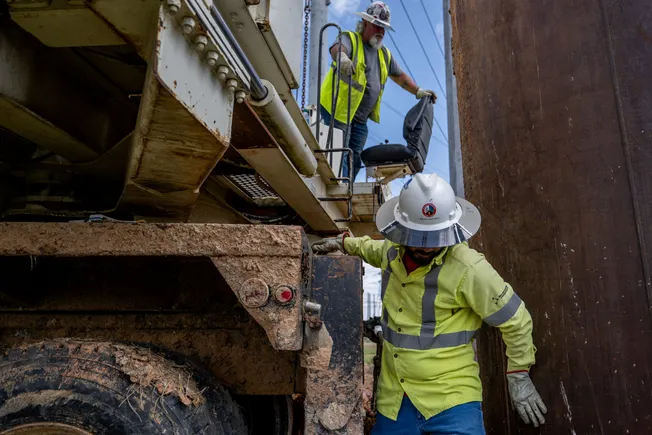
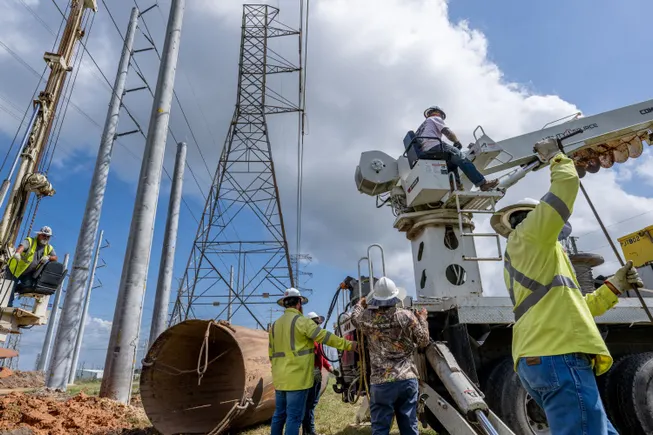
With the rapid development of artificial intelligence, U.S. power companies are facing unprecedented pressure to expand the grid, but a shortage of skilled engineers and technicians is becoming a key bottleneck constraining project implementation. Based on industry analysis, this article explores the importance of talent as critical infrastructure and proposes multi-level solutions ranging from recruitment and training to policy support.
U.S. electricity demand is experiencing its steepest sustained growth since the Eisenhower era, yet policymakers are targeting utilities' return on equity and investment capacity. The author, Scott Aaronson, former senior vice president of the Edison Electric Institute, points out that cutting returns will not lower electricity bills but will instead raise capital costs, weaken grid resilience, and ultimately harm all consumers.
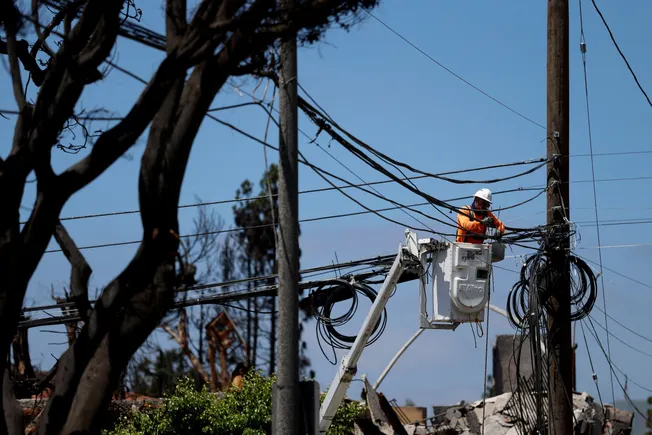
Lawrence Berkeley National Laboratory (LBNL) released its 2026 retail electricity price trends update this month, showing that U.S. inflation-adjusted retail electricity prices rose 2.6% from 2024 to 2025, exceeding inflation over the same period. The report predicts that electricity prices may continue to rise in the near term, as utility rate increase requests hit multi-decade highs and regulatory approval rates remain high. Since 2019, nominal residential electricity prices have risen 33%, while commercial and industrial prices have increased 26% and 27%, respectively. Although the national average real electricity price remains below 2010 levels, regional differences are significant, with California and several northeastern states leading the increases.
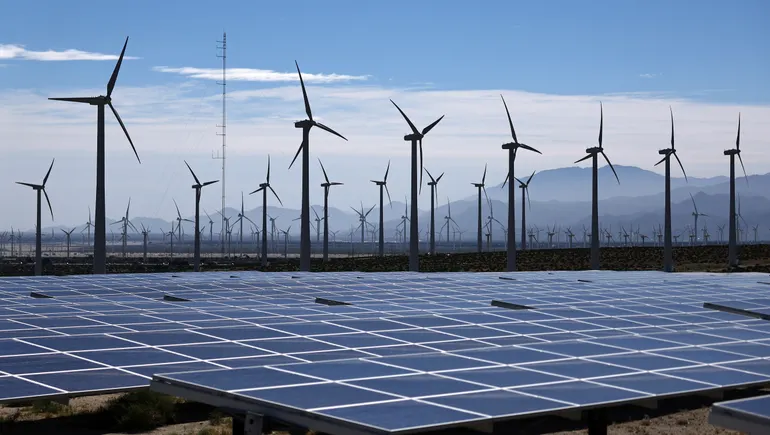
KKR announced on June 30 that it will acquire the North American operating assets of EDF power solutions for $4.2 billion, with the transaction potentially including up to $390 million in additional payments. The investment firm stated that this move aims to support the growing electricity demand in the United States driven by AI data centers, manufacturing reshoring, and electrification, and plans to fund the transaction through its global infrastructure strategy.