


Regs

Property risk in the natural resources industry is undergoing a critical shift from "severity" to "continuity." When processing facilities are damaged by wildfires or logistics hubs are hit by floods, physical losses are immediate, but the financial consequences—earnings compression, liquidity strain, contractual pressure, and rating sensitivity—often persist for multiple quarters. In capital-intensive industries with high asset concentration, property losses have become balance sheet events. However, many property insurance programs remain anchored to historical loss assumptions and standardized market structures, and this mismatch is amplifying volatility. Experts at Aon point out that relying solely on historical data is no longer sufficient to support future capital decisions, making forward-looking analysis and scenario stress testing increasingly critical. The industry is facing challenges such as extended reconstruction cycles and the systematization of concentration risk, and companies need to treat retention decisions as capital allocation decisions, proactively managing volatility through alternative solutions such as parametric insurance and catastrophe bonds.
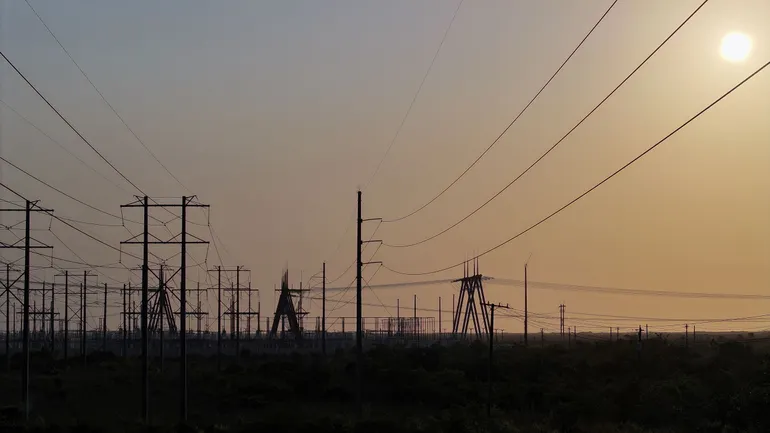
At a Tuesday hearing before the Florida Public Service Commission, Duke Energy Florida proposed not to set new rates for large-load customers, stating that its existing proposed rate provisions can prevent data center costs from being shifted to other ratepayers. Florida Public Counsel Walt Trierweiler countered that the proposal fails to meet the basic requirements of SB 484, and Duke's argument that a settlement agreement exempts it from statutory obligations is unfounded.
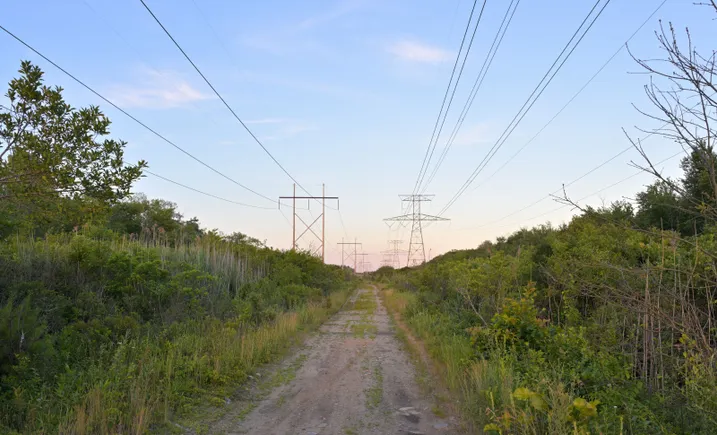
ISO New England has submitted a proposal to FERC to conduct independent reviews of "asset condition" transmission projects starting January 1, 2026, but with only advisory recommendations and no decision-making authority. This move has received unanimous support from stakeholders and is accompanied by legislative and oversight calls from Connecticut Senator Blumenthal.
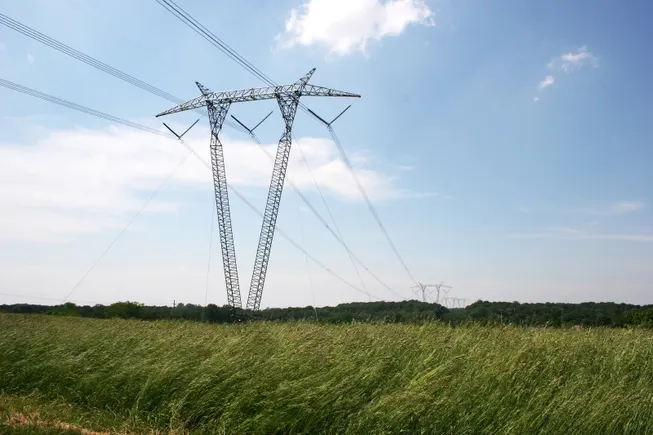
The Federal Energy Regulatory Commission (FERC) on Friday approved a cost allocation framework for transmission projects planned by the Midcontinent Independent System Operator (MISO) but to be built within the PJM Interconnection region. Under the framework, Exelon subsidiary Commonwealth Edison (ComEd) will build a portfolio of projects totaling approximately $904 million, while Duke Ohio will build projects valued at $5.3 million. FERC also rejected calls for competitive bidding on these projects.
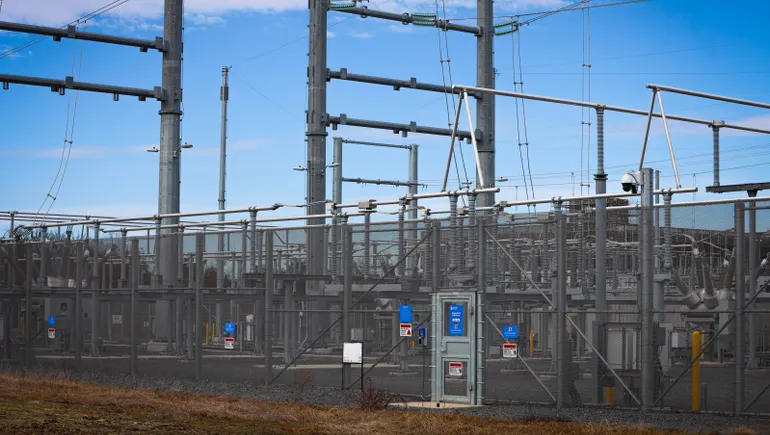
On July 31, the Virginia State Corporation Commission (SCC) issued an order requiring Dominion Energy to adjust its transmission cost allocation policy, directly allocating the construction costs of certain transmission infrastructure, such as substations and transmission lines, to large-load users like data centers. The order also approved Dominion's revised 12CP allocation factor, reducing the typical residential customer's average monthly cost increase from $2.90 to $0.94, a decrease of 67.5%. Dominion must submit a revised line extension policy within 90 days.
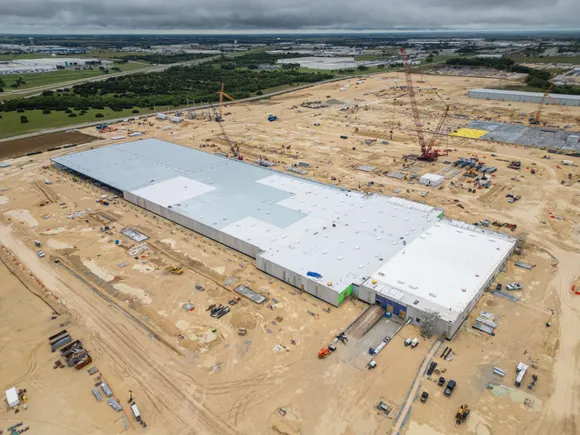
BloombergNEF (BNEF) said in an analysis on Wednesday that Texas's suspension of data center grid connection reviews could put about 20% of data center projects nationwide at risk of delay. Governor Greg Abbott announced the suspension on Monday, affecting nearly 49.8 gigawatts of projects and triggering a comprehensive audit of the ERCOT interconnection queue. BNEF estimates that if 60% of the delayed capacity is AI-related, data center revenue losses could reach $8 billion by the first quarter of 2027.

Texas Governor Greg Abbott ordered an audit of all data center projects in the ERCOT interconnection queue, as total interconnection requests reached approximately 474 GW, exceeding the state's historical peak electricity demand by more than five times, with about 90% of new electricity requests coming from data centers. ERCOT subsequently postponed the Batch Zero transmission planning study and plans to request a schedule waiver from the PUCT.
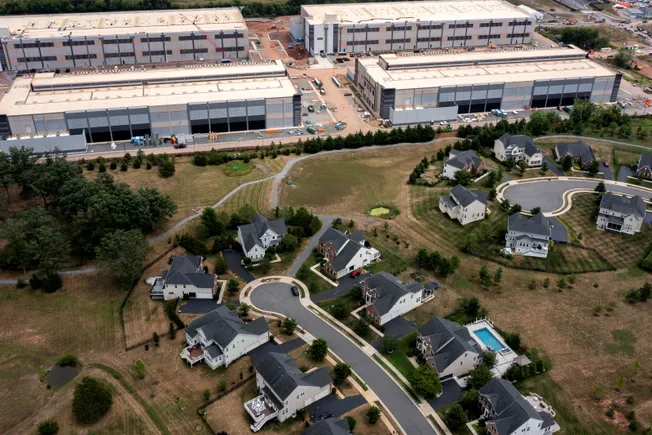
PJM Interconnection submitted a backup auction plan to FERC on Friday, proposing to hold a one-time reliability backup auction from September 30 to October 21 to fill a 6.8-gigawatt capacity shortfall. The auction's total price cap is set at $555 million per megawatt-day, significantly higher than the $325 million per megawatt-day in the previous base auction. The plan also includes a bilateral trading coordination mechanism and relies on states to protect retail customers from cost shifts.

Utilities' years of investment in AMI, sensors, data platforms, and AI pilots have laid the foundation for grid modernization; the current challenge lies in transforming data into faster, more coordinated decisions across the enterprise. The Agentic Grid embeds AI into enterprise operations, enabling systems to continuously monitor, coordinate actions, and improve performance, while humans retain oversight and strategic decision-making responsibilities. This article provides industry leaders with a transformation roadmap: achieving improvements in resilience, efficiency, and customer outcomes through modernized decision models, establishing governance frameworks, purposefully scaling capabilities, and workforce readiness.
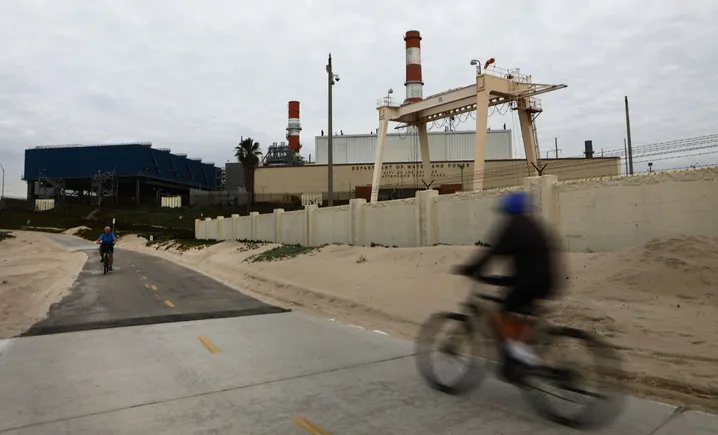
The California Air Resources Board (CARB) released its annual report, stating that its 'cap-and-invest' carbon pricing program has generated a total of $36.2 billion in climate investment funds since it began operating in 2013. Of this, $15.5 billion has been invested in 122 programs, supporting over 600,000 projects, with 76% of deployed funds directed toward disadvantaged and low-income communities. The report also shows that the program has resulted in a reduction of 130.5 million metric tons of carbon dioxide equivalent and saved approximately $44.4 billion in costs.