


DER

The United States is facing a severe wildfire season, and traditional underground cable solutions are costly and time-consuming. This article argues that household and community microgrids can ensure power supply more quickly and economically, citing practical cases from Colorado, Oregon, Texas, and elsewhere, and calls on regulators to reassess investment priorities.

Demand response and virtual power plants are becoming key tools to address load growth in the United States. In Arizona, if approximately 505,000 residential pool pumps were shifted to midday solar peak operation through rate incentives, they could create 820 megawatts of load-shifting capacity in the APS and SRP areas, equivalent to a power plant. This would save customers $83 million annually in electricity costs and avoid $66 million to $164 million in capacity costs.
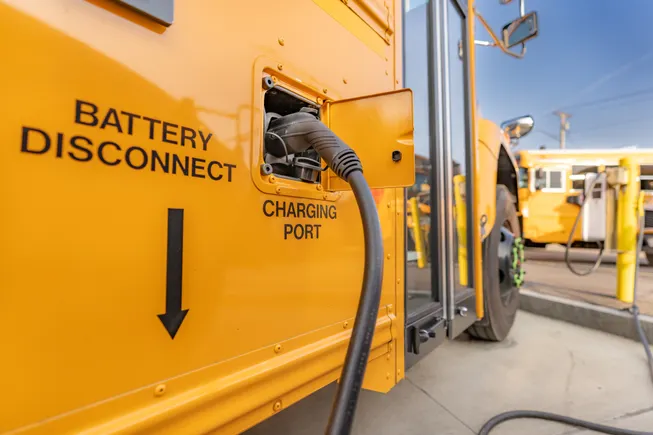
The Massachusetts Clean Energy Center (MassCEC) is advancing a two-year 'Vehicle-to-Everything' (V2X) demonstration project, deploying bidirectional electric vehicle chargers free of charge to eligible residential, municipal, and school customers. The project aims to assess the potential of electric vehicle batteries for backup power, self-consumption, and demand response. Currently, 4 municipal entities, 5 school districts, and over 45 residents are participating, with an expected installation of 70 to 80 chargers by the end of summer. Early data shows promising prospects for electric school buses in grid support and revenue generation, with some vehicles earning up to $12,000 annually through participation in demand response.
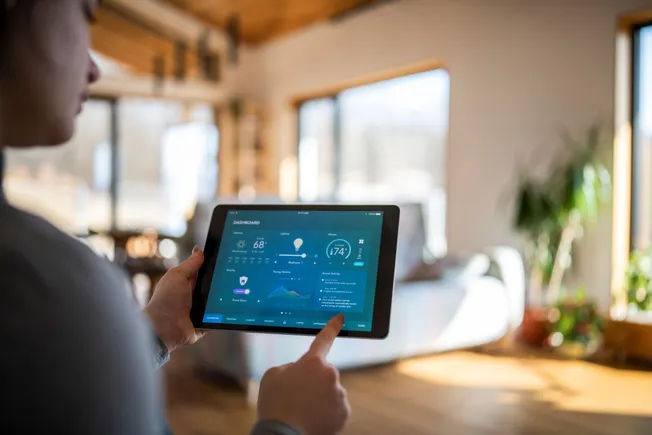
As U.S. electricity demand grows rapidly and electricity price increases outpace inflation, households are being asked to adjust their electricity usage behavior but lack the tools to view real-time usage data. The author argues that real-time electricity usage data should be a basic consumer right and recommends that regulators mandate utilities to provide visualization tools, standardized data sharing, and direct device connectivity.
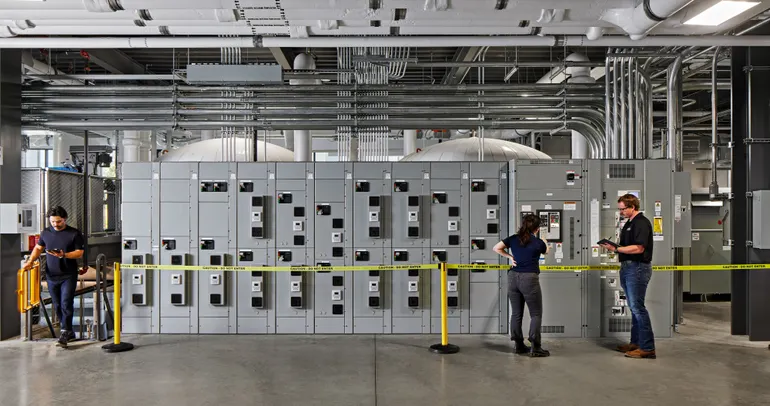
Commercial buildings account for 35% of total U.S. energy consumption, and their flexible load has long been underutilized. Platforms like Edo, through standardized integration and AI pre-configuration, enable buildings to automatically respond to dispatch signals, forming virtual power plant capacity within months. This article analyzes technological breakthroughs, business models, and procurement strategies.
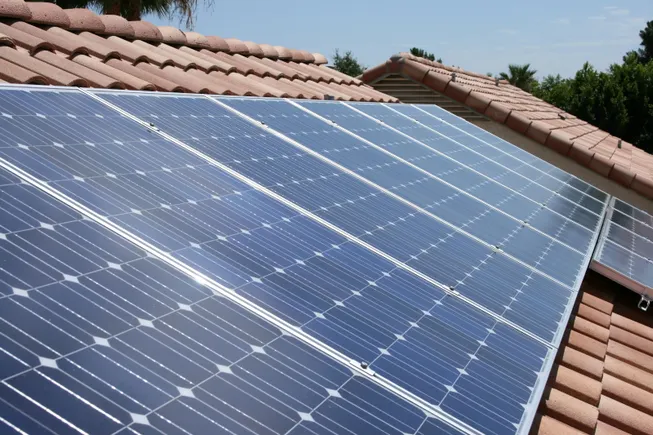
According to the latest Freeing the Grid report by Vote Solar and IREC, New Mexico is the only state in the nation to earn an A grade, thanks to its comprehensive interconnection best practices, storage frameworks, and transparency. The report notes that most states still suffer from interconnection inefficiencies, with over 80% of states scoring a C or lower.
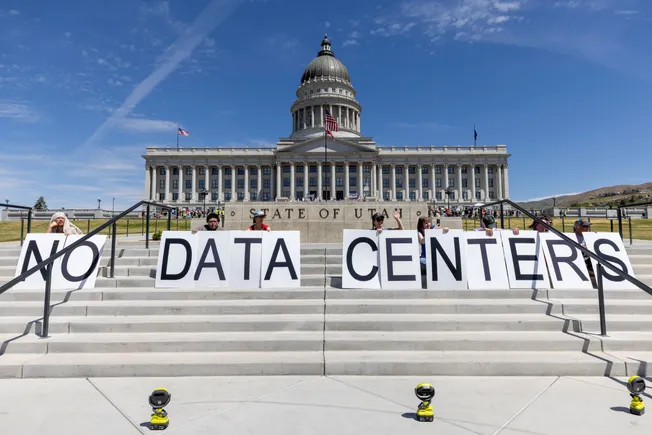
The race among big tech companies to build data centers presents utilities with challenges similar to the streaming wars. This article explores how systematic planning, coordinated regulation, and transparent cost allocation can avoid cost shifting to customers and public backlash.

Edison Avilés, chairman of the Puerto Rico Energy Bureau, stated that the island's power grid is 'hanging between two realities': on one hand, efforts to build a future grid, and on the other, reliance on an aging and fragile infrastructure. The article analyzes key issues such as transmission and distribution reconstruction, renewable energy expansion, rate cases, and the outlook for the next two years.
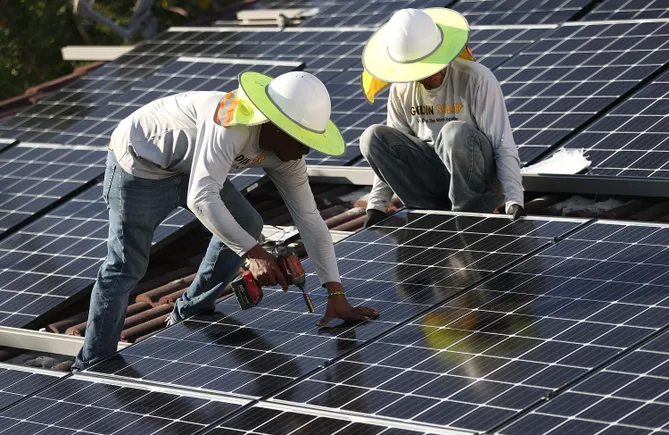
The latest report from the Environmental Defense Fund indicates that in Q1 2026, the U.S. renewable energy manufacturing sector suffered significant employment setbacks, with a net loss of 5,900 jobs and $1.4 billion in canceled investments. Despite a net increase of $1.1 billion in total investments, the industry still faces policy uncertainty and geopolitical pressures.

Virtual power plants (VPPs) are seen as a tool to enhance grid reliability and reduce costs, but monopoly utility companies are trying to dominate this emerging market. Through successful cases in Puerto Rico, California, and other places, this article demonstrates the benefits of competitive markets for consumers and the grid, and calls on regulators to reject proposals by utility companies to monopolize VPP resources.