


Storage

New Jersey Governor Mikie Sherrill signed a series of bills aimed at reducing residential electricity costs, covering state-level review of transmission projects, eliminating the additional rate of return for voluntary PJM membership, and establishing a dedicated rate structure for large data centers.
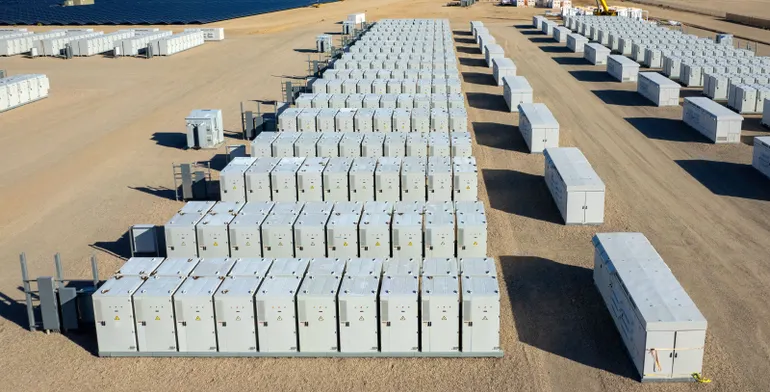
Three major utility companies in Massachusetts have submitted long-term contracts to advance three large-scale energy storage projects with a total capacity of 1,068 MW/4,472 MWh, supporting the state's 5 GW energy storage goal by 2030.

Eversource, an investor-owned utility in New England, announced on June 25 that it will expand its ConnectedSolutions demand response program by launching two targeted pilots in the Boston area and southeastern Massachusetts. The pilots aim to use customer-side resources such as batteries, electric vehicles, and smart thermostats to alleviate local grid overloads during summer heat waves and encourage charging during midday periods of solar surplus.

Officials from the International Zinc Association (IZA) told Utility Dive this week that as energy storage demand surges and lithium supply may face shortages in the coming years, zinc-based batteries are expected to gain broader deployment. However, U.S. zinc battery production is constrained by high scaling costs and safety standards designed for more flammable lithium-ion batteries. IZA Executive Director Andrew Green stated that awareness and acceptance of zinc batteries among end users such as utilities need to be improved. According to U.S. Department of Energy data, there are currently few grid-scale zinc battery installations in the U.S., with most capacities not exceeding 1 MW.