


Generation
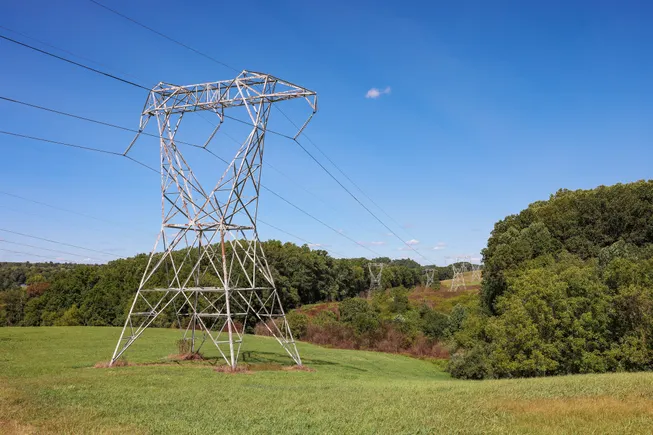
According to a study released Tuesday, a group of 13 "high-value" interregional and intraregional transmission projects in the Eastern Interconnection could generate up to $15.3 billion in net system value by 2050. The study also notes that these projects would lower retail electricity prices, enhance system reliability, and improve resilience to extreme weather events.
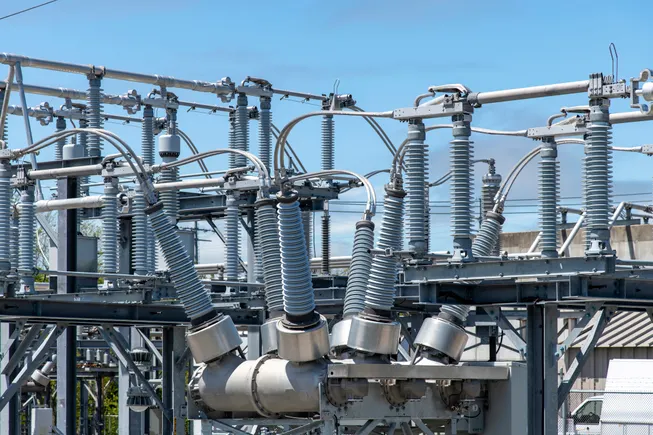
Advanced nuclear technology company Oklo filed an "emergency complaint" with the U.S. Federal Energy Regulatory Commission (FERC) last Friday, alleging that PJM Interconnection improperly removed its 750-megawatt power project, which includes advanced nuclear, natural gas, and fuel cells, from the interconnection study cycle. Oklo stated that PJM's decision would delay this project of "critical national importance" by at least 14 months and significantly increase development costs.
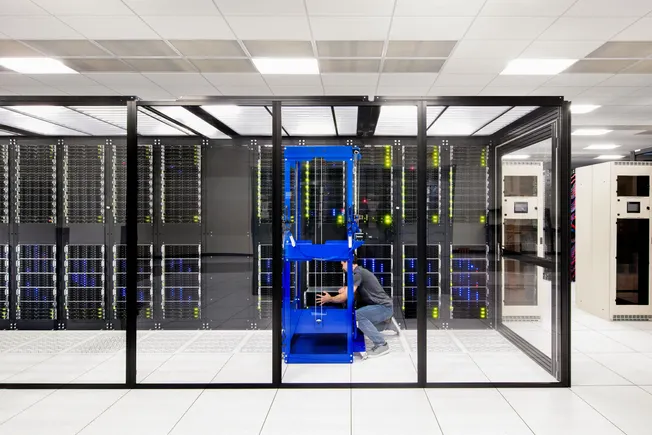
With the rapid adoption of AI technology, data center power demand continues to rise, but power availability, permitting approvals, community opposition, and emission limits are becoming key factors constraining industry growth. Bloom Energy's latest report indicates that developers are accelerating the shift toward on-site power generation and direct current power architecture, with expectations that by 2030, about one-third of U.S. data centers will rely entirely on on-site electricity.

The U.S. Army announced on Wednesday that it has selected five companies to participate in its Janus program, deploying 1-20 megawatt nuclear microreactors at military bases. The project aims to provide resilient power for critical facilities while maintaining connection to the grid. Federal funding is approximately $2.2 billion, with private investment expected to make up the majority. The first reactors are planned to be operational by September 30, 2028.
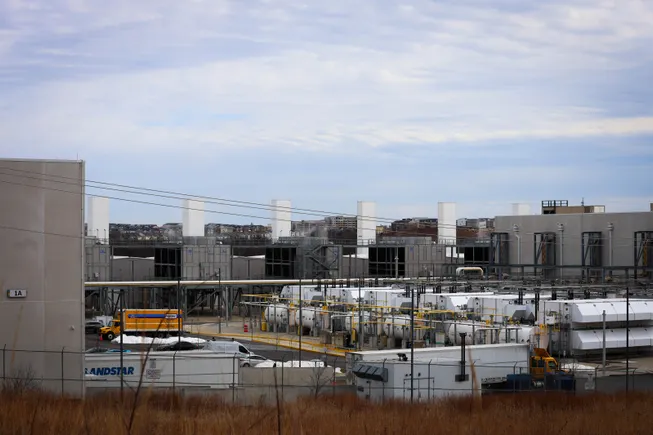
A recent report by PJM's market monitor, Monitoring Analytics, indicates that from January to July 2026, data center load accounted for 9% ($10.48/MWh) of PJM's wholesale electricity price costs, which are passed through the capacity market. Over the past four capacity auctions, growth in data center load increased capacity market revenues by a cumulative $29.4 billion. During the same period, PJM's total wholesale electricity price costs rose 46% year-over-year to $116.53/MWh.
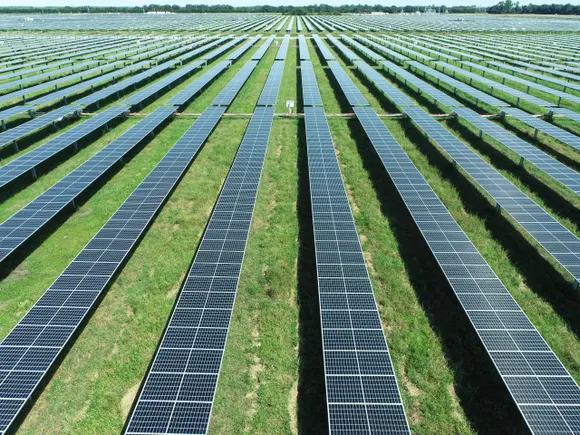
Duke Energy filed its 2026 Carolinas Resource Plan on Monday, recommending 18.5 GW of solar, 14 GW of gas, 13 GW of storage, and 4.5 GW of new nuclear by 2041. The plan addresses significant regional growth, with winter peak projected to increase by more than 10 GW (about 30%). Gas additions include 8.2 GW combined cycle and 5.8 GW combustion turbines. Duke also seeks to extend nuclear licenses to 80 years and maintains a 1% annual energy efficiency savings target.

Chief executives of nonprofit electric cooperatives, including NRECA's Jim Matheson, pressed for full repeal of EPA's 2024 greenhouse gas standards for gas-fired power plants. They argue the 40% capacity factor threshold and carbon capture requirements are untenable, especially as data center demand soars. The EPA's proposed repeal rule remains stalled at OMB.

Pennsylvania will fast-track data center permits for projects that source electricity from new, firm clean power and agree to cover all associated costs, under an executive order signed by Governor Josh Shapiro. The move targets speculative developments and could impact existing utility contracts and transmission investment plans.
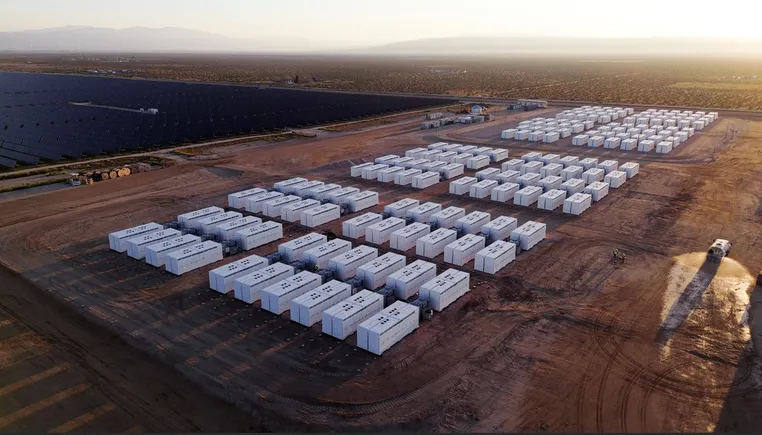
The Northwest Power and Conservation Council released a draft regional power plan on Wednesday, calling for 9 GW of renewables, 2.1 GW of natural gas, and 5.2 GW of energy storage by 2032. The plan, which targets a 50% near-term load increase driven by data centers, estimates $2.3 billion in fixed expenditures and will undergo public hearings before final adoption in late 2026 or early 2027.